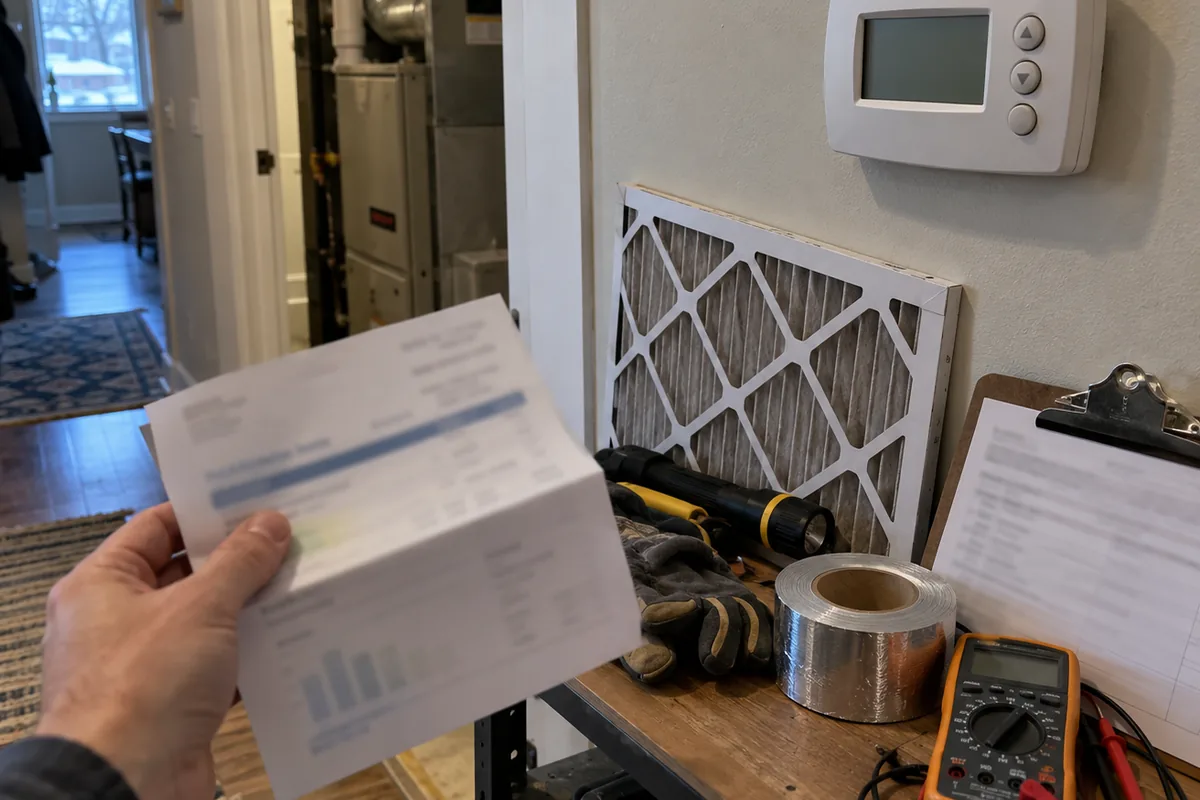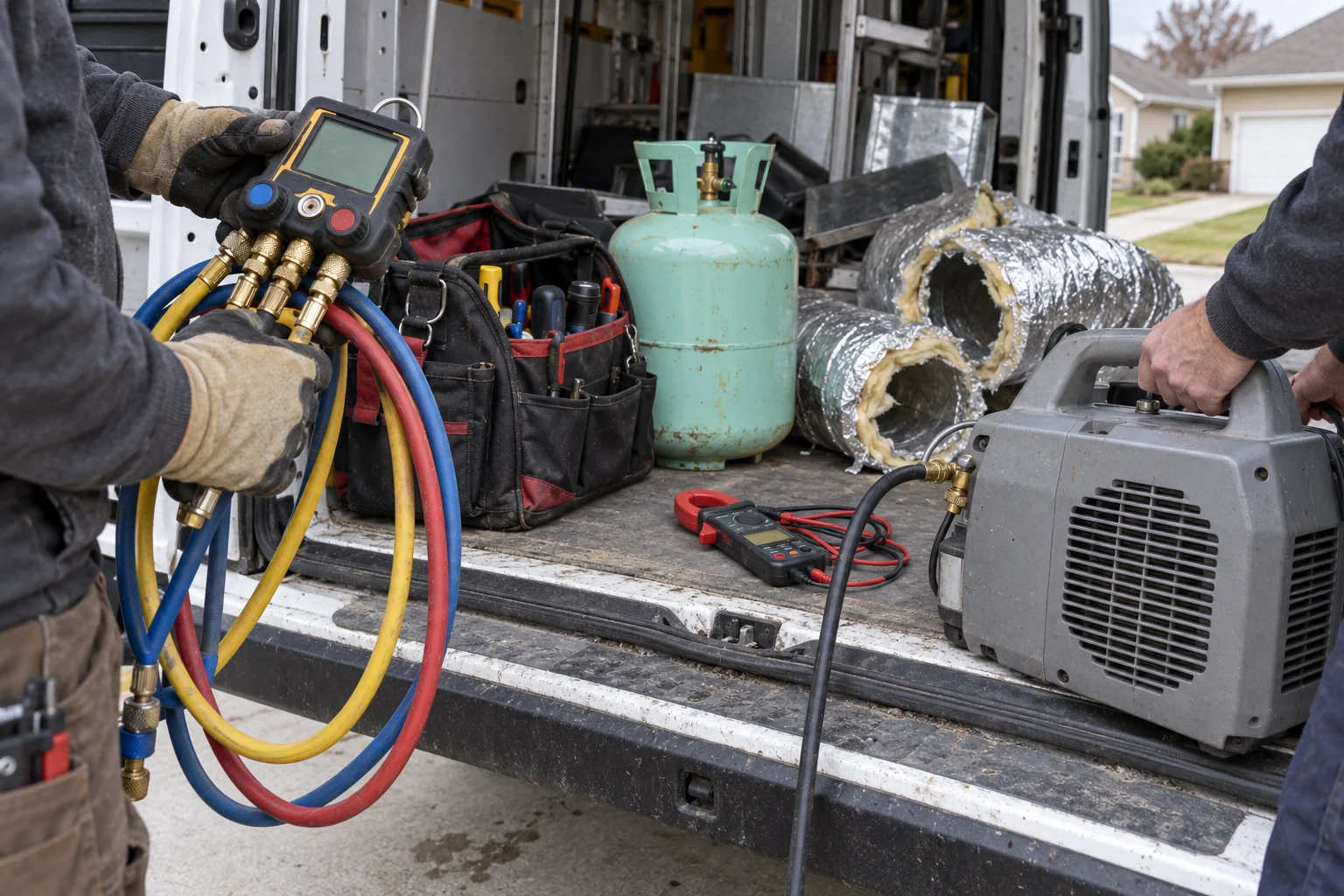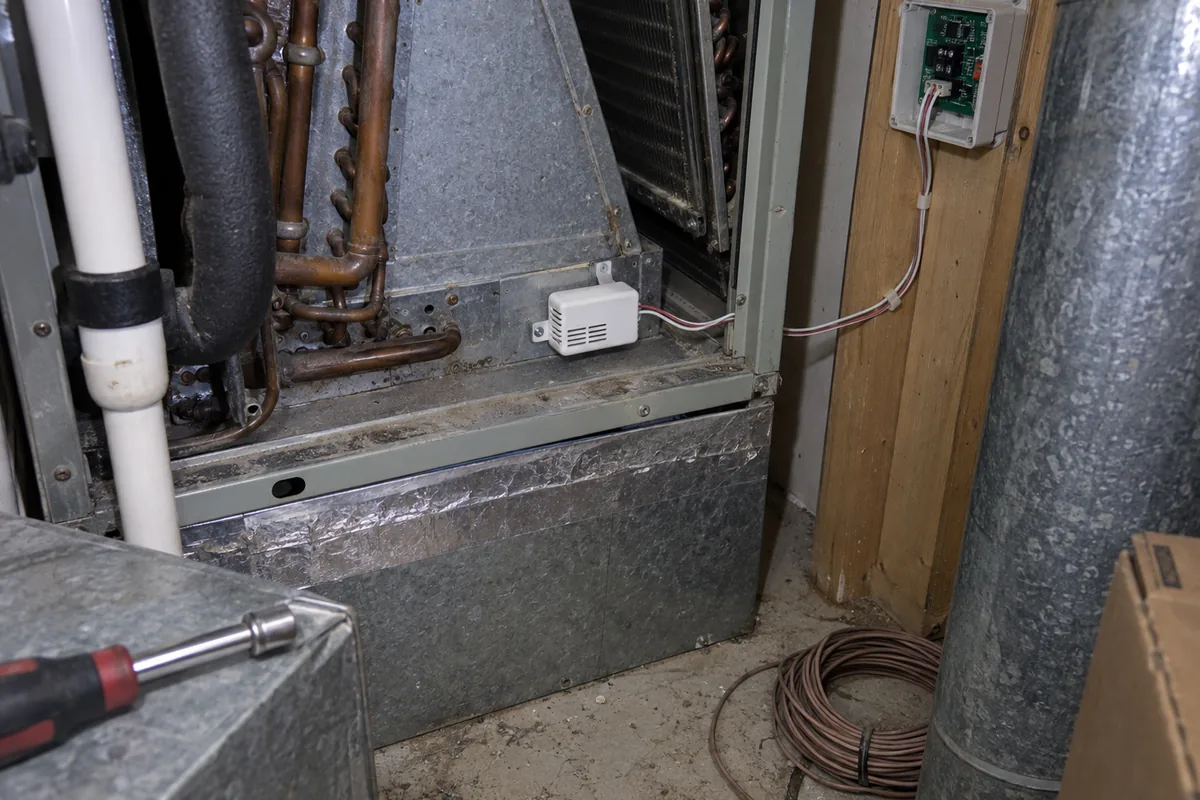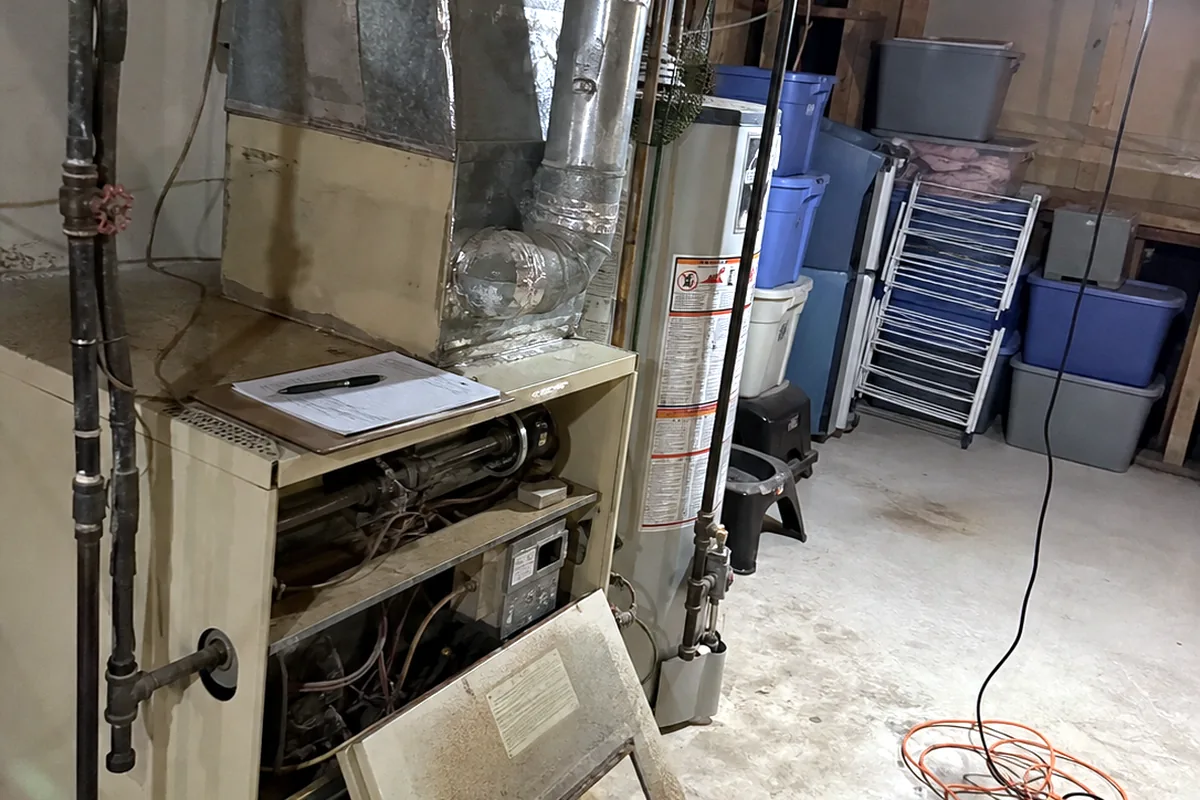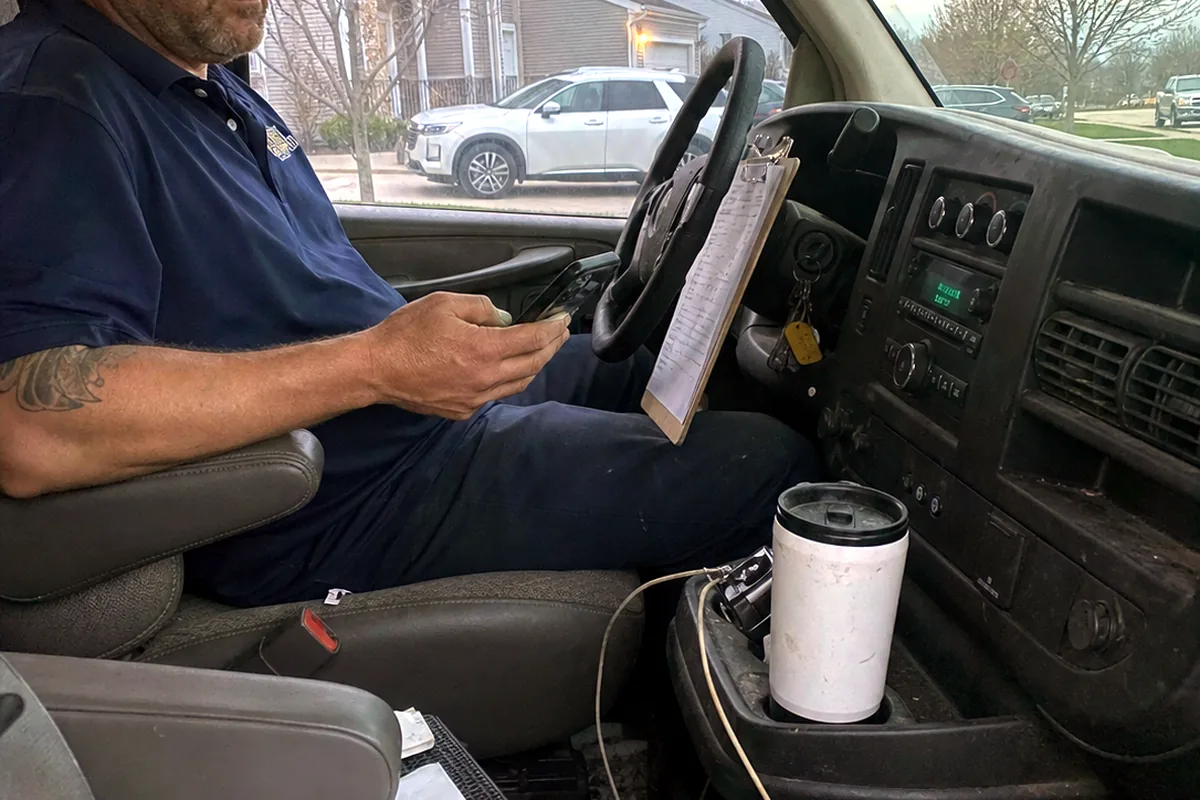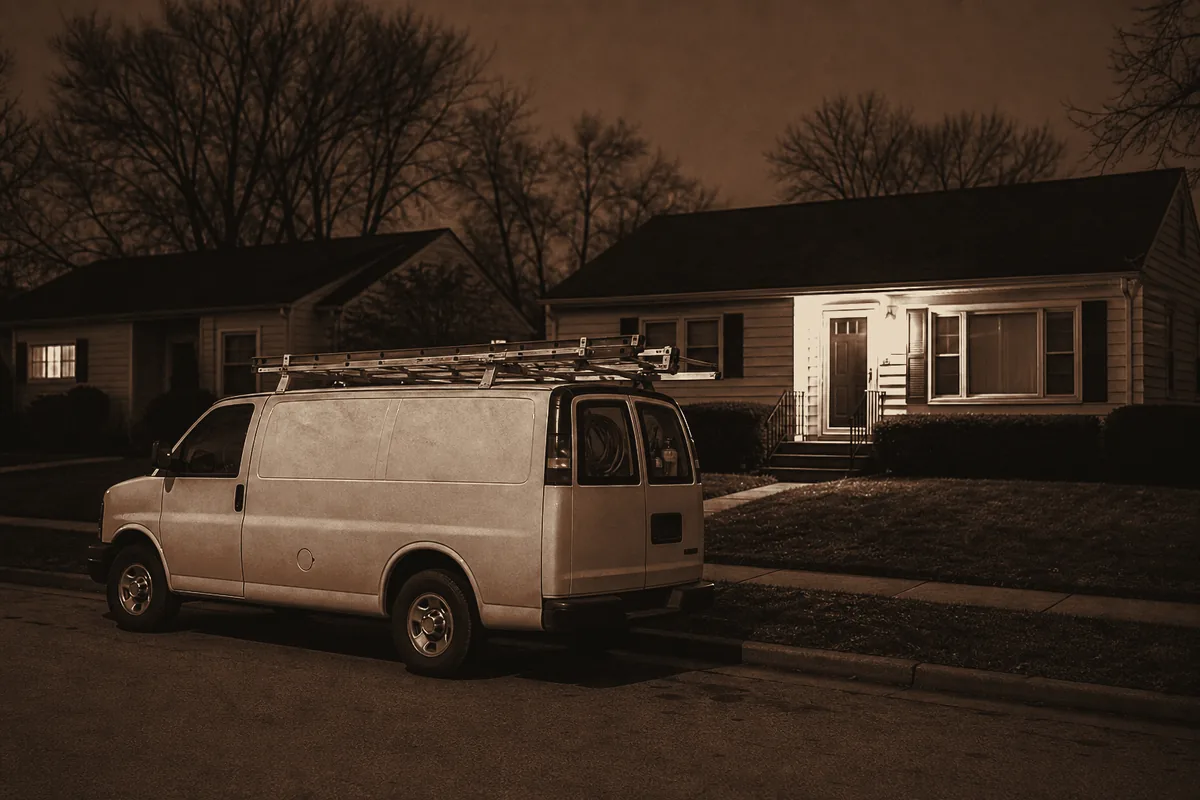
Take-Home Van: 4 Conditions That Decide if the Drive Is Paid
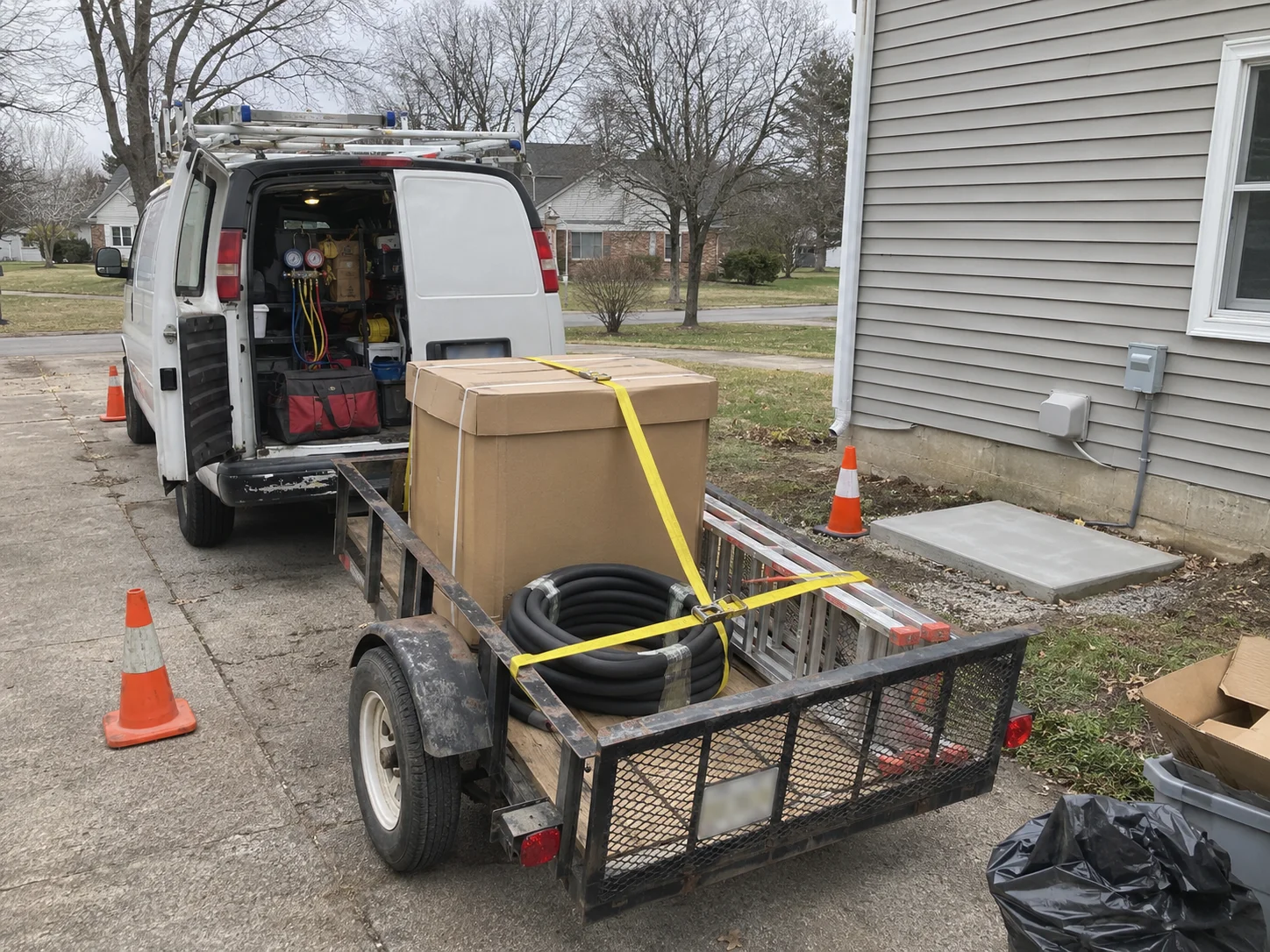
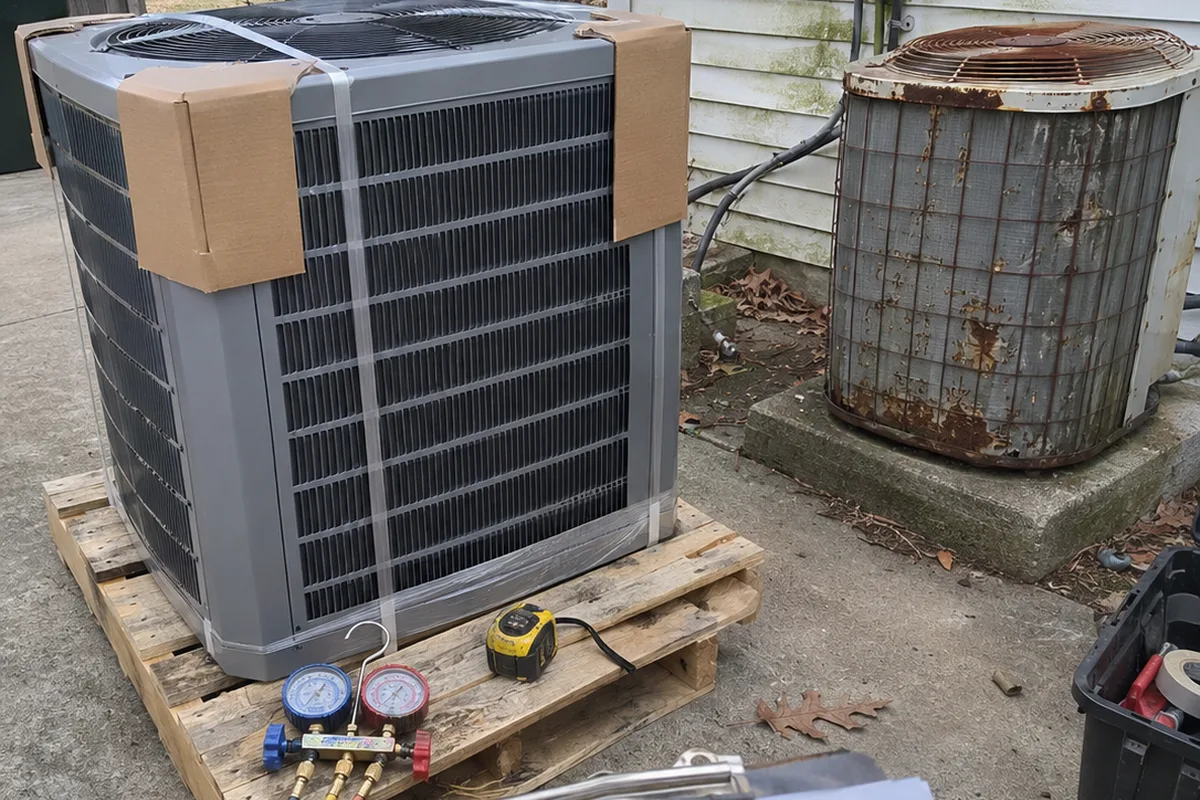
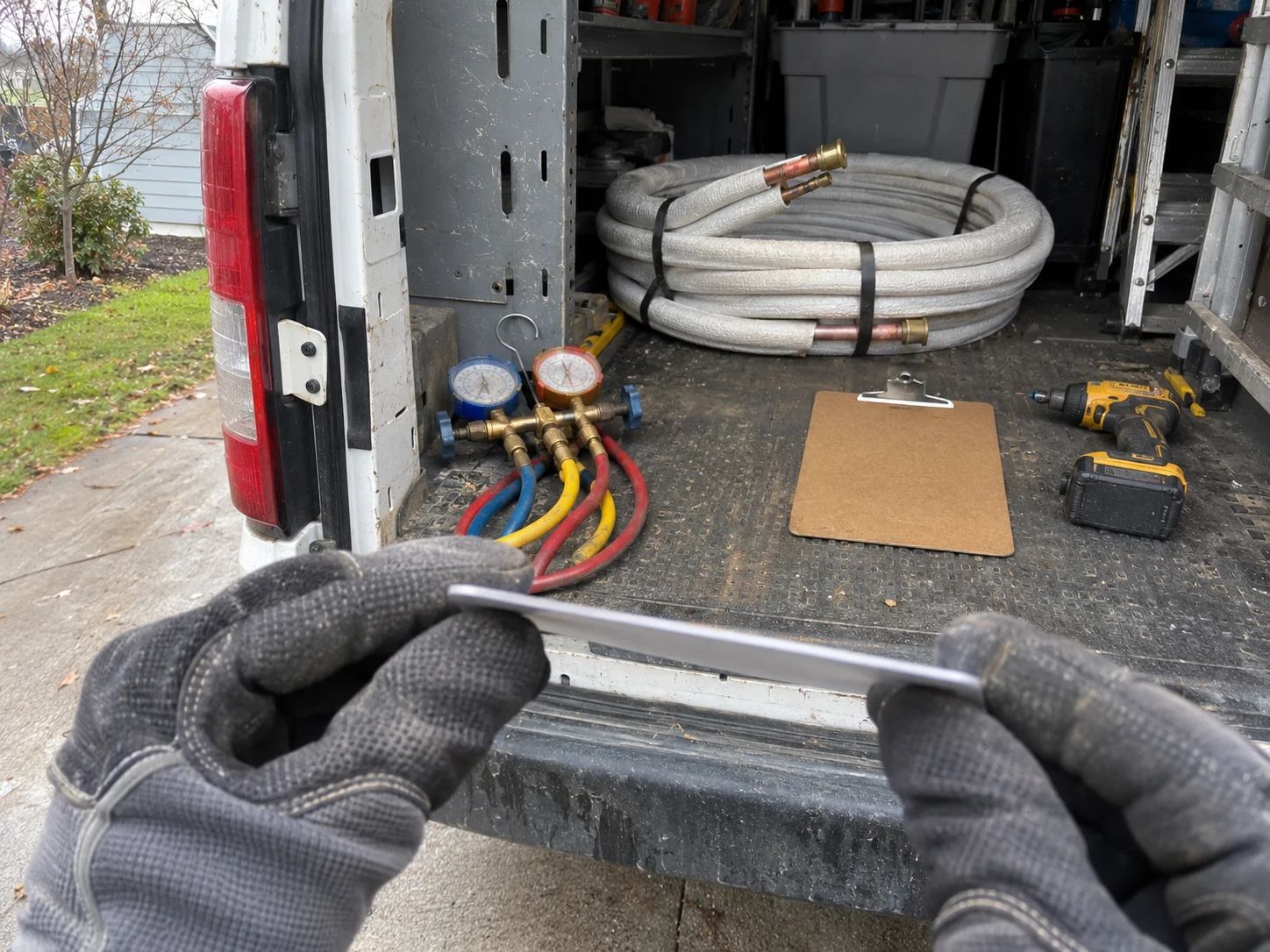
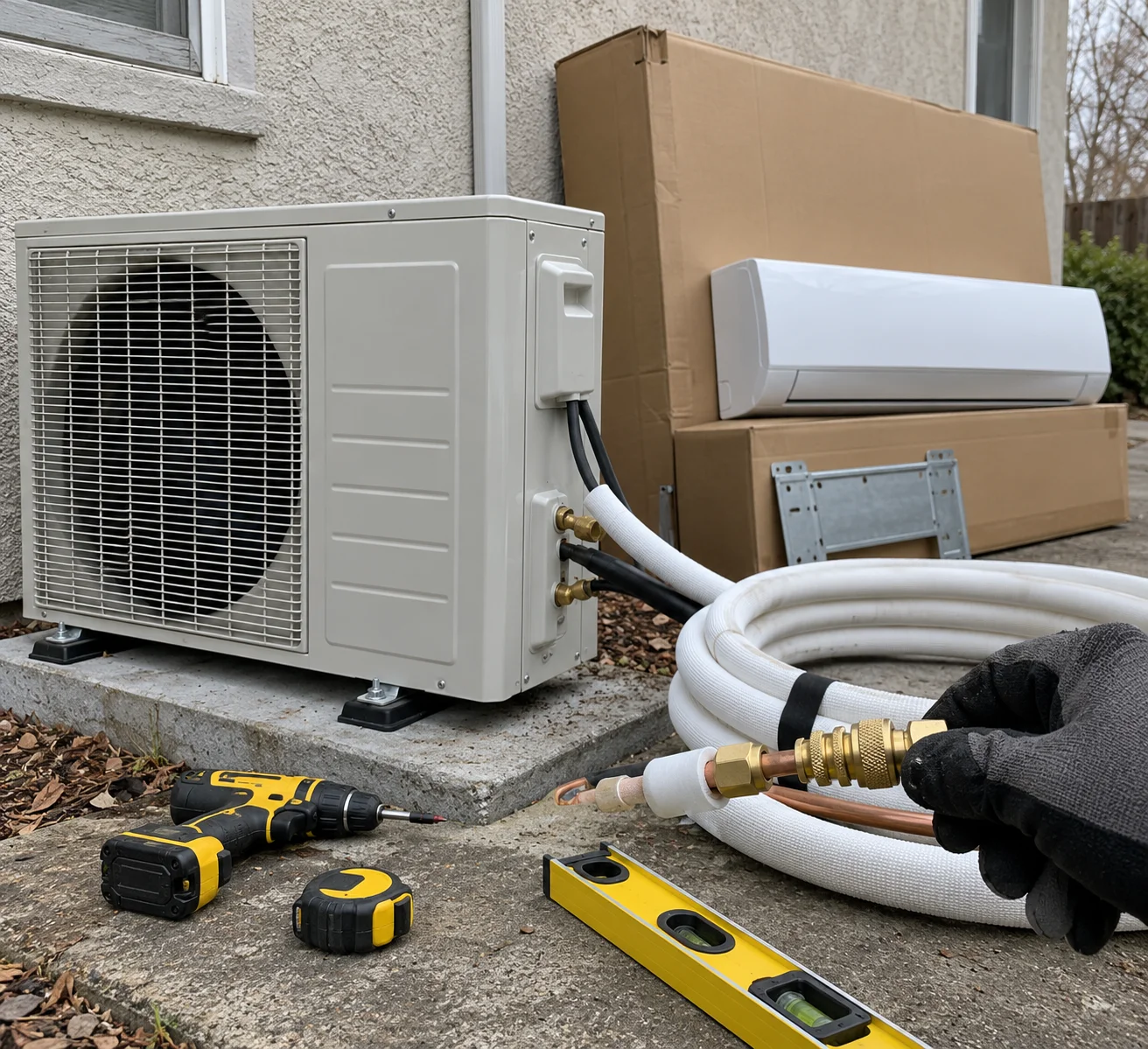
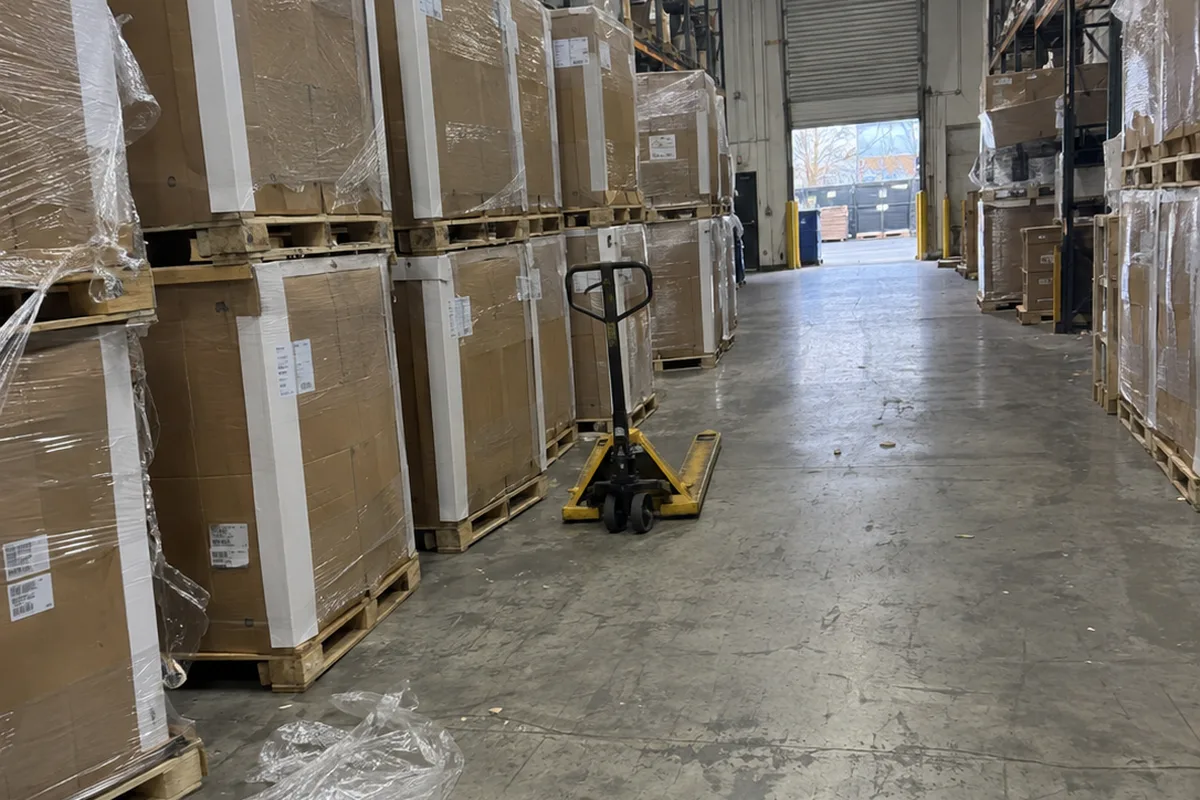
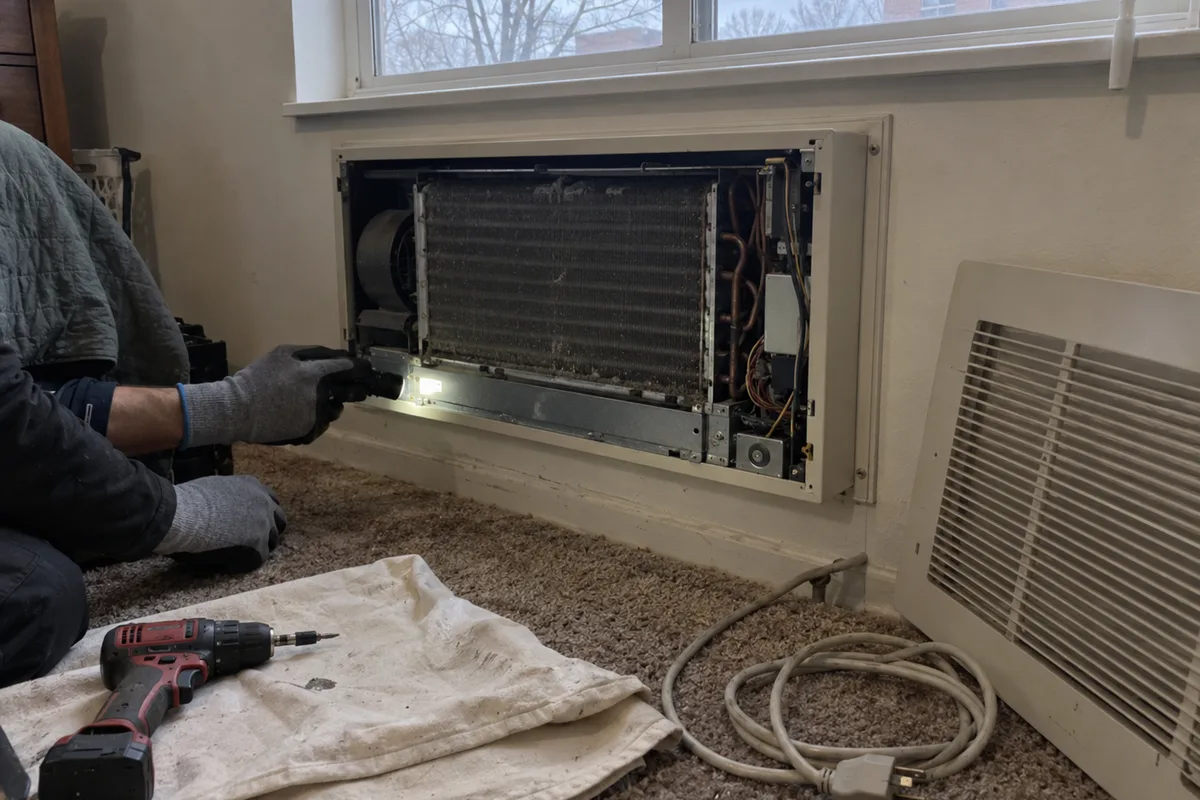
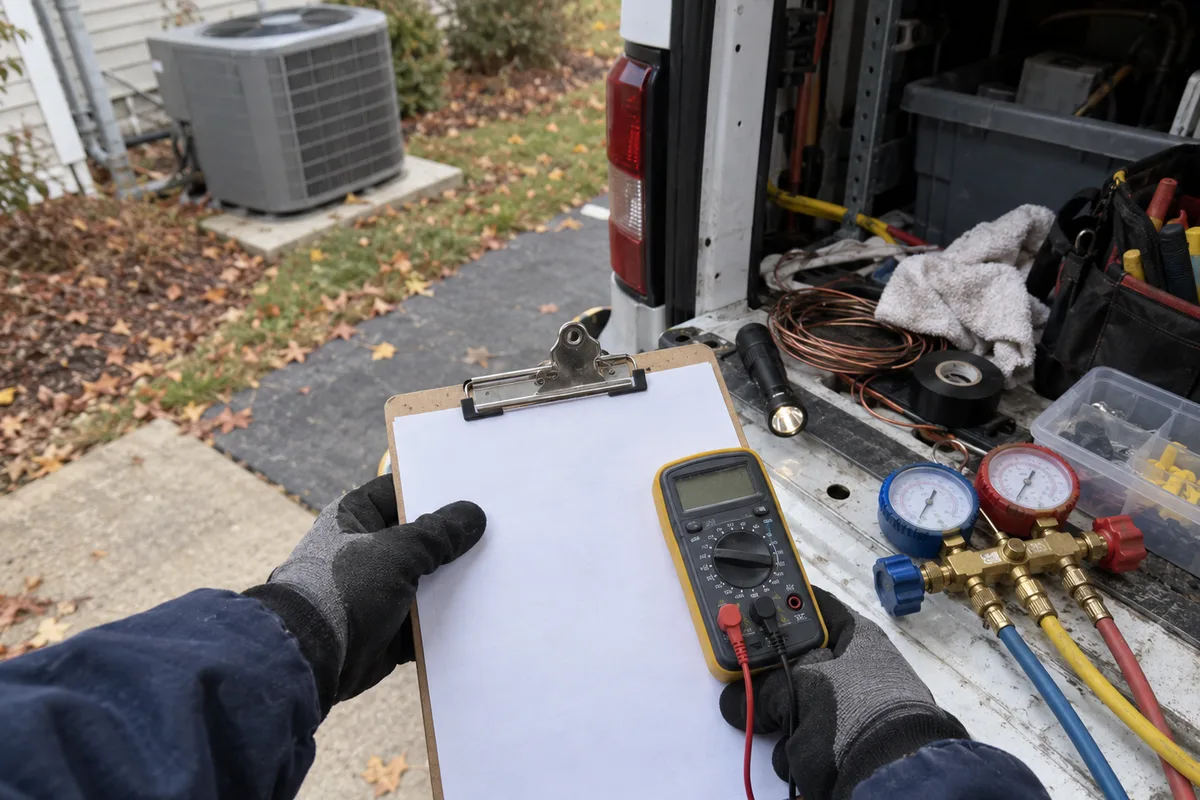
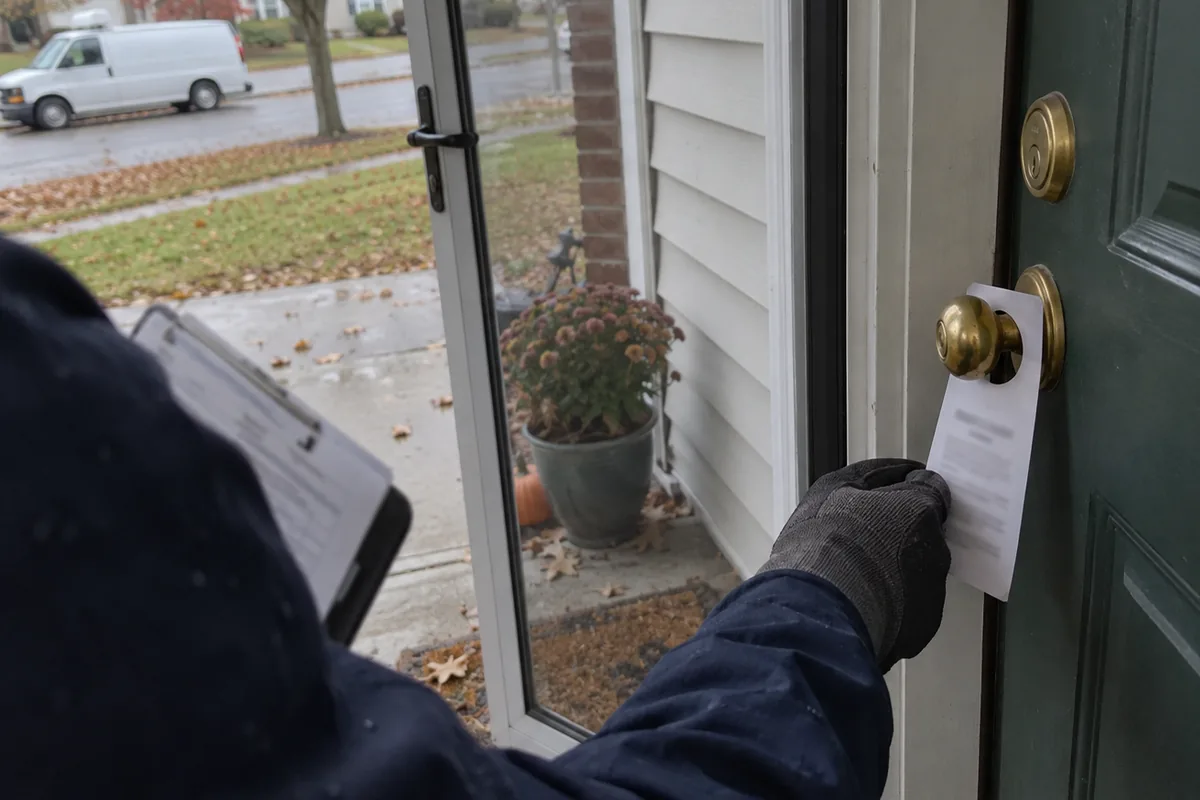
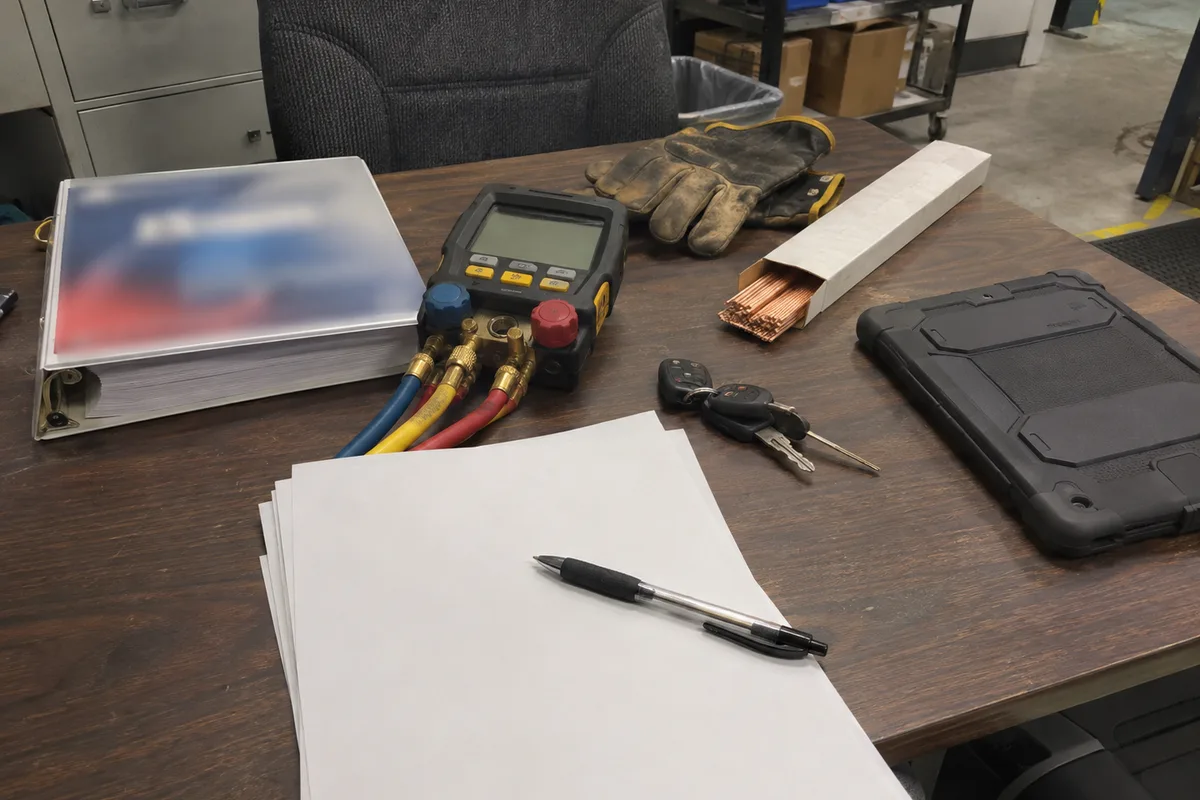
Letting techs drive the van home and go straight to the first call is common. Whether that drive is unpaid depends on four conditions, and three ordinary shop habits break them.
Read it →BLOG
Practical, no-fluff writing for HVAC owners. What missed calls really cost, how to survive the surge, and how to book more of the work that's already calling you.

Letting techs drive the van home and go straight to the first call is common. Whether that drive is unpaid depends on four conditions, and three ordinary shop habits break them.
Read it →
The CFPB calls training repayment clauses a worker trap. The U.S. Chamber calls them a fair way to protect training money. Here is what an HVAC owner should check.
Read it →
The wage is only 70 percent of the bill, and the desk is empty for most of the week. Here is what a full-time CSR really costs a five-truck shop, and what that money buys.
Read it →
Most shops still send the truck for free, and most homeowners say a visit fee would make them hesitate. Here is how each side argues it and how to decide.
Read it →
The van alone looked fine for years. Add the equipment trailer and federal rules measure the pair. Here is the 10,001-pound test and the state-line test for a small HVAC shop.
Read it →
Manufacturer warranties replace the part, not the technician's time. Set the labor answer on the first call, price it by written policy, and offer a labor plan at install.
Read it →
Google says it does not take sides in disputes between businesses and customers. Here is how to reply to a one-star review and when a report is worth sending.
Read it →
Some shops decline, others install with signed terms. Here is what Goodman's policy says, both sides of the argument, and the policy to write before the next call.
Read it →
Connecticut now wants the notice to name each location where a shop monitors employees. Van GPS is a separate question the statute text does not answer.
Read it →
The FTC alleged many paid HomeAdvisor leads were not ready to hire. HomeAdvisor denied deceiving anyone. Here is what both said and what your shop should log.
Read it →
Every option on this list answers calls. The differences are price, HVAC triage, booking depth, and contract terms. Here is the rubric and the evidence.
Read it →
Residential quoting, commercial takeoff, flat-rate price books, and load calculation are different products. This comparison publishes the rubric, current prices, and where each option loses.
Read it →
A customer replies STOP to a tune-up reminder, then your dispatch app texts. Here is what the FCC delayed, what is already in force, and one policy that survives either outcome.
Read it →
Builders say the DOL proposal is clearer. Worker advocates want it withdrawn. State tests do not move either way. Here is how to check your 1099 install crews.
Read it →
A card fee that is $7.50 on a repair is $420 on a $14,000 replacement. Here is what Visa's rules and state laws allow, and how to put it on the estimate.
Read it →
A van that arrives Jan. 5 or a recovery machine still in its box on Dec. 31 may land in next year's return. Here are the 2026 limits and the CPA checklist.
Read it →
A tech on a spiff who works 50 hours is owed more overtime than time and a half on base pay. Here is the math and the payroll check to run this week.
Read it →
A financed replacement can deposit less than the invoice says. Here is how to find your lender fee, see what it costs per job, and choose how to price it.
Read it →
Google charges for contacts, not jobs, and some charges stay on the invoice after the credit. Here is how to divide the right numbers.
Read it →
Nearly half of contractors in an ACHR News survey charge $300 or more a year for a maintenance agreement. Most homeowners said $100 or $200. Here is how to price yours from the cost of one visit.
Read it →
Business groups say noncompetes protect training money. The FTC says blanket noncompetes on techs and CSRs need exacting proof. Here is what to change.
Read it →
Trade press has recommended paying techs for every five-star review. Google's written policy prohibits the bonus, the name-drop and the on-the-spot ask.
Read it →
ENERGY STAR tells homeowners to book cooling checks in spring and heating checks in fall because contractors are less busy. Most shops never turn that into booked work.
Read it →
The California Energy Commission is drafting a rule that would have sellers report every residential AC and water heater sold to a contractor. Distributors say it goes too far. Here is both sides, where it stands, and what a shop should do this season.
Read it →
DOE just recognized another program as Energy Skilled. Here is what that means for a residential HVAC shop, and what it does not do for rebates.
Read it →
A new California law voids HOA bans on code-compliant air conditioners and heat pumps on January 1, 2027. HOA groups fought it over electrical capacity. Here is what changes for your quotes.
Read it →
The missed call is only half the leak. The bigger loss in a small HVAC business is the hours between the call and the callback.
Read it →
Callers asking about an HVAC inspection get a vague answer at a lot of shops. Here is what the visit covers and how to package it.
Read it →
A caller asking what a repair costs is asking before anyone has seen the system. Here is how to give a real answer without guessing.
Read it →
Most shops advertise emergency service and never write down what counts. Here is a three-tier triage for gas, CO, no-heat and routine calls.
Read it →
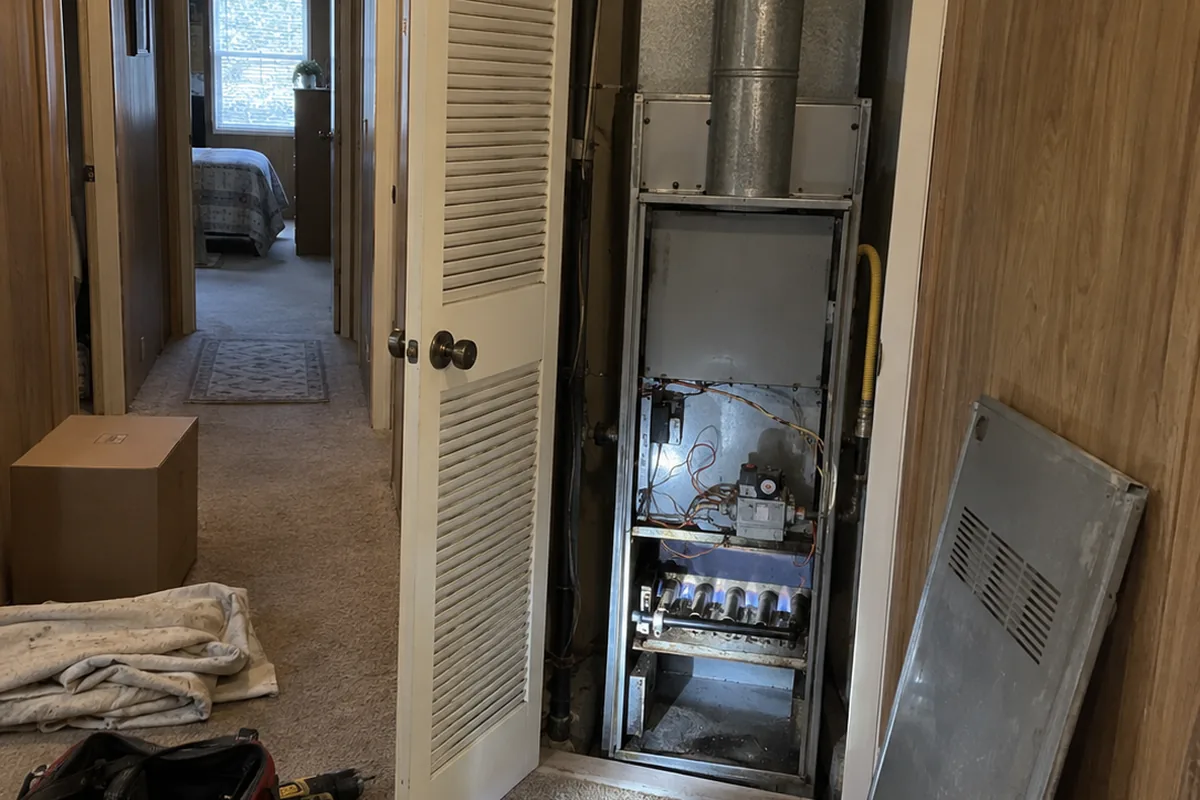
Burner quits in seconds, or runs a few minutes with the blower still going? The timing answer points at the flame sensor or the airflow, and it belongs in the call note.
Read it →
SB 690 stops one kind of private website privacy lawsuit in California starting January 1, 2027. Another kind is still open, and a shop's own website scripts are the place to look.
Read it →
There is no single HVAC deposit percentage that works everywhere. California gives a hard cap, and the rest of the country comes down to your own exposure and your state's rules.
Read it →
DOE wants to rewrite how it sets efficiency standards. HVAC trade groups back the plan, consumer advocates call it an obstacle course, and DOE's own estimate says 30 of 86 rulemakings would not clear the new bar.
Read it →
A property manager calls for your certificate of insurance and needs it today. Know the three core policies, what the certificate does not do, and how to keep the call from going to the next shop.
Read it →
California now caps what a city can charge to permit a heat pump, and the cities that must carry it out say permits were never the real barrier. Here is both sides, the dates that matter, and what a shop should quote this season.
Read it →
The first cold mornings after the clocks go back bring no-heat calls where the furnace is fine and the thermostat is an hour off. Three questions sort them out before a truck rolls.
Read it →
There is no single right wage for an HVAC apprentice, and job board numbers swing by region. Here is a written step scale tied to the BLS benchmark and to milestones, so raises stop being awkward one-off talks.
Read it →
AHRI and HARDI say the market can't meet New York's refrigerant rule. DEC says it's lawful. A narrow injunction covers two refrigerants. What shops should check.
Read it →
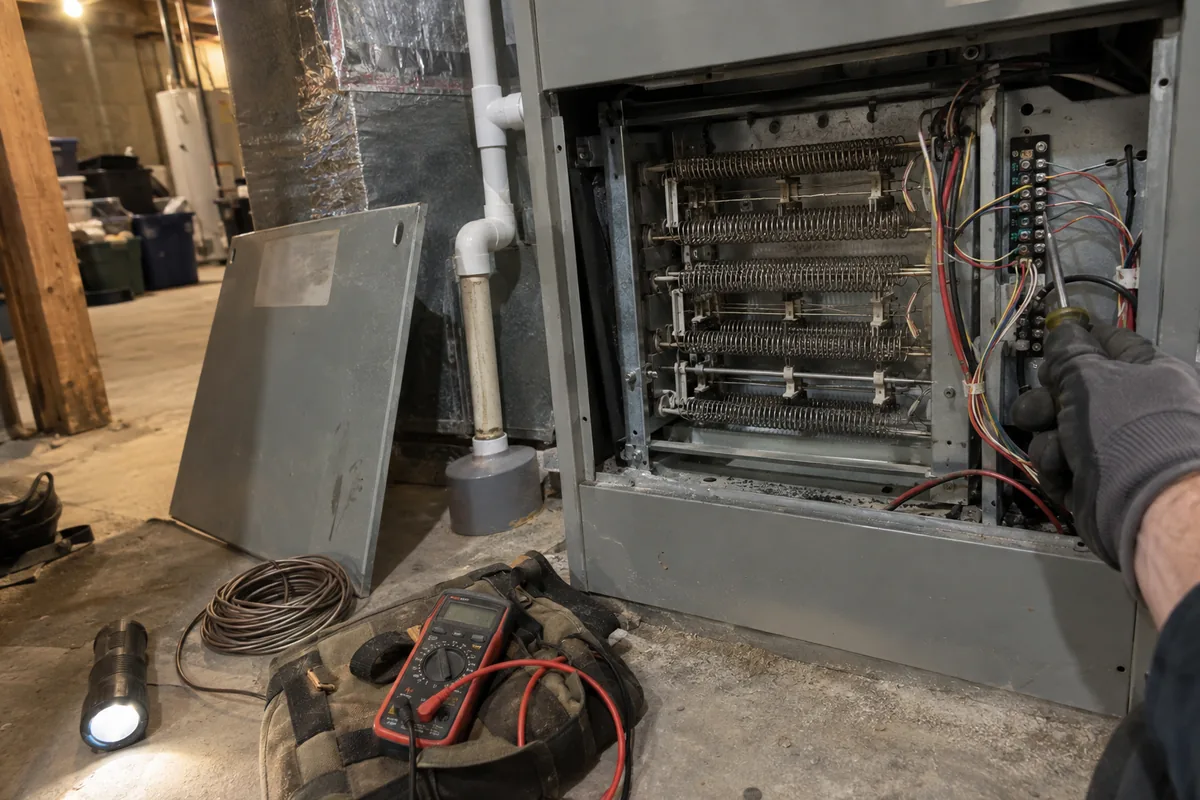
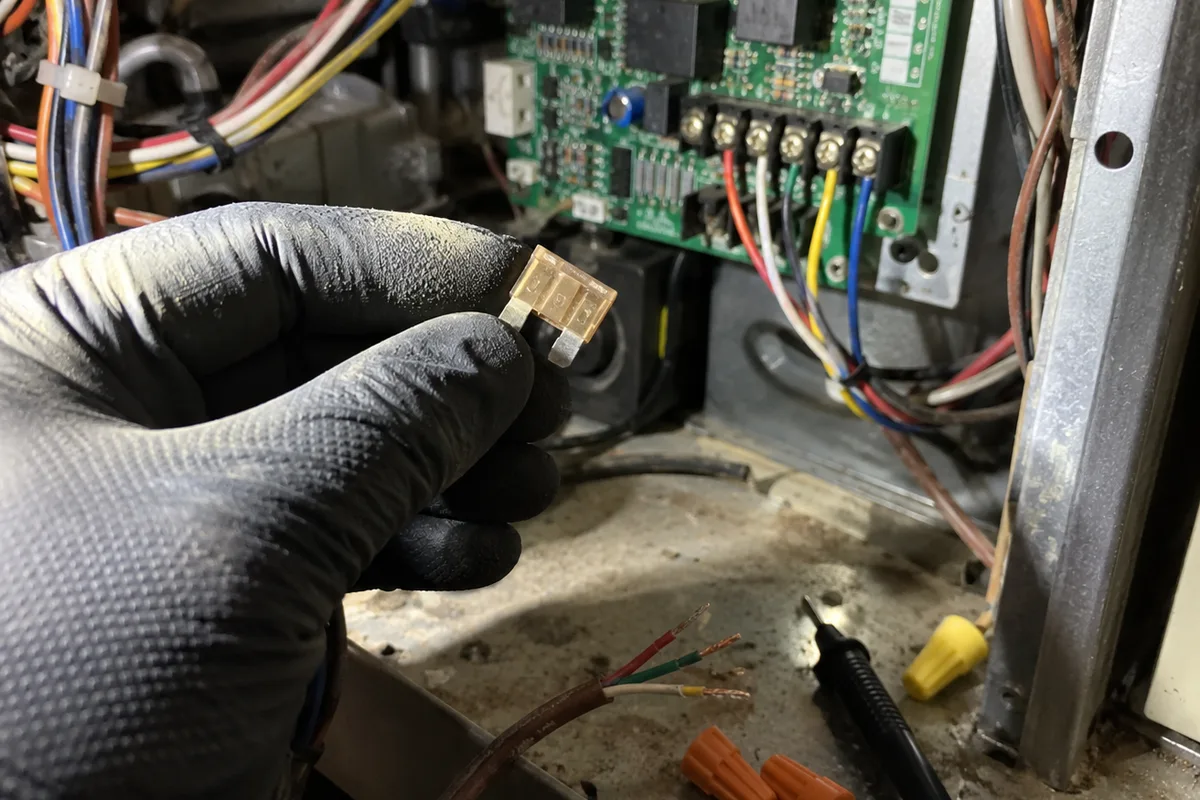
The 3 amp fuse on a furnace board is there to protect the transformer from a short. Swap the fuse or the board without finding that short and the callback comes in the first cold week. Here is how to isolate it.
Read it →
The Bay Area zero-NOx water heater deadline may move to 2028, but the Board has not voted. Both sides of the fight, and how to quote until Nov. 4.
Read it →
The caller is not describing a broken system. They are describing a surprising number. Here is how to answer it before a truck rolls.
Read it →
Most first-of-the-season burning smell calls are dust burning off the burners. Here is how a dispatcher sorts the dust call from the one that needs 911 or the gas utility.
Read it →
Contractors split on home warranty networks: a lead source to some, a margin trap to others. Run the job math, cap the volume, and track each provider.
Read it →
Shop owners hear that apprentices are exempt from 608. The exemption is narrower than the shorthand, and the regulation puts responsibility on both the tech and the helper.
Read it →
A DIY mini-split seller says the system needs no specialized refrigerant handling. EPA's own FAQ reads differently. Neither answers the other, and the shop's phone gets the fallout.
Read it →
Coastal shops in Climate Zone 7 never booked a HERS rater for charge verification on a change-out. For permits filed on or after January 1, 2026, a heat pump replacement needs one, and the fault indicator display no longer counts.
Read it →
Contractors and homeowners say the big HVAC manufacturers coordinated price increases since 2020. The manufacturers say the increases were costs, not a conspiracy. The court has not ruled, and your replacement quotes are already carrying the question.
Read it →
Cold weather brings carbon monoxide alarm calls. Here is a short dispatcher script that puts get outside and call 911 ahead of the address and the appointment.
Read it →
The first damp cold snap brings 'my heat pump is smoking' calls. Most are defrost. A few are not, and they sound the same for the first ten seconds.
Read it →
The flat rate versus time and materials argument never settled because the two sides are arguing about different things: how the customer is priced, and how the technician is paid.
Read it →
Homeowners still call asking for the $8,000 heat pump rebate. HEEHRA is not taking new reservations in California. Here is one answer for the phone, what to pull from open quotes, and the waitlist rule that kills a rebate if you install early.
Read it →
Private-equity-backed members were a third of Nexstar's membership and half its revenue. Nexstar cut them anyway. Here is the critics' case, the sellers' case, and what an independent shop should do this season.
Read it →
The holiday phone usually gets assigned by group text the week of. Put the rotation, the emergency definition, the pay rule and the plan for non-urgent calls on one page before November 26.
Read it →
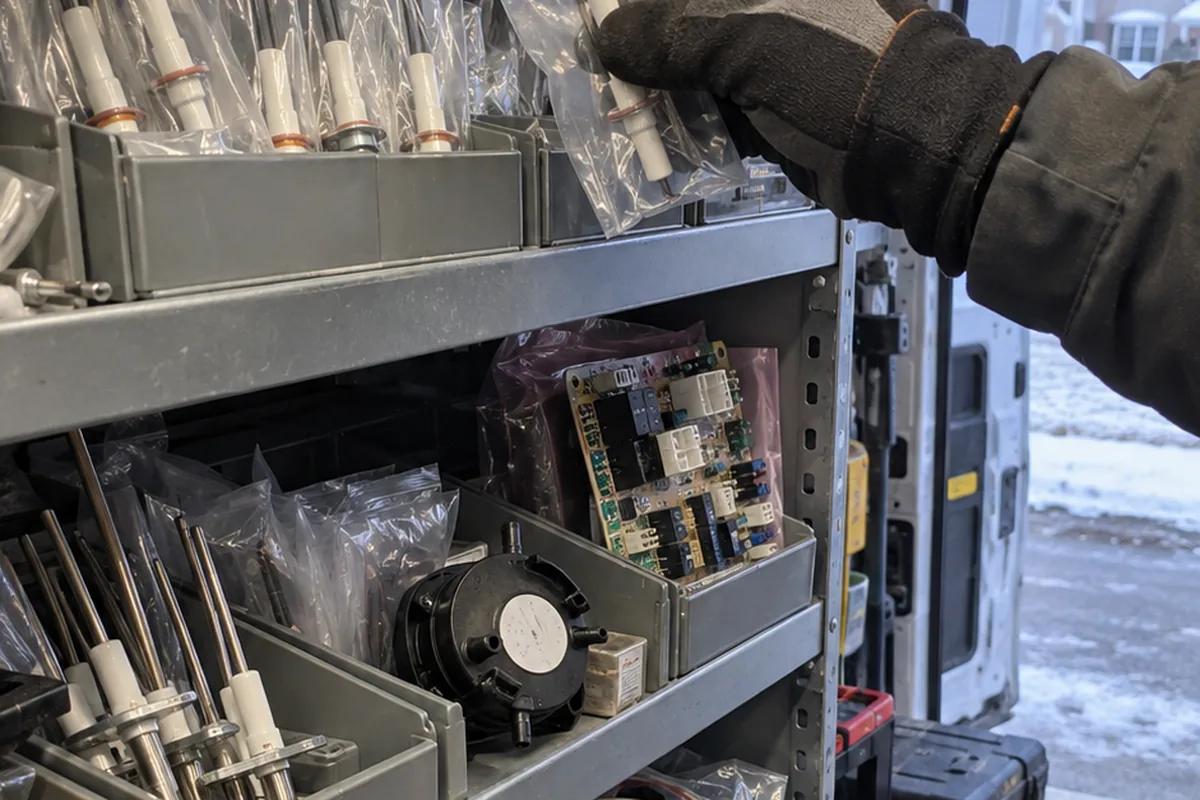
The first cold week empties the parts shelf. Map the furnace ignition sequence to the parts that stop it, and stock the van so a no-heat call needs one trip.
Read it →
The cancel request for a maintenance plan usually comes by phone, often after hours. Since July 2025, California law says what the office has to do with it, and how fast.
Read it →
Transferring to the one technician who speaks Spanish is not a phone system. The Census numbers show why the whole call path has to work in the caller's language.
Read it →
AHRI's August numbers read as growth against 2025 and as a shortfall against 2024. A shipment is not an install, and there is no state data, so your own replacement-call count is the number for your territory.
Read it →
Three CPSC recalls on Amana and Friedrich room units since June all run through the manufacturer as a refund or replacement. Get the model number on the phone, tell listed owners to stop using the unit, and quote the replacement.
Read it →
A late summer replacement quote often gets accepted on the first cold morning. By then one or two rounds of manufacturer price letters have landed. Re-check cost before you confirm.
Read it →
When wildfire smoke hits, filter questions flood the phone. EPA recommends MERV 13 or the highest rating the system can handle, and that limit belongs in your script.
Read it →
Disputes over a diagnostic fee rarely start with the amount. They start with the customer hearing it for the first time at the door.
Read it →
The tune-up booked in September is the one that goes empty in October. Usually the customer tried to move it the night before and nobody picked up.
Read it →
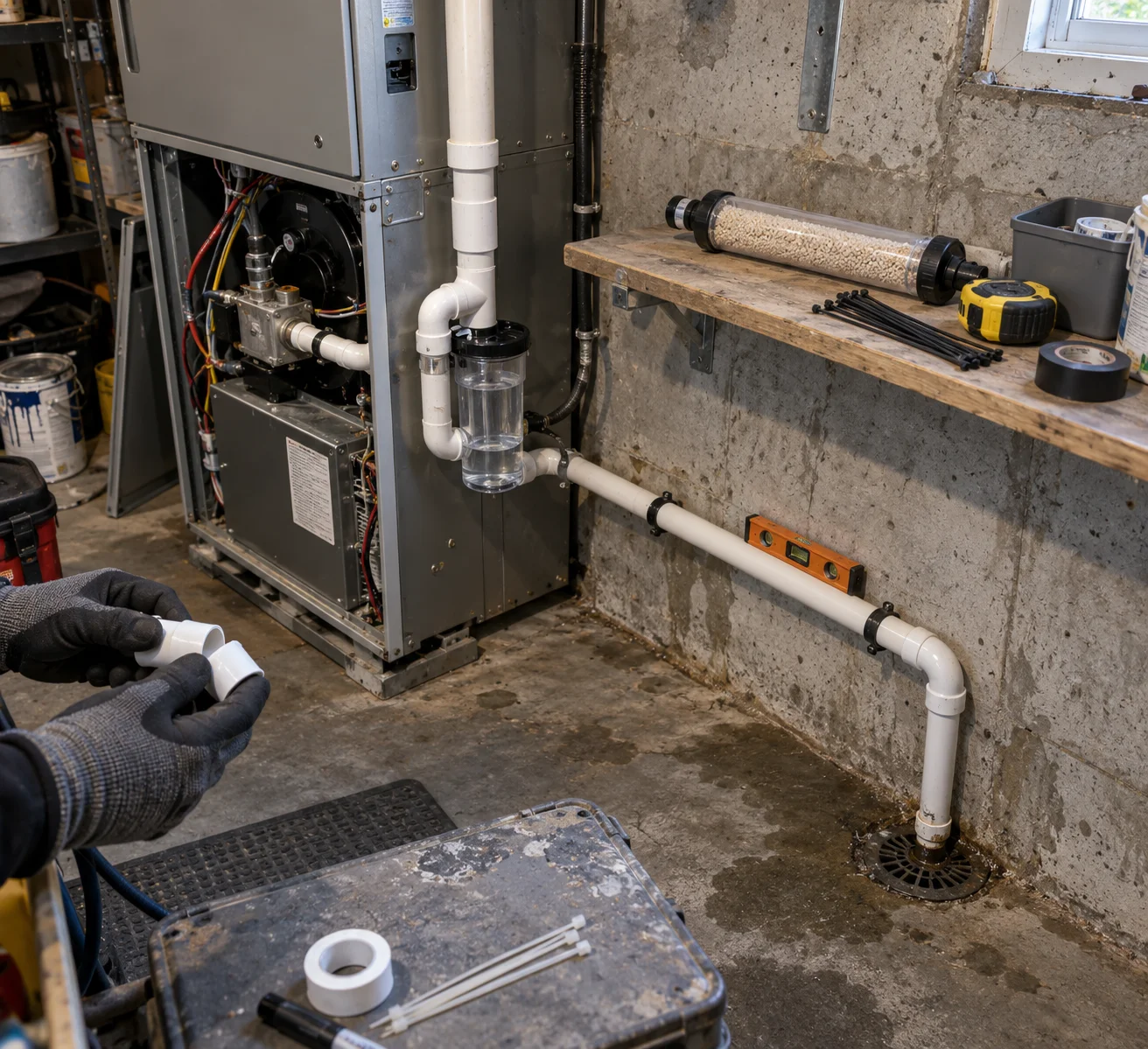
The old 80 percent furnace had no condensate line. The new one needs a drain that is corrosion resistant, sloped, marked, and landed somewhere approved.
Read it →
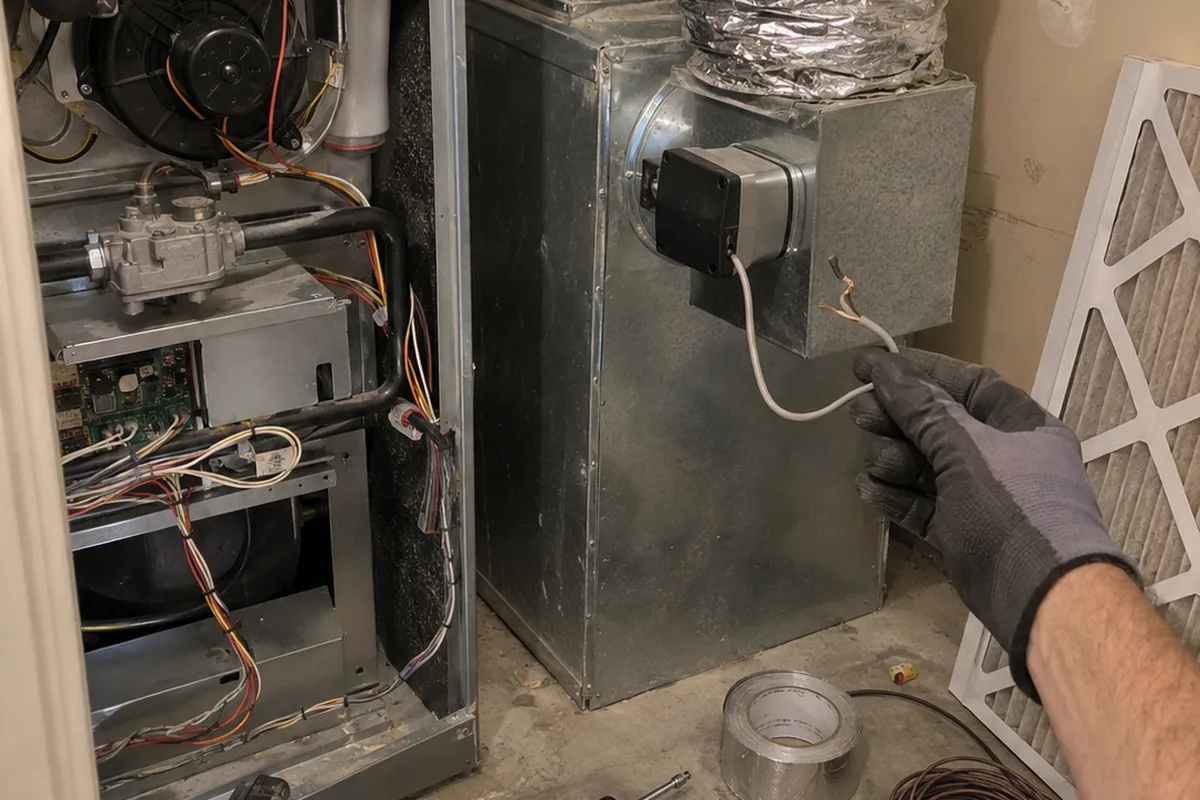
A 6 inch duct on the return box with a little damper is often the code-required ventilation system. Leave its wire off the new furnace and the call comes back weeks later as a stuffy house.
Read it →
The old vent can look perfect and still fail the new furnace manual. Read the print line before the quote goes out.
Read it →
The attic stopped being the dividing line in 2021. If the quote template still prices R-6 for crawl space and garage runs, the gap shows up at inspection.
Read it →
The homeowner asks about the big new hood. The answer depends on the water heater on the chimney, the damper in the duct, and which code edition your town adopted.
Read it →
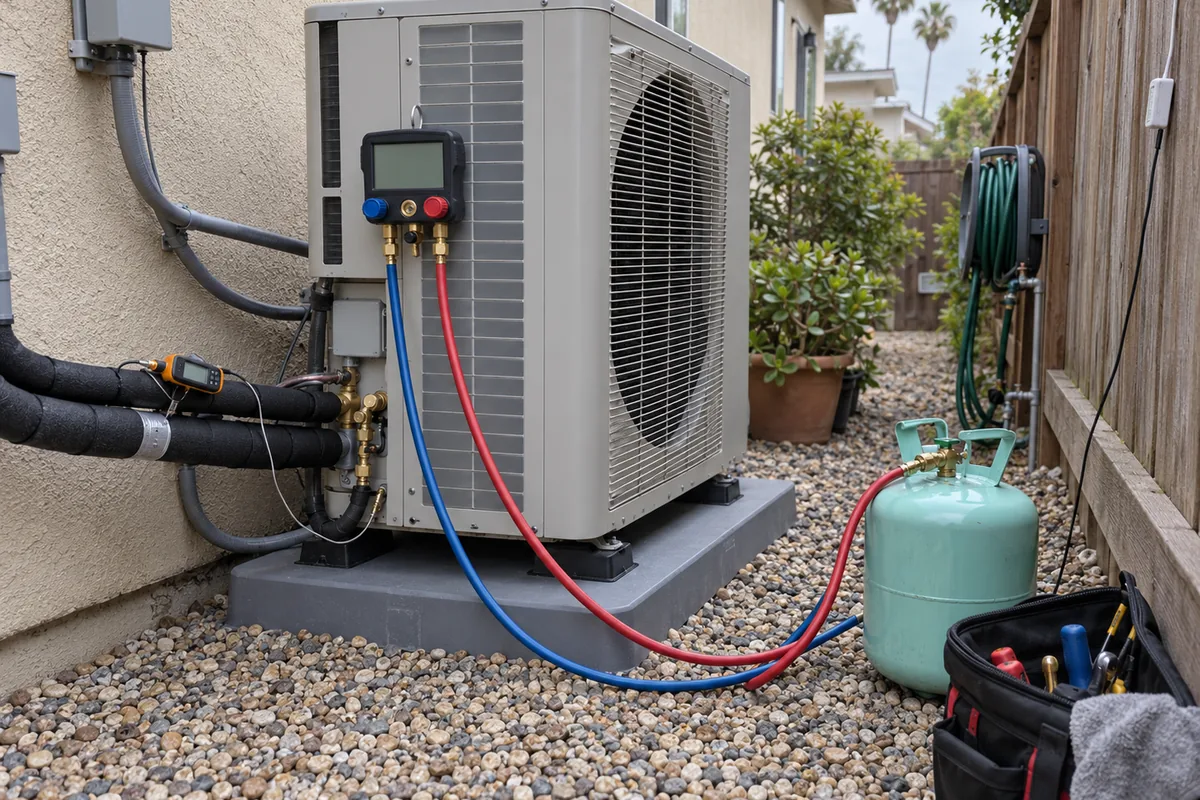
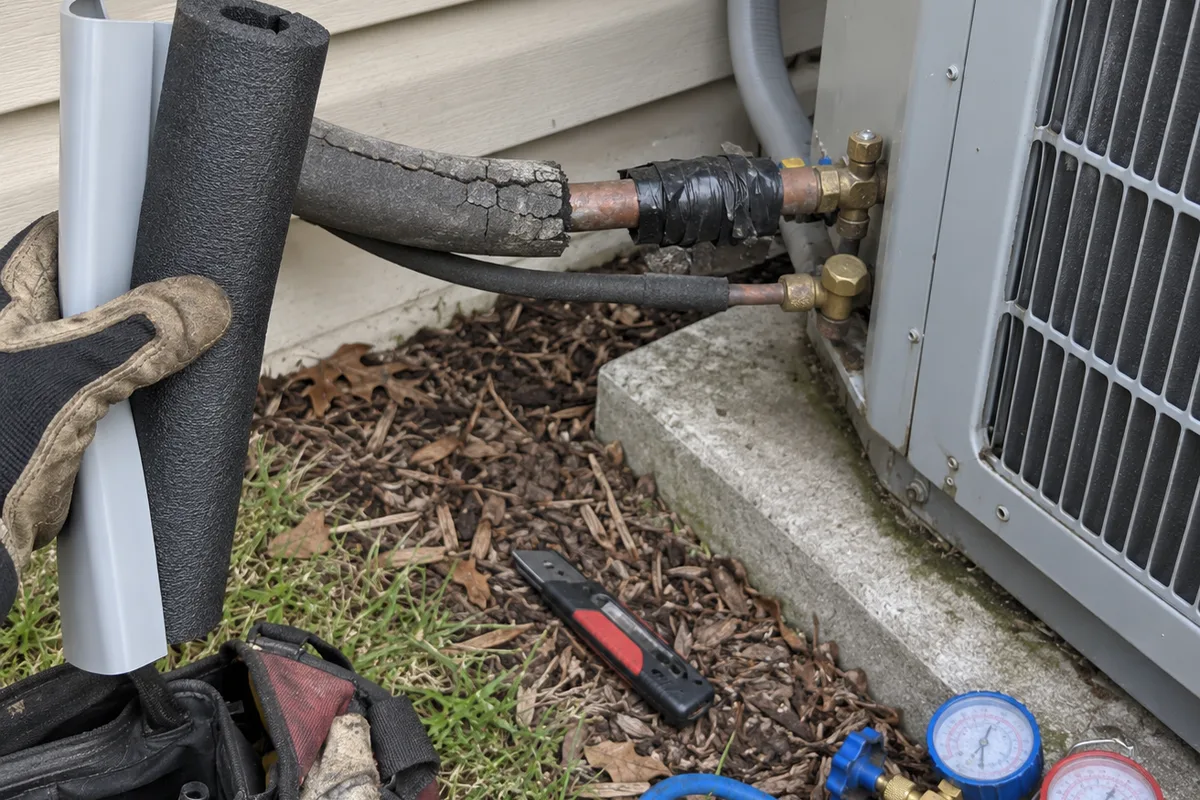
The first few feet of suction line at the condenser is where fall tune-ups find chalky foam, open braze gaps, and a spiral of electrical tape. The 2024 code text names that tape as the wrong fix.
Read it →
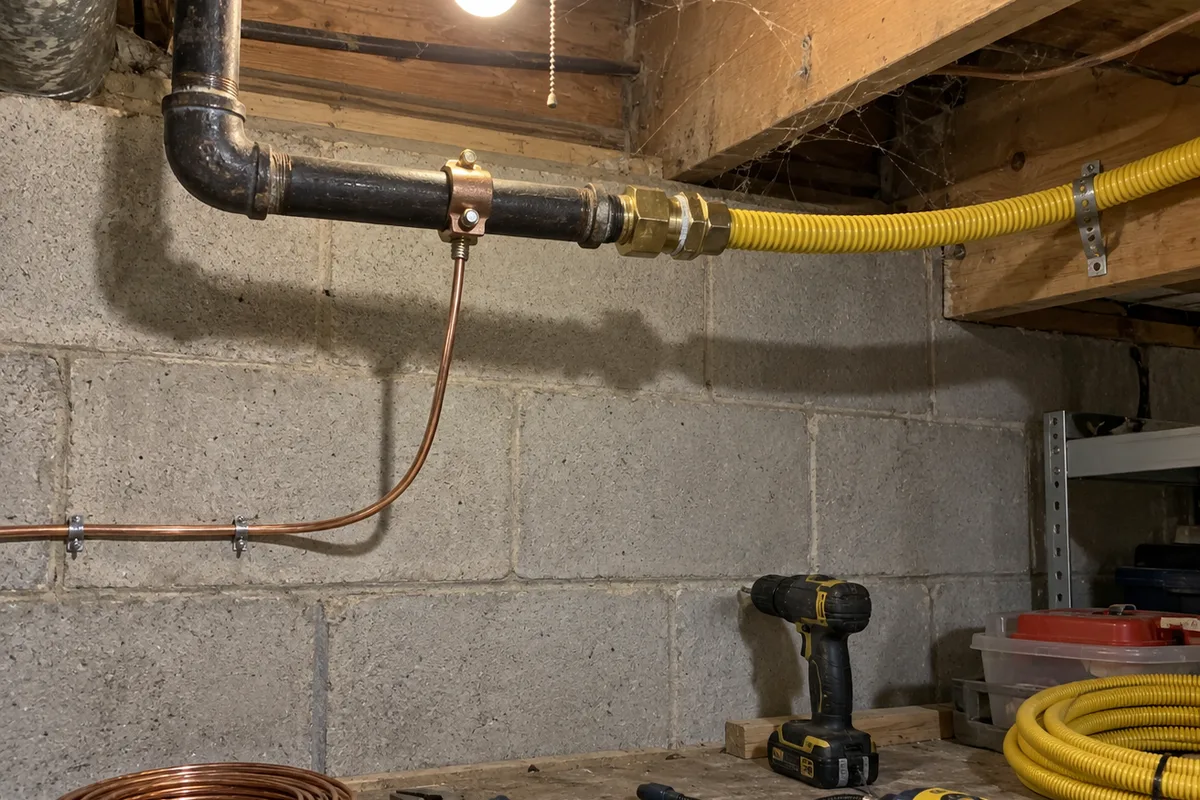
Steel pipe at the meter, a grounded furnace, and a yellow CSST run to the dryer nobody bonded. That one segment puts the whole system under a 6 AWG, 75 foot bonding rule.
Read it →
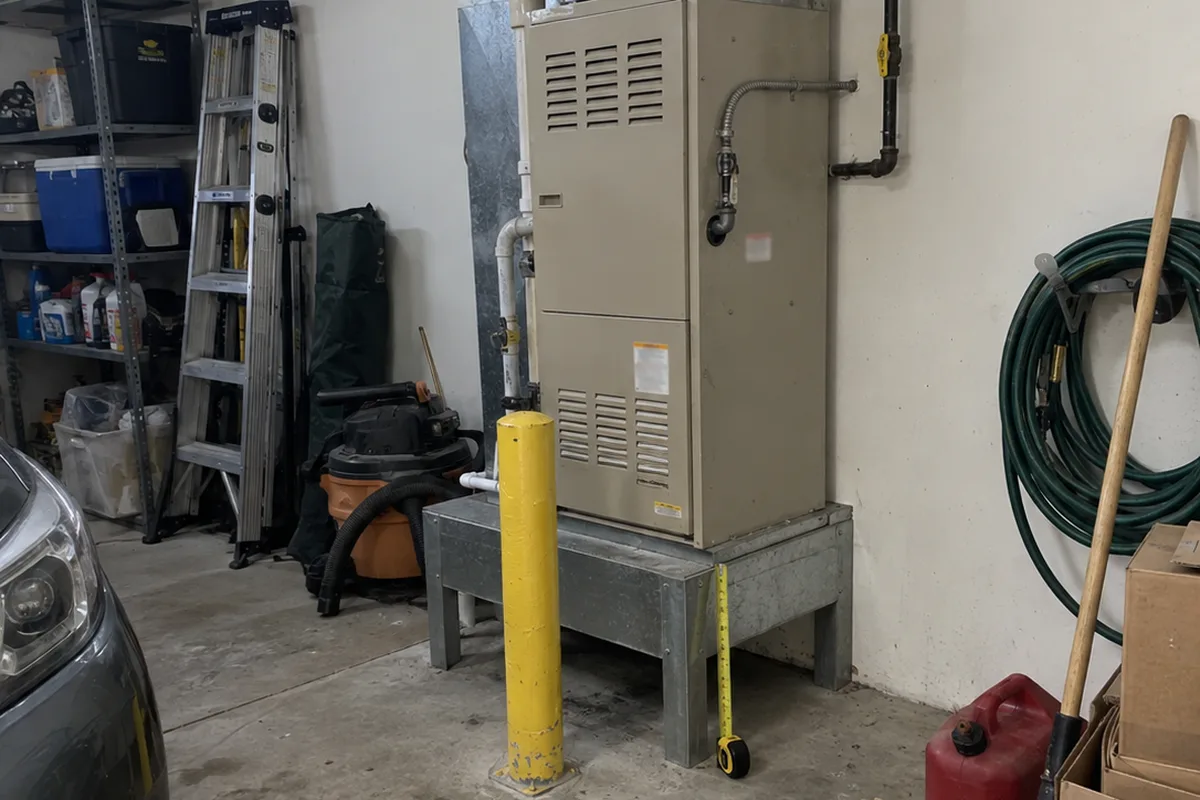
The old furnace sat on the slab for decades. The replacement has to put its burners and igniter 18 inches up, and clear the vehicle impact rule too, so the stand belongs in the quote.
Read it →
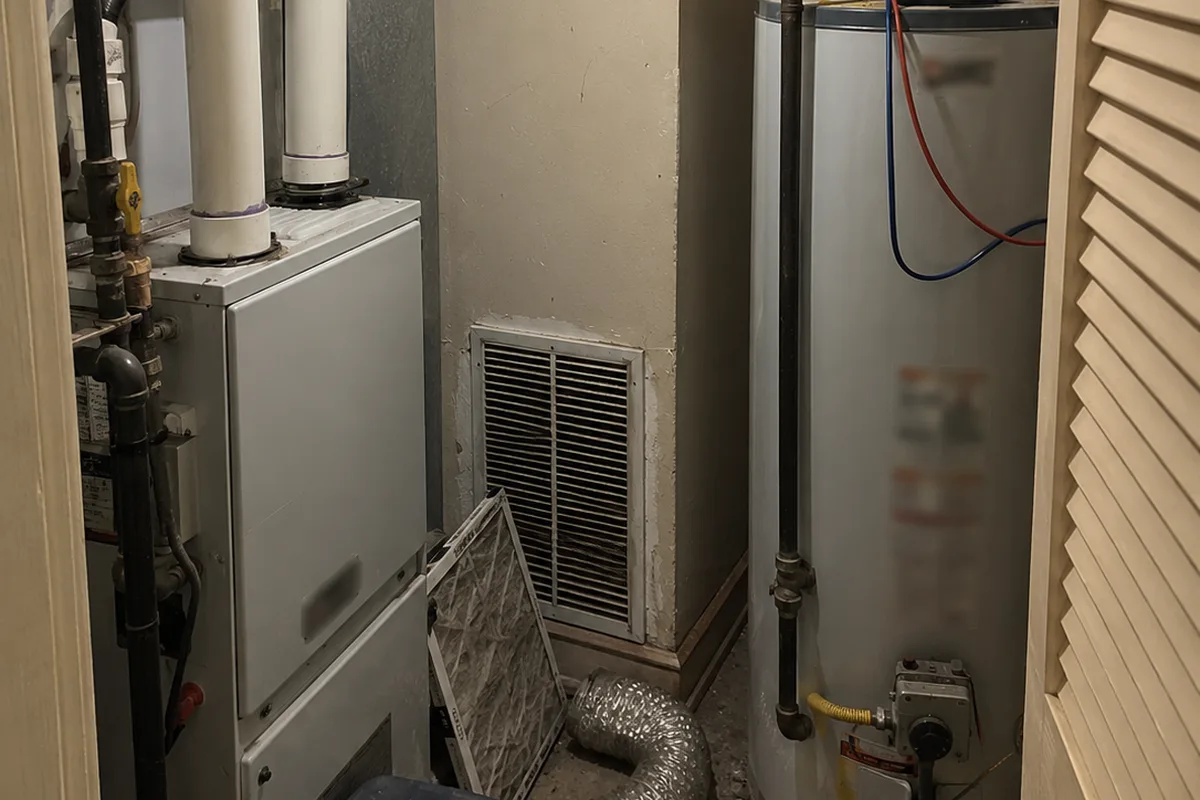
The return the last installer cut into the furnace closet looks like a reconnect. Under the 2024 IRC it is a ten-item checklist, and an atmospheric water heater three feet away fails the item that matters most.
Read it →
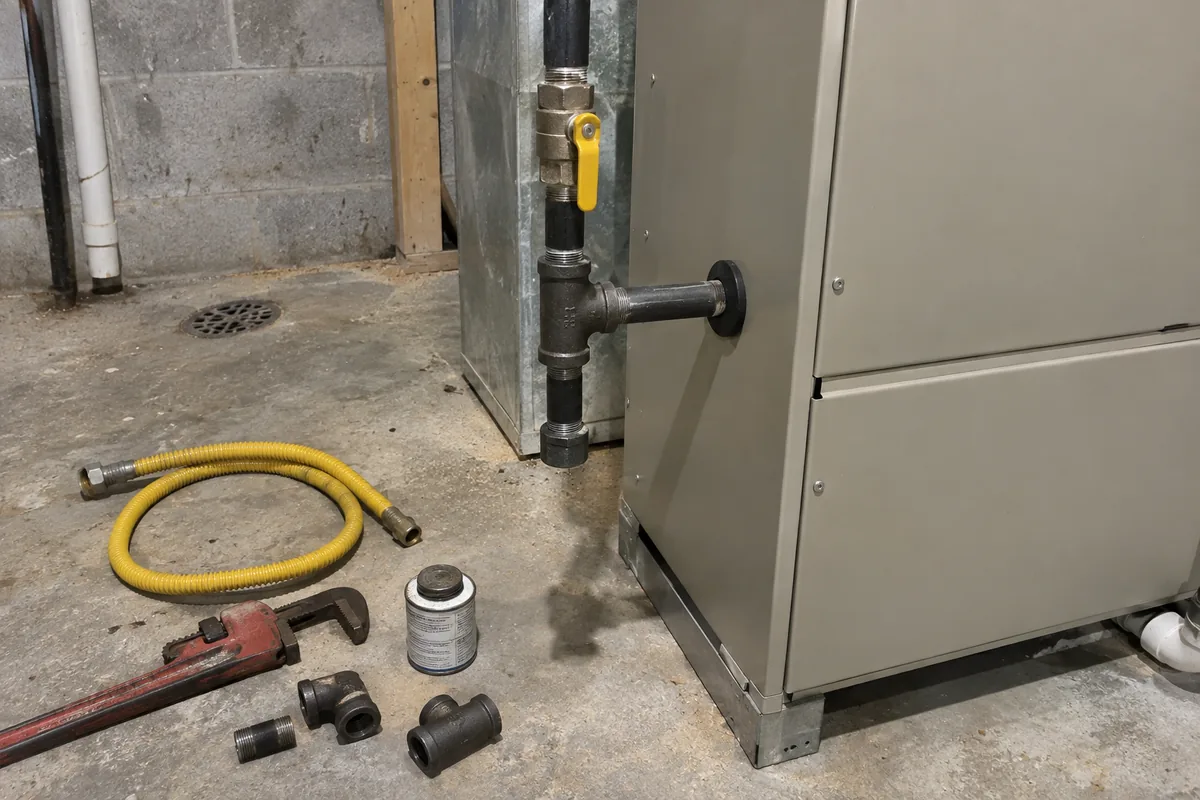
A new furnace often gets hooked to the old gas connection as found. IFGC 408.4, 409.5.1, and 411.1.3 are short, specific, and easy for an inspector to check at final, so the shutoff, trap, and connector belong on the change-out survey and the estimate.
Read it →
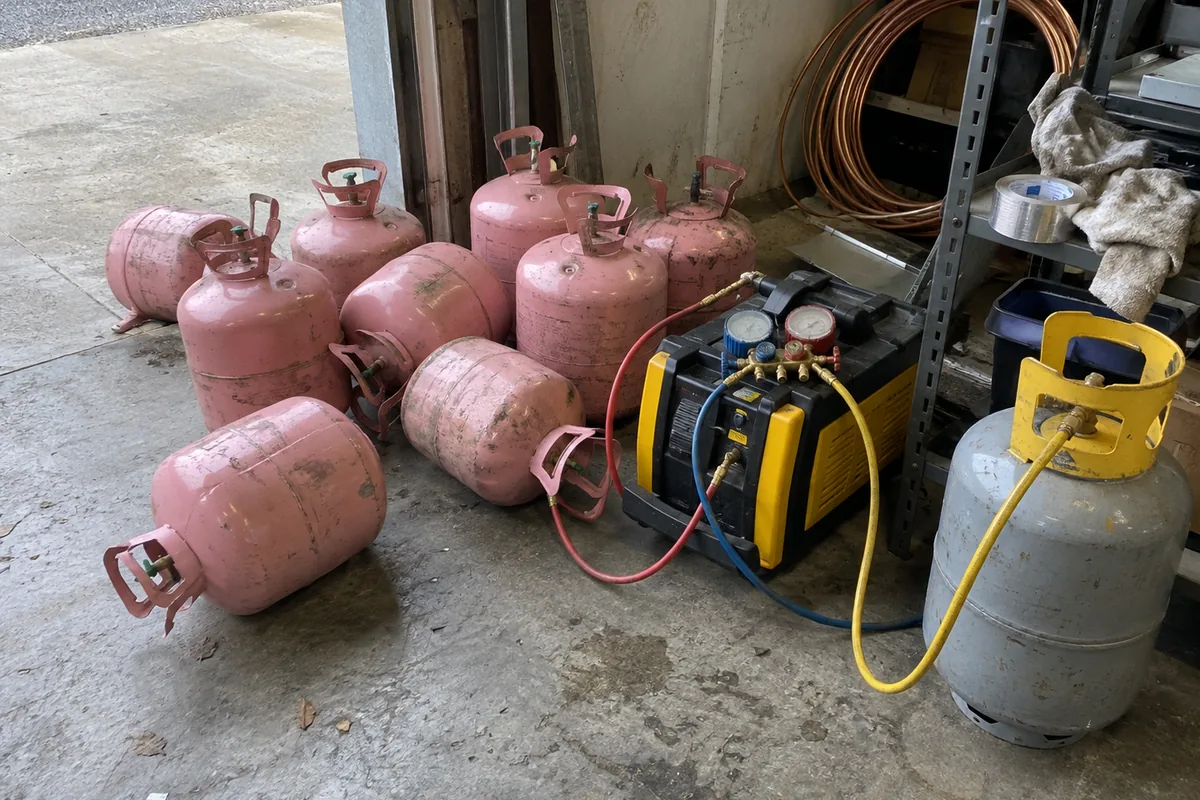
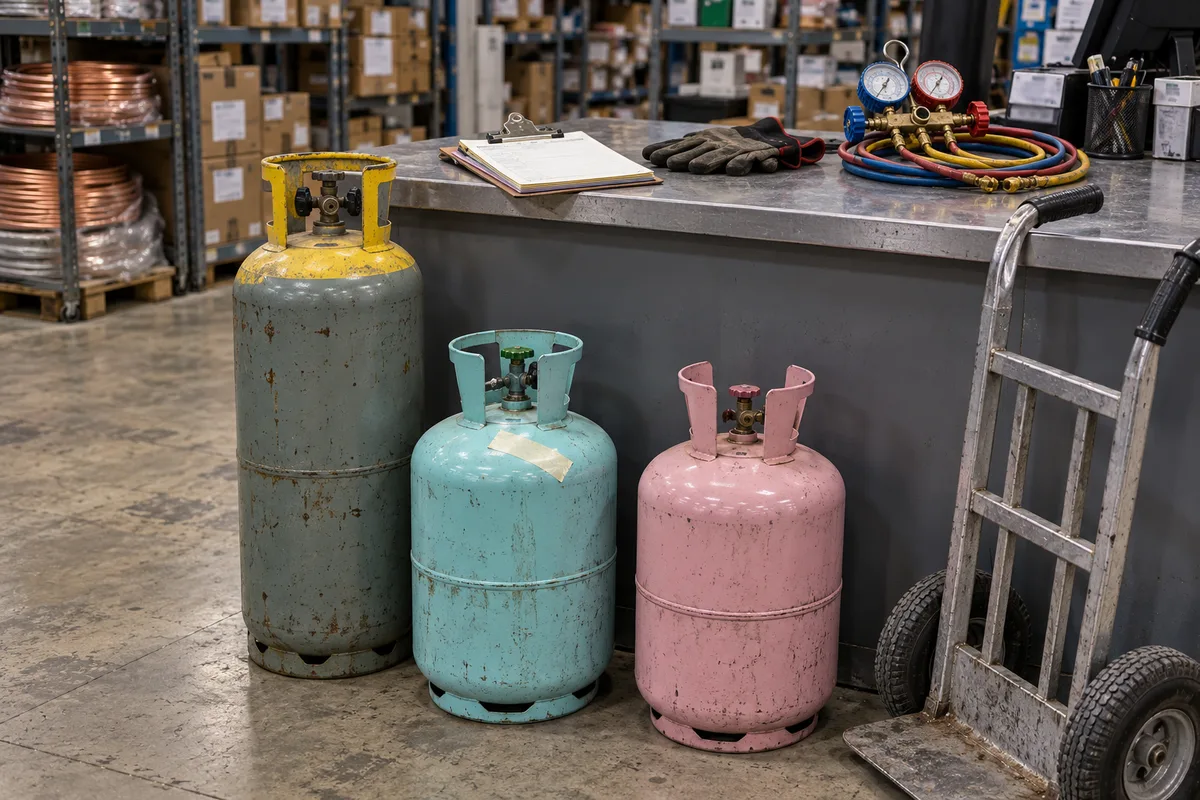
Most of EPA's Emissions Reduction and Reclamation program skips residential split systems. The disposable cylinder rule does not, and it lands on the pile of empty jugs in the back of your shop.
Read it →
The first heat wave doesn't create new customers. It collapses six weeks of deferred maintenance calls into three days, all arriving at once.
Read it →
The heat pump you installed in June has never had a reason to run its backup heat. The first cold morning is when factory thermostat staging shows up, as a high bill and an aux heat light, and the energy code already said it should not.
Read it →
The caller says the furnace in the hall closet quit. Nobody mentions it is a manufactured home until the tech is in the driveway with a standard furnace on the truck. The HUD Code already decided what goes in that closet.
Read it →
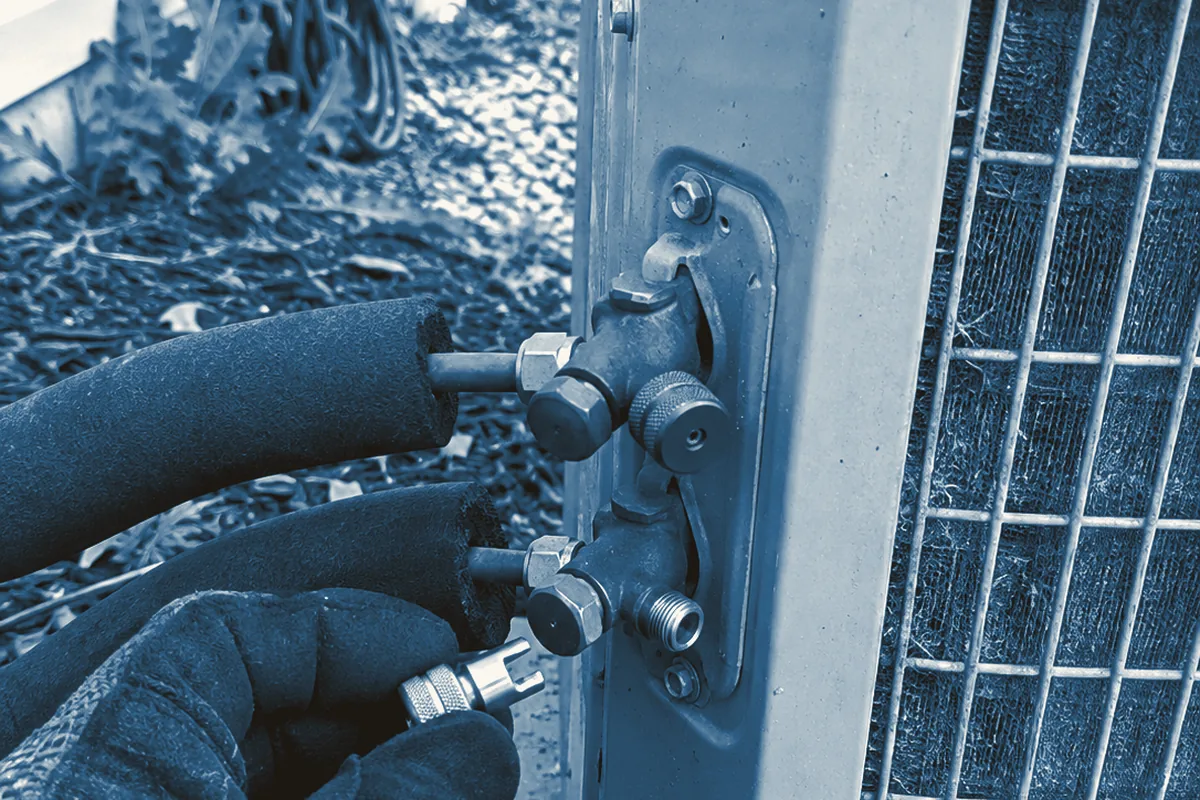
The locking caps come off every time a tech hooks up gauges, and what goes back on is whatever cap is handy. The code requirement does not end at final inspection, and the shop that last touched the ports owns what is on them.
Read it →
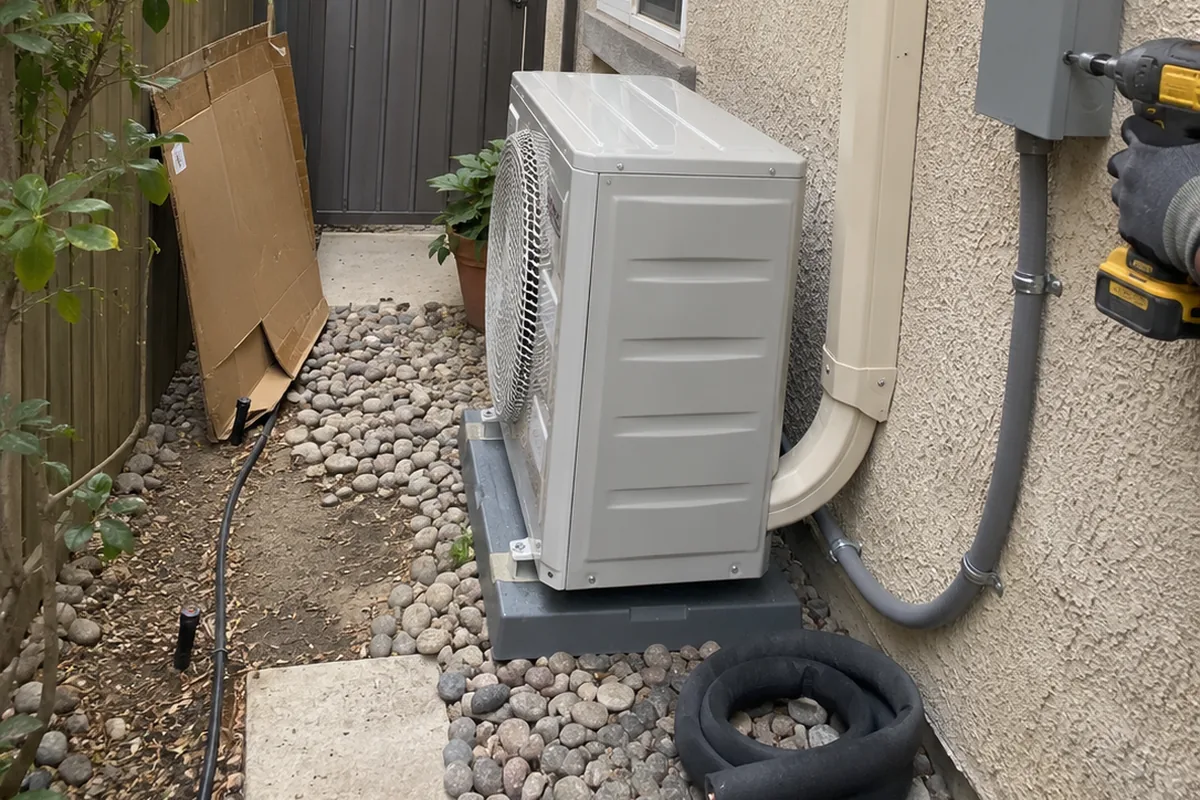
A rope line around the work area only counts as fall protection between 6 and 15 feet from the roof edge, and only if the visit is genuinely infrequent and temporary. Counted honestly across a season, a lot of rooftop dispatch histories are not.
Read it →
A residential shop that wins its first multi-site account usually finds the gap in the office, not on the roof. The caller does not know the model number, cannot approve a dollar amount, and is calling about one of many buildings.
Read it →
A changeout can land on an undersized gas line even when the furnace input never changed, because the house added a tankless water heater after the pipe went in. The code already tells you to check, and the check belongs before the estimate, not after the install.
Read it →
Everyone plans for the changeout where the new unit needs more wire. The more common problem now is the reverse: the replacement draws less, the 45 amp breaker nobody touched is above the new unit's marked maximum, and doing nothing to the panel is what created the violation.
Read it →
Google Local Services Ads can charge you for a missed call with no voicemail once you return it. Across every paid channel you are buying contact, not jobs, which means the meter runs whether or not anyone picks up.
Read it →
EPA regulates what can be manufactured and sold. Your adopted mechanical code regulates what an inspector signs off on. Those are two separate clocks, and the federal one moved first.
Read it →
The industry average is about $2.86 million per firm. The median is under $1 million. The gap is 338 companies, and benchmarking your shop against the wrong one of those two numbers changes what you think you are doing wrong.
Read it →
The disconnect was mounted to suit a unit that is no longer there. The replacement cabinet is bigger, the shrubs grew in, and one sentence added to 440.14 in the 2023 NEC turned that into a failed inspection instead of a judgment call.
Read it →
Job costing starts on QuickBooks Online Plus, not on the entry tier you priced. The field service sync runs one way and leaves the estimate behind. And 2026 has two IRS mileage rates, so the log splits in the middle of the year.
Read it →
Every requirement in the standard comes in three parts: what is required, how to verify it, and what you have to write down. The third part is the one that gets skipped, and it is the only part you still own two years later.
Read it →
A duct cleaning request is a triage call, not a sales call. EPA names three conditions that justify the work and three claims it refuses to support, and ANSI/ACCA 6 QR puts the decision to clean ahead of the cleaning itself.
Read it →
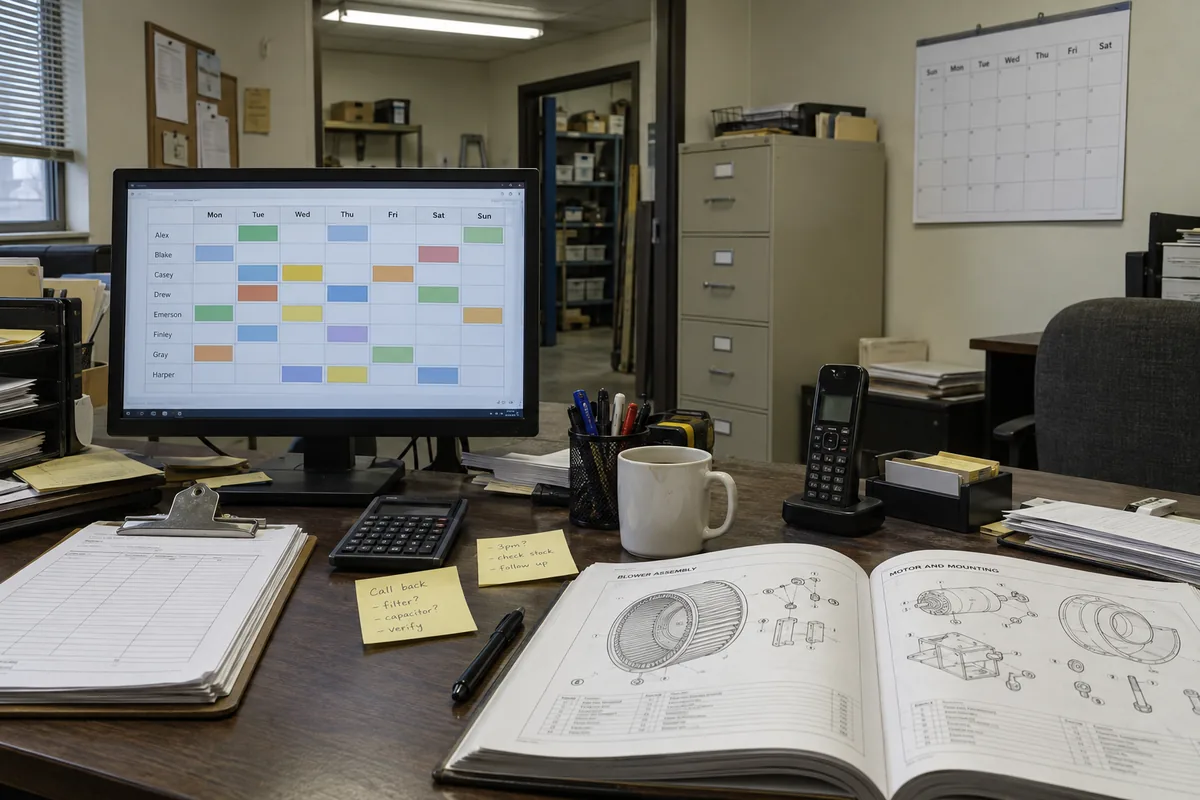
Scheduling puts a job on a calendar. Booking lets the customer put it there. Dispatch rearranges all of it once the day stops following the plan. Buy for one and assume you got the other two, and you end up blaming the wrong software.
Read it →
A free HVAC CRM is real, but every one of them caps at two or three users, which is exactly the size of a one truck office. None of them, free or paid, cover the call that has to happen before any record exists.
Read it →
Most small shops know they do not have to keep the injury log. Far fewer know that a fatality is an eight hour phone call and a hospital admission is a twenty four hour phone call no matter how small the company is, and that the clock can start on a message somebody else took.
Read it →
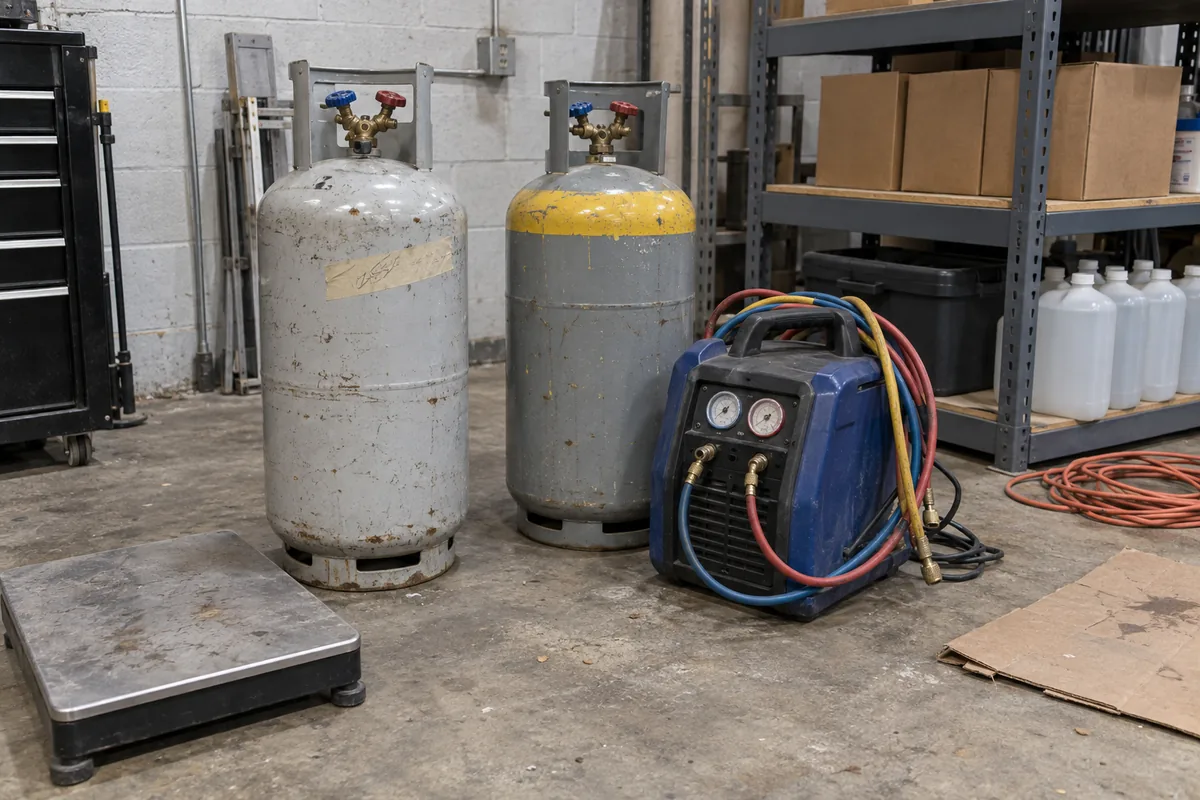
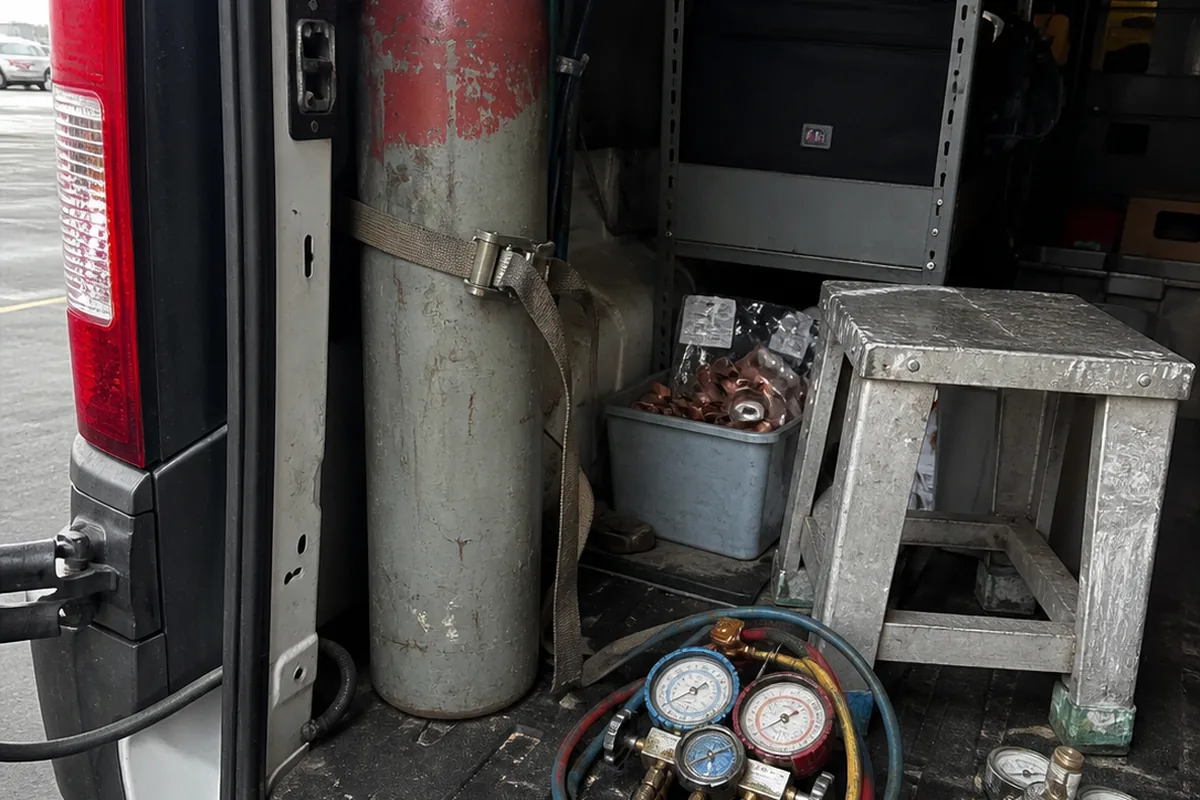
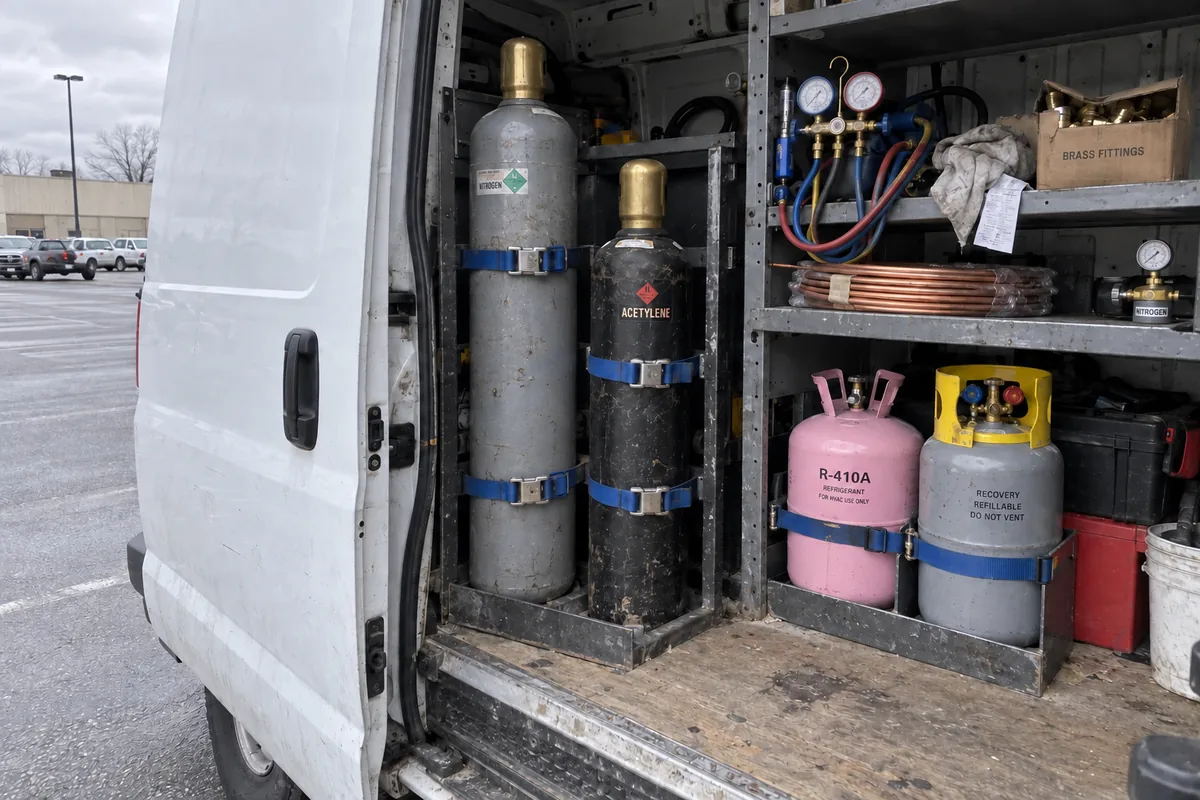
Nitrogen, acetylene, oxygen, a charging jug and a recovery cylinder ride in the same van every day. One federal exception covers all of it, the A2L changeover did not touch the per-cylinder number, and the things that break the exception are a stamped date and a total weight nobody has ever added up.
Read it →
Open four pricing pages and you see $29, $59, $48 and $208. Those aren't four prices for the same thing, they're four different meters, and none of them count the calls that never made it into the system at all.
Read it →
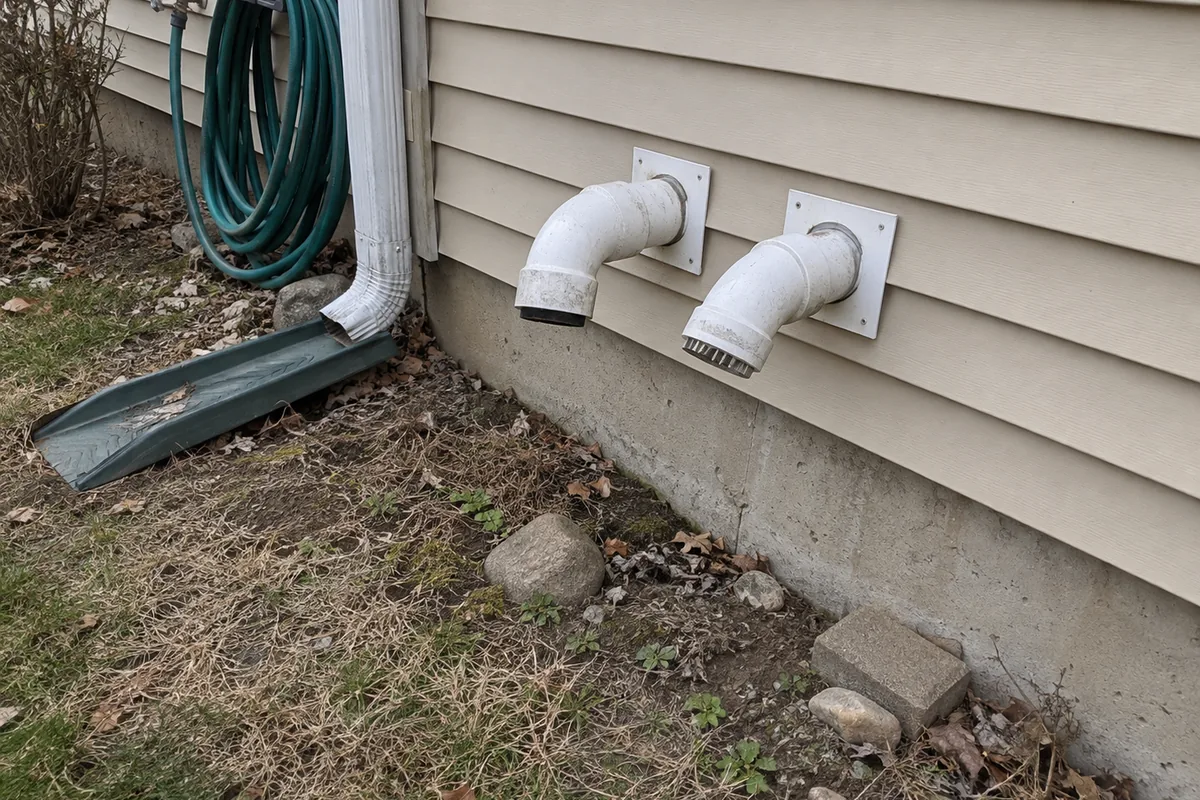
The tech who knows it is four feet from the window is quoting the wrong item. On a sealed combustion furnace the code floor is 12 inches, which sounds like relief until you read what the manufacturer's instructions do with it.
Read it →
A unit that is legal to own is not automatically legal to install. In the Southeast and Southwest the rule attaches to the day the system goes in, the installer carries the liability, and the certified coil-only combination is what actually decides it.
Read it →
Most techs can recite 35 feet and 30 minutes. Those numbers are real, but they live in the general industry standard, not the construction rule that covers a changeout, and NFPA 51B moved its own number to an hour in 2019. A shop that has not written its own rule is running on whichever number somebody half remembers.
Read it →
Most HVAC work in an old house stays under the six square foot line, which is exactly why most shops have never looked at this rule. The problem is the three things that erase that exclusion, and the fact that a firm has to already be certified on the day one of them shows up.
Read it →
The opening is either 22 inches wide or it is not. Attic and crawlspace access requirements are measurable, they are triggered by the appliance being there, and on a changeout they land on the contractor who pulled the permit, not the builder who framed the passageway.
Read it →
The room either holds 50 cubic feet per 1,000 Btu/h of total appliance input or it does not. That one test decides whether your changeout needs permanent combustion air openings, and the answer can change even though the closet did not.
Read it →
Duct leakage is one of the few things on a residential job that gets measured with an instrument and either passes or does not. Most shops know the test exists. Fewer can say which number applies to the job they are quoting, or when an equipment swap on existing ductwork triggers it.
Read it →
Every shop says it works deenergized. Almost every tech takes a live reading at the contactor, because that is the only way to take it. Both of those are true at once, and OSHA wrote the rule that reconciles them. What it does not do is cover the part that happens next.
Read it →
The customer says the air conditioning quit but the fan will not shut off. Your sniffer finds nothing. That is not a contradiction, it is the equipment doing what it is listed to do, and on a fail-safe design a dead sensor produces the identical symptom.
Read it →
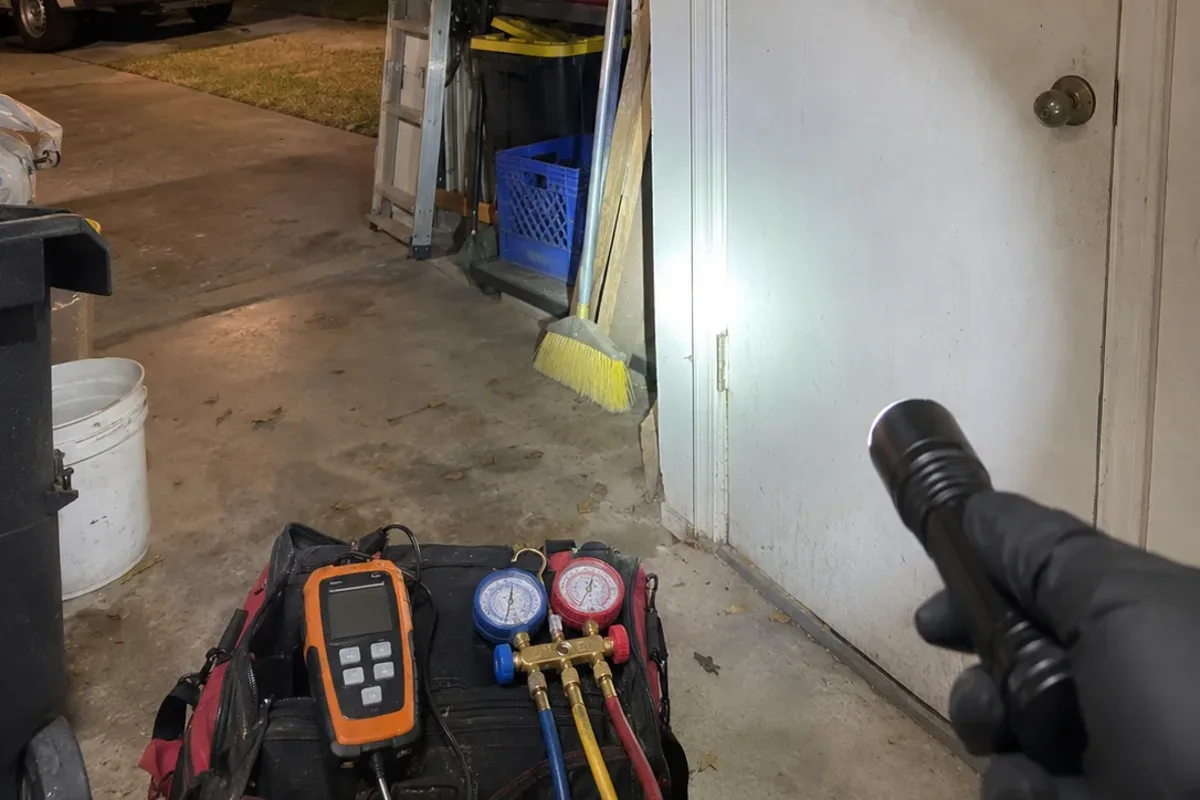
You pulled eight pounds of R-410A off a changeout and the drum is sitting in the corner of the shop. Tomorrow you have a system that is low on charge. The question your tech is about to ask you has a specific federal answer, and it turns on one word in a definition most techs have never read.
Read it →
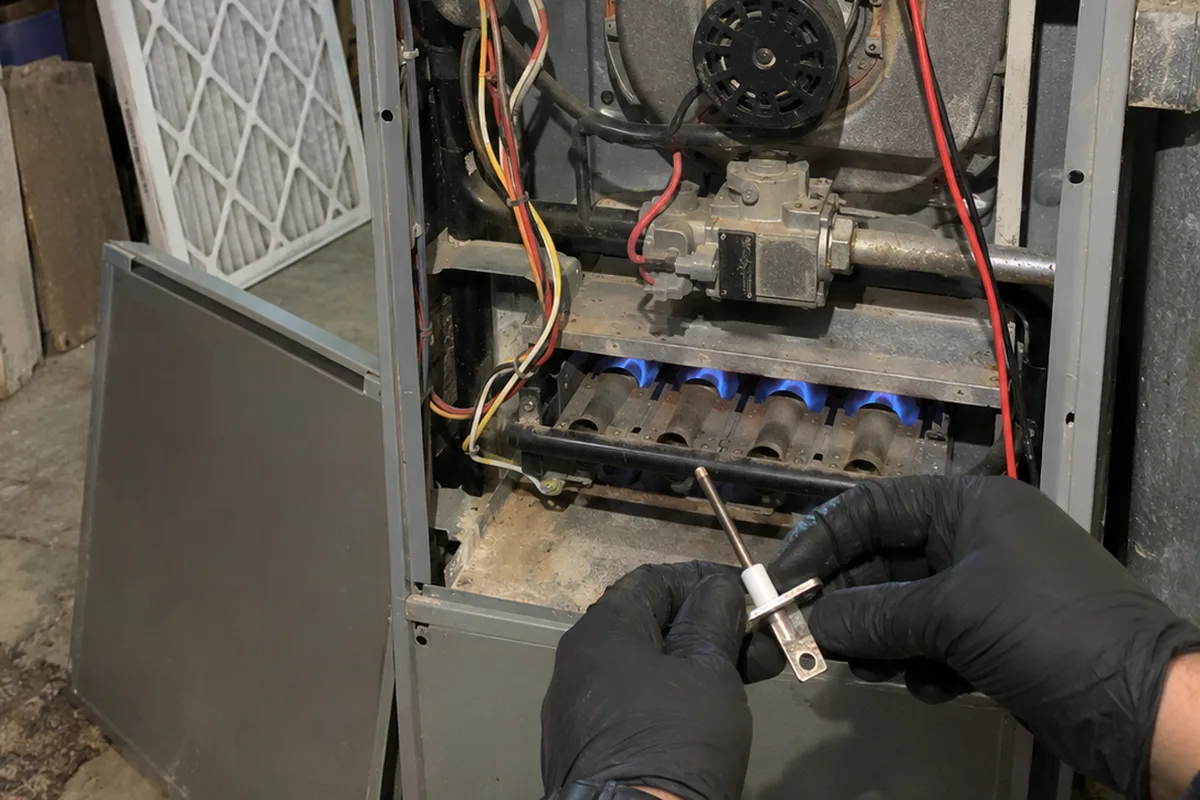
There is still no federal heat standard, which is not the same as saying there is no enforcement. OSHA cites heat under the General Duty Clause, its revised emphasis program runs to 2031, and the hottest place your techs work all summer is inside a customer's house.
Read it →
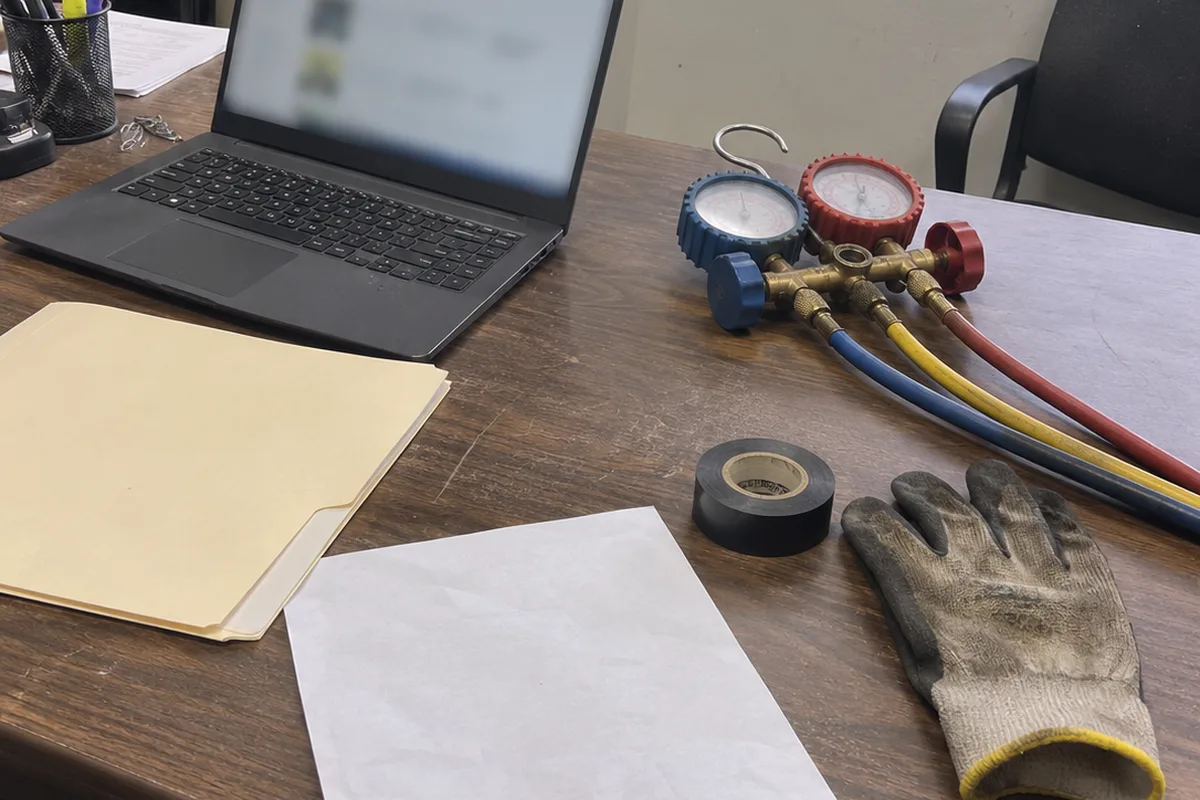
Nobody quotes the line set. It gets reused because it is already in the wall, and the crew moves on. But the manufacturer's instructions specify diameter, equivalent length, lift, and a charge adjustment in ounces per foot, and the mechanical code makes those instructions part of the installation.
Read it →
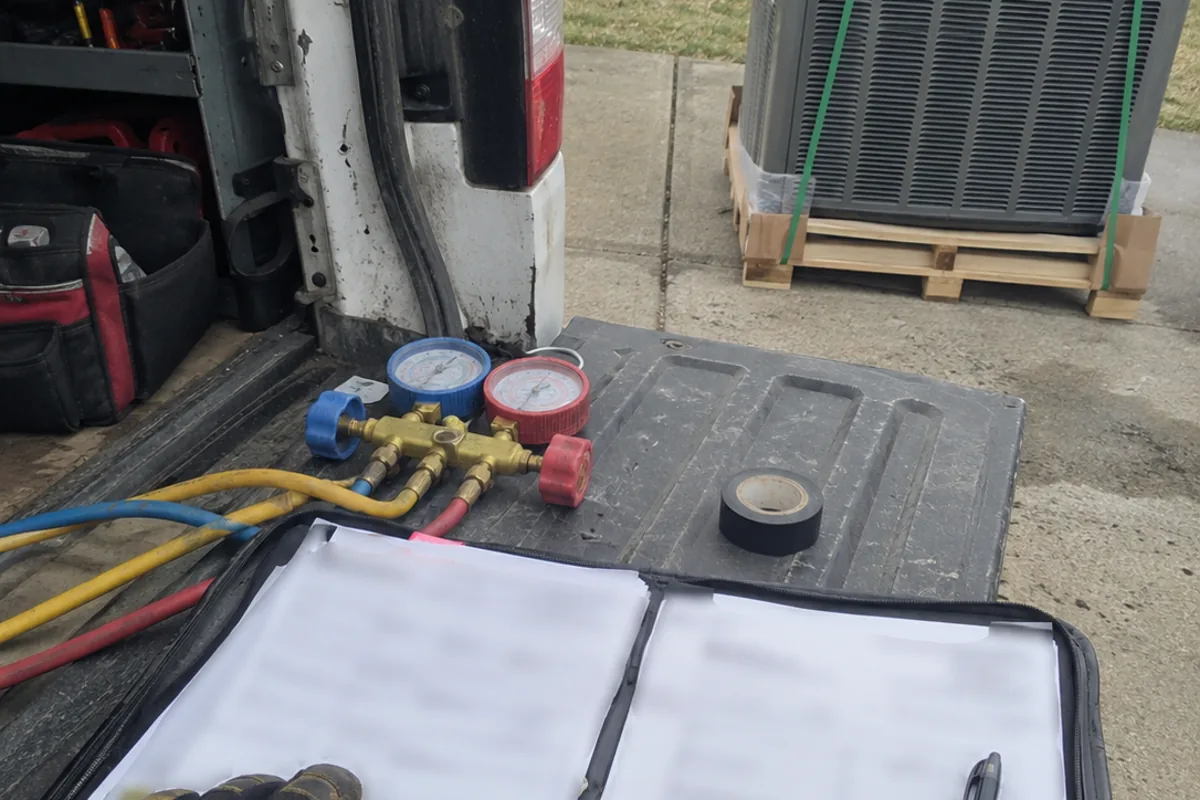
Two separate ENERGY STAR changes landed this year. Central air conditioners lost the label outright in February, and the whole program is moving from EPA to DOE over the next twelve months. One of them is already wrong on a lot of proposal templates.
Read it →
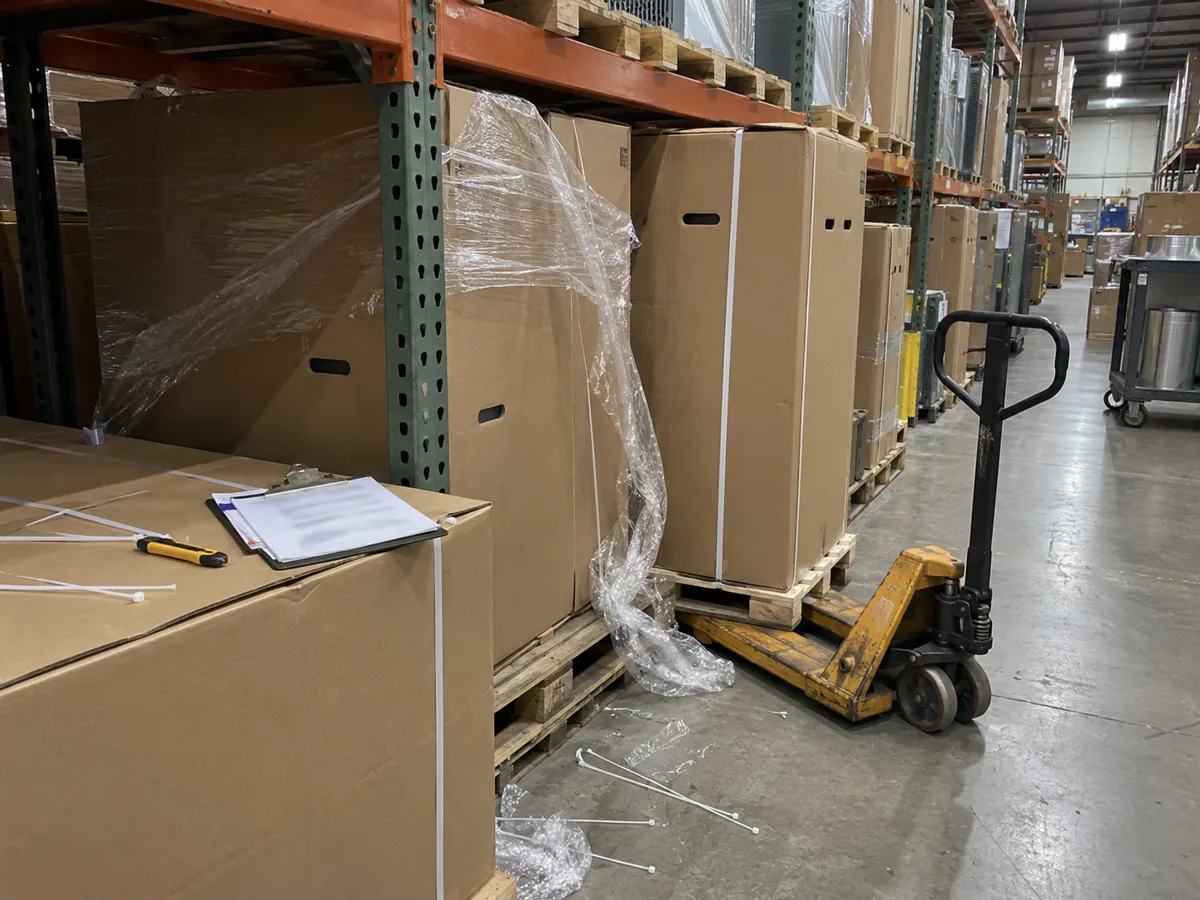
Every condensing changeout off a shared chimney creates an orphaned water heater. Most shops know the liner is coming. Fewer can show which code section requires it, or do the arithmetic that proves it on the driveway before the quote goes out.
Read it →
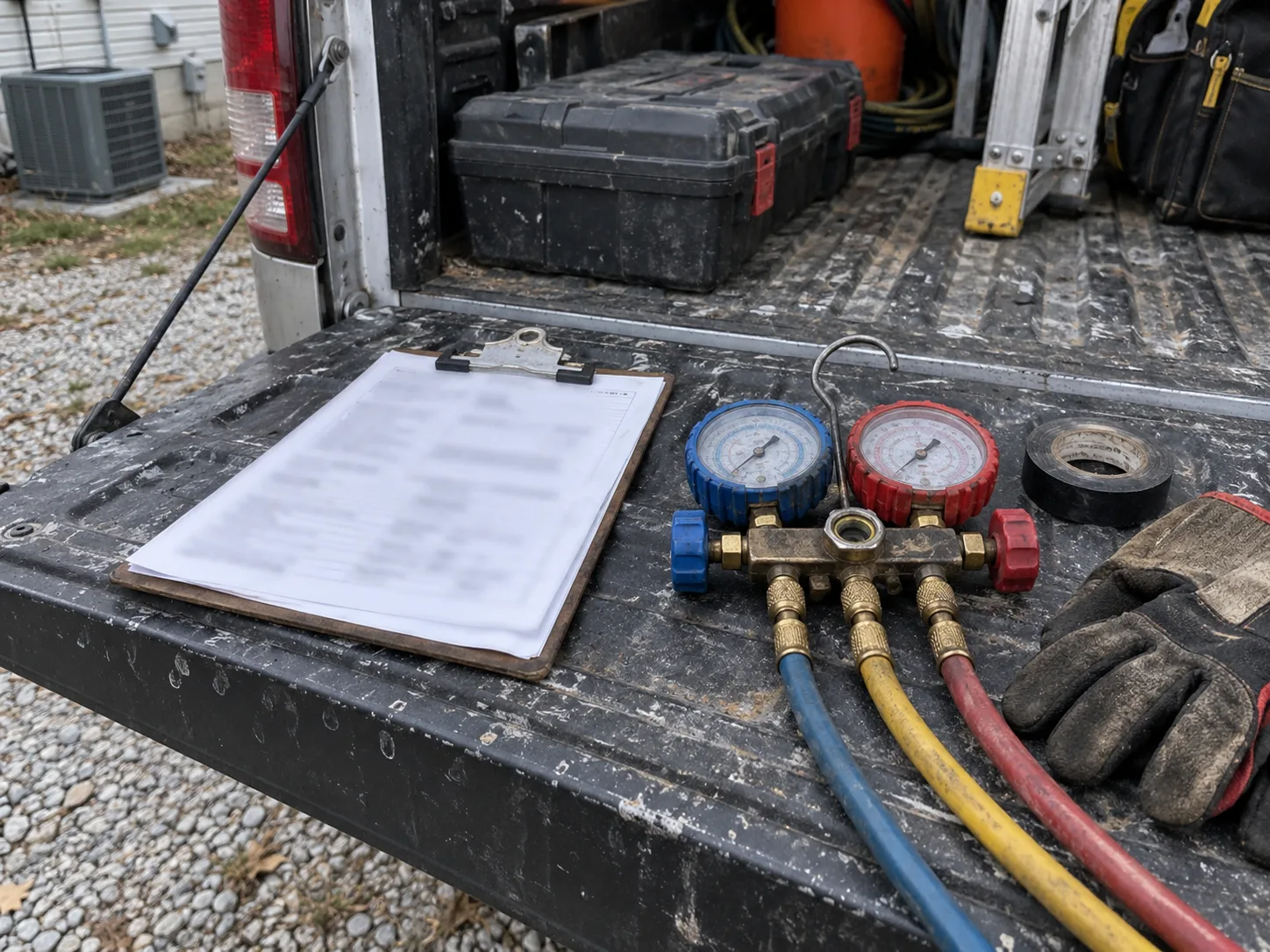
A correct Manual J load and a correct Manual S selection can still produce a system the homeowner complains about, because neither one sizes the ducts. Manual D does, and it is the step most changeouts skip.
Read it →
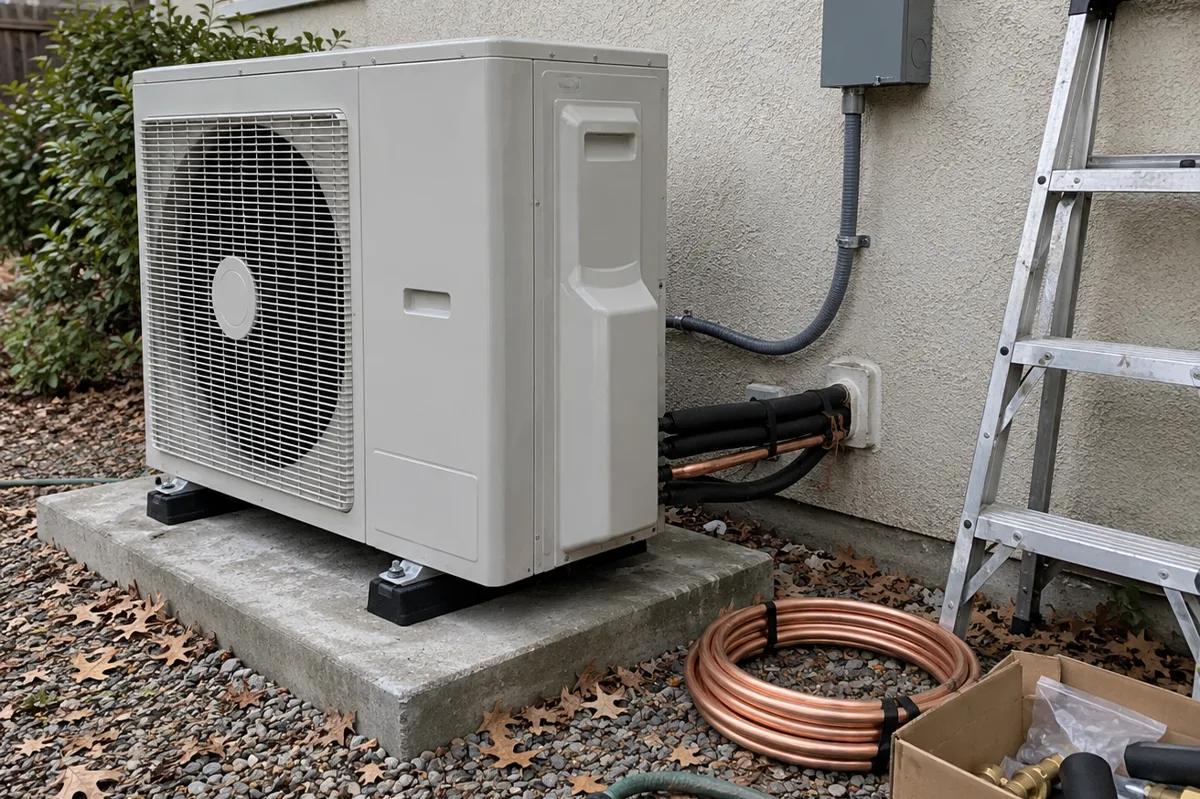
Maintenance season starts now. There is a national consensus standard defining the floor for a residential maintenance visit, most shops have never read it, and the difference between a tune-up and a documented inspection shows up in January.
Read it →
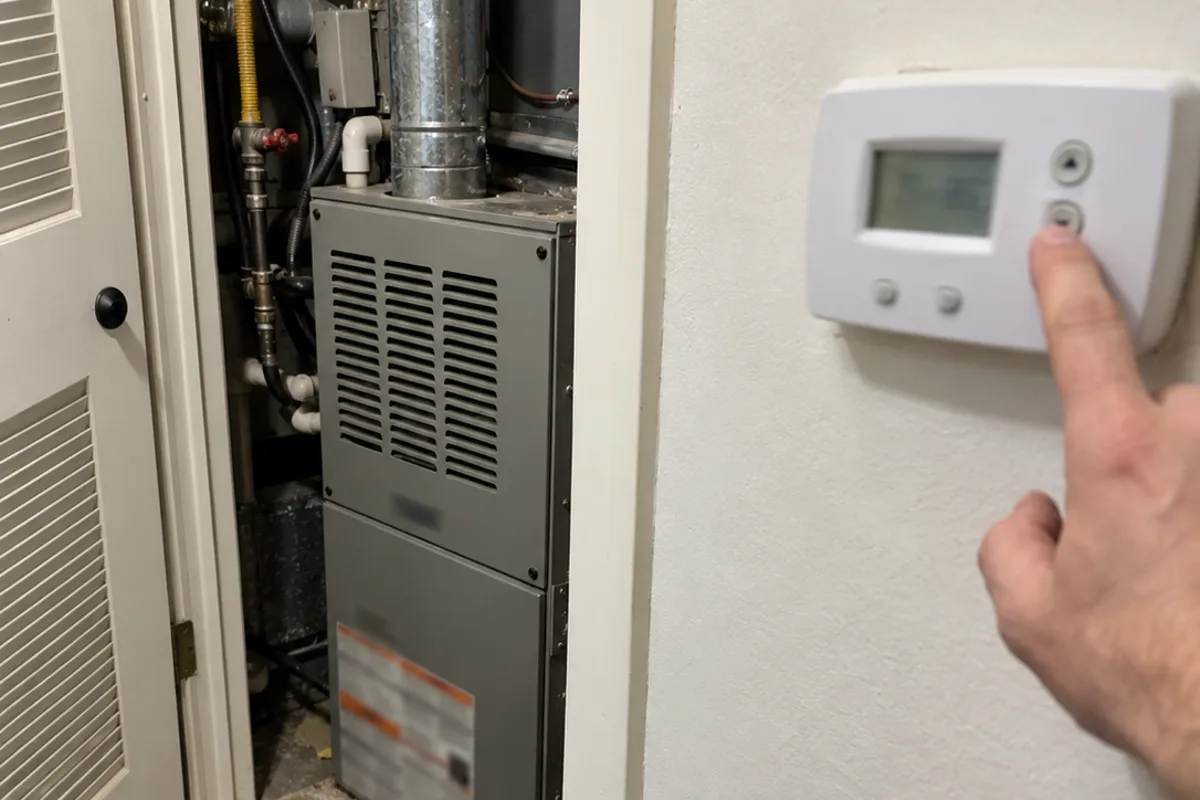
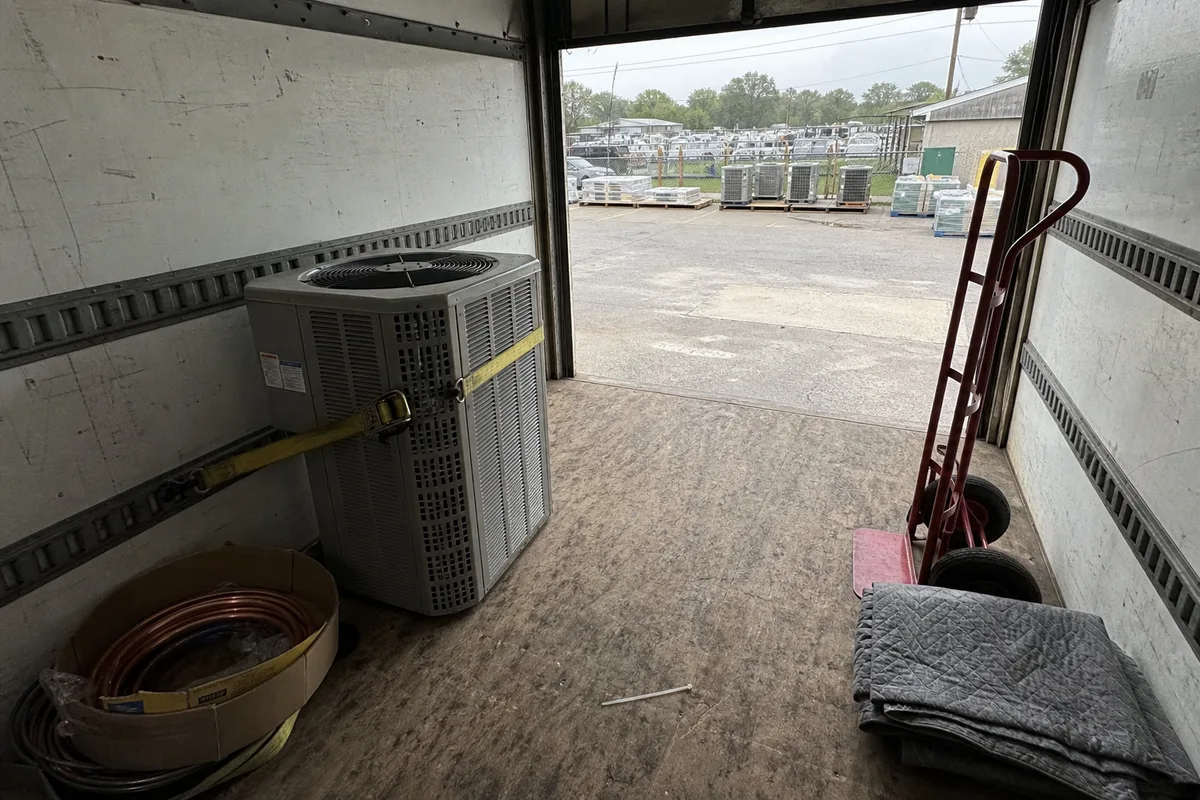
Every residential shop moves factory-charged equipment. When the charge went from R-410A to R-454B, the transport question changed underneath it and most shops never got a clean answer. In August PHMSA gave one, and it takes effect this week.
Read it →
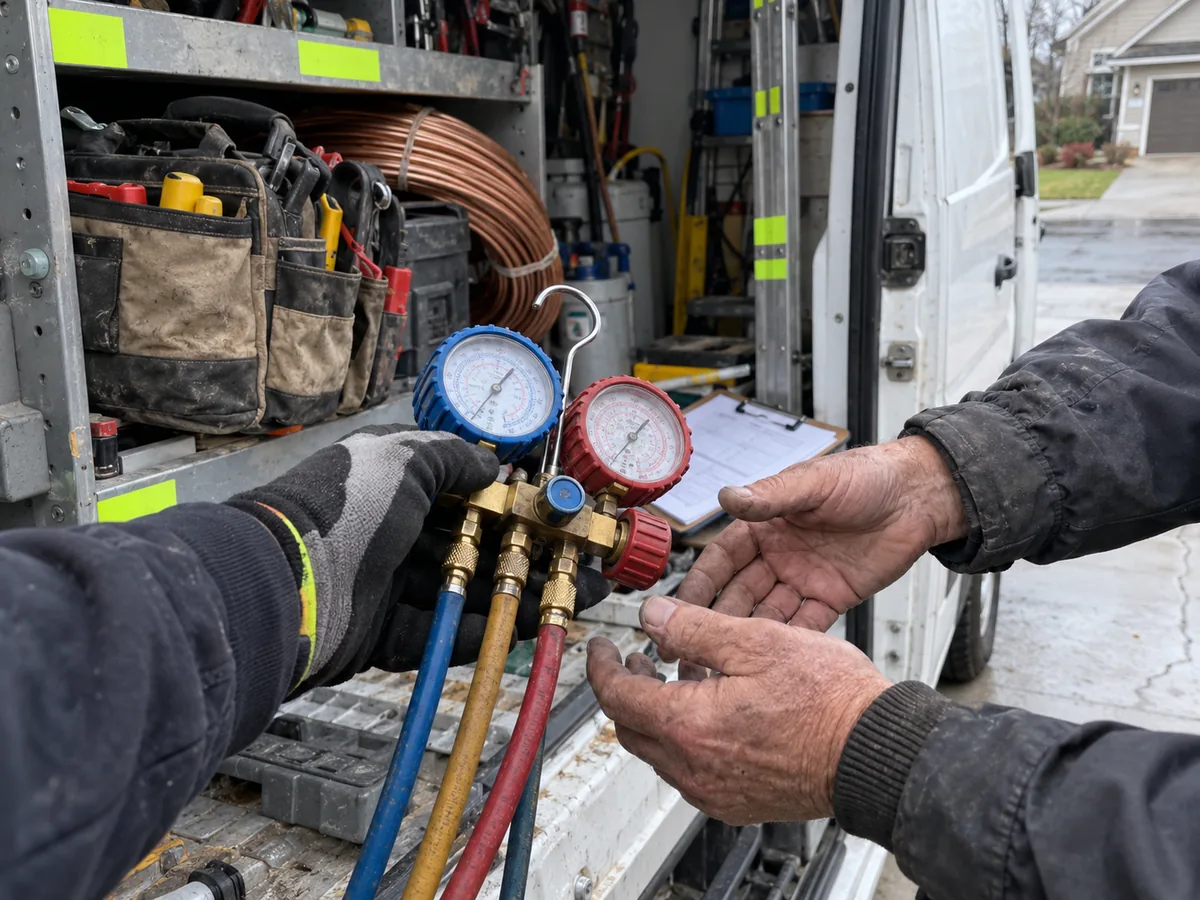
Heating season starts and the questions start with it. The 95% AFUE furnace standard does not touch the furnace you are installing this month, the compliance date attaches to manufacture rather than installation, and the rule itself is unsettled after the Supreme Court sent it back in June.
Read it →
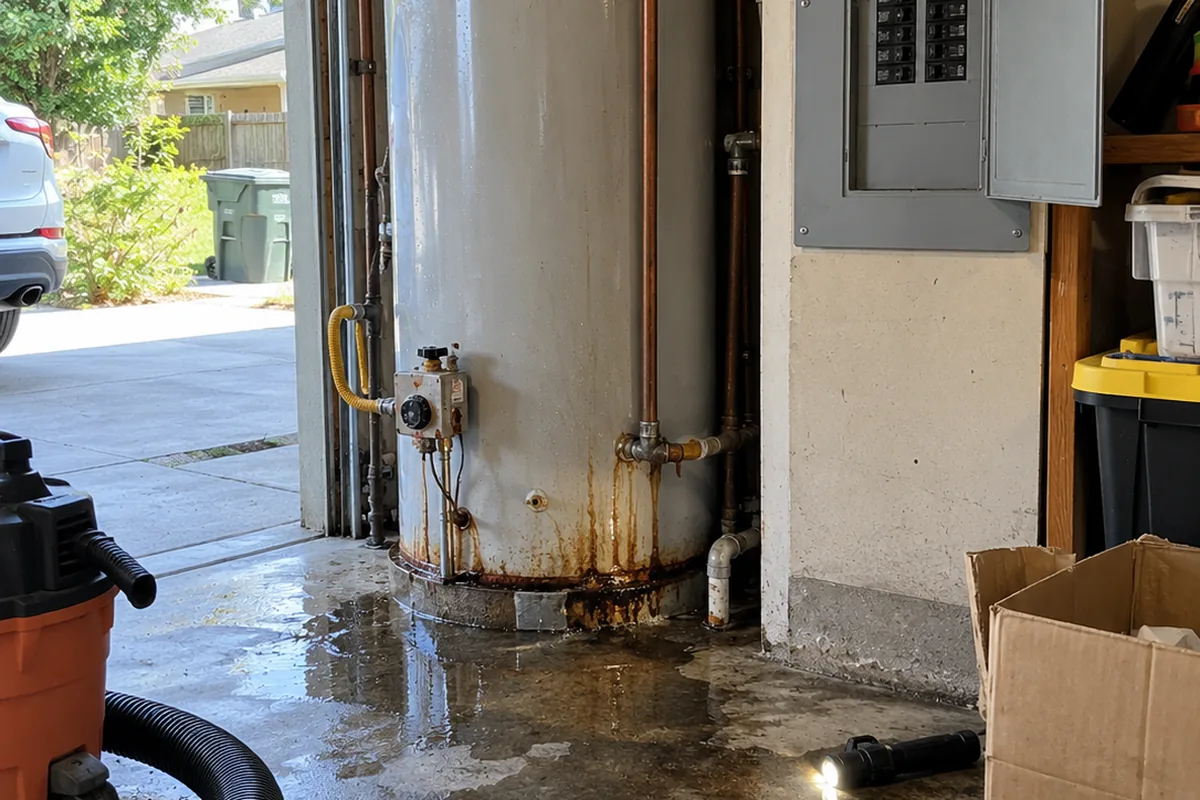
The code exception that let outdoor condensers and heat pumps skip GFCI protection expired September 1, 2026. The request to extend it is still in comment. Whether any of it reaches your next changeout depends on which code edition your jurisdiction actually enforces.
Read it →
EPA loosened commercial-refrigeration deadlines in its May 2026 reconsideration rule. ACCA, HARDI, and PHCC say that will tighten HFC supply and raise prices for everyone, including residential HVAC shops.
Read it →
NFPA 720 was withdrawn in 2018 and its carbon monoxide alarm requirements moved into NFPA 72. Here's what HVAC contractors should know before the next heating season.
Read it →
EPA evacuation minimums determine when a system may lawfully be opened, but they do not determine whether that system is ready to charge.
Read it →
Manual J calculates the load, while Manual S uses that load and manufacturer performance data to select equipment for the actual design conditions.
Read it →
Secondary condensate protection limits building damage when a primary drain clogs. Learn what the codes require and how to make compliance repeatable.
Read it →
ASHRAE 62.2-2025 moved the residential filtration floor to MERV 11, but treating a higher-rated filter as a drop-in replacement can create airflow problems and callbacks.
Read it →
The refrigerant changed at the factory. The part that lands on a shop is everything downstream: cylinders that don't thread onto your old hoses, recovery equipment certified for flammable refrigerant, and a different answer when an inspector asks what you installed to.
Read it →
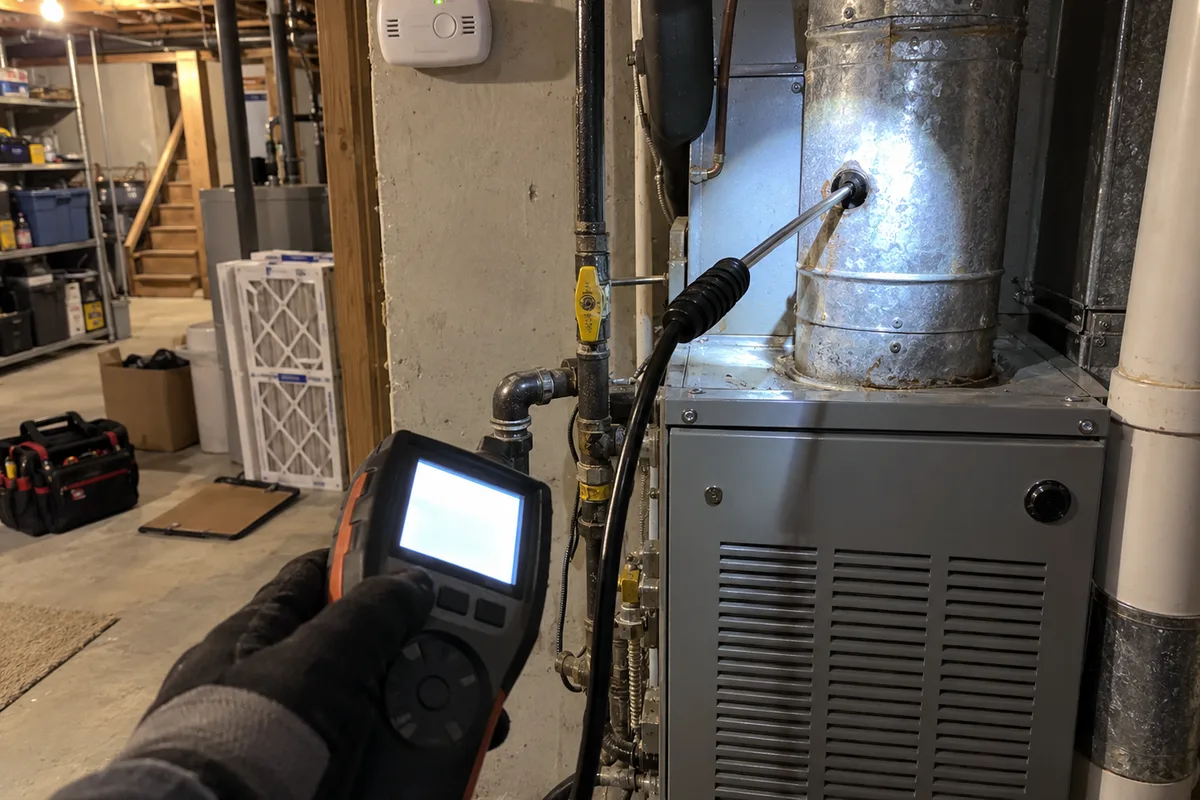
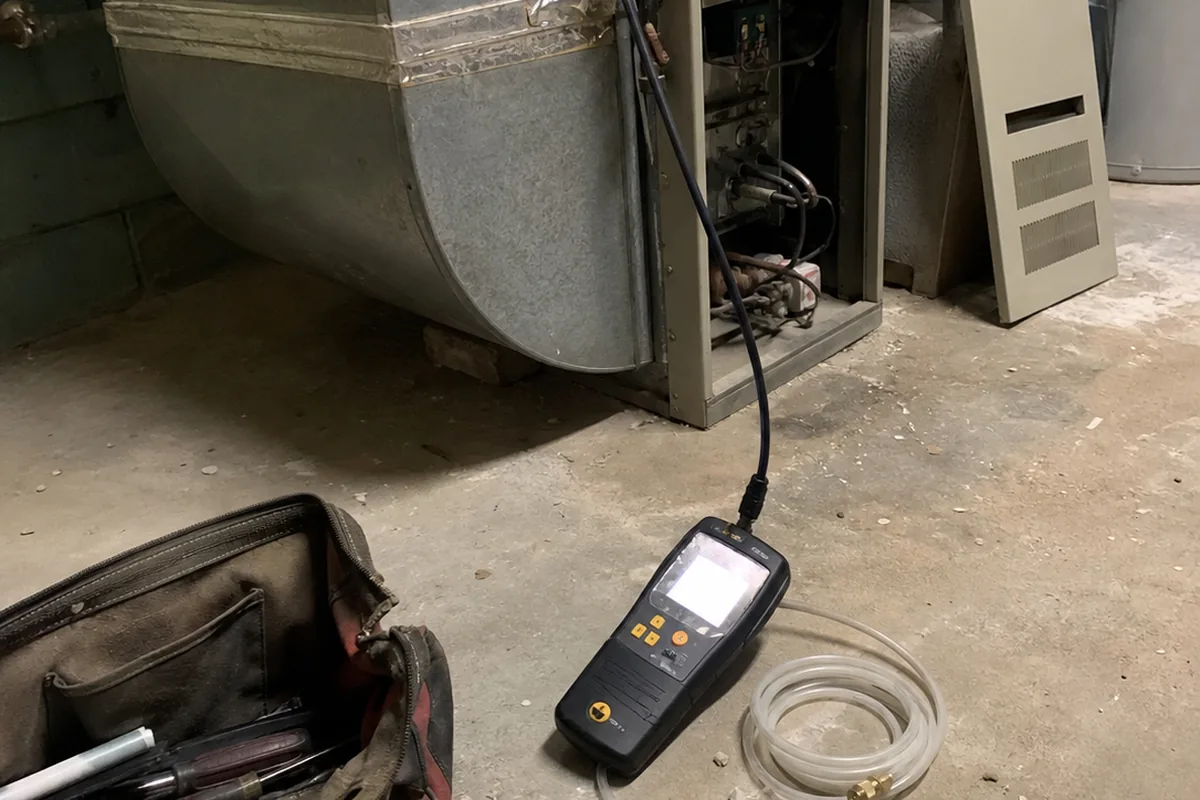
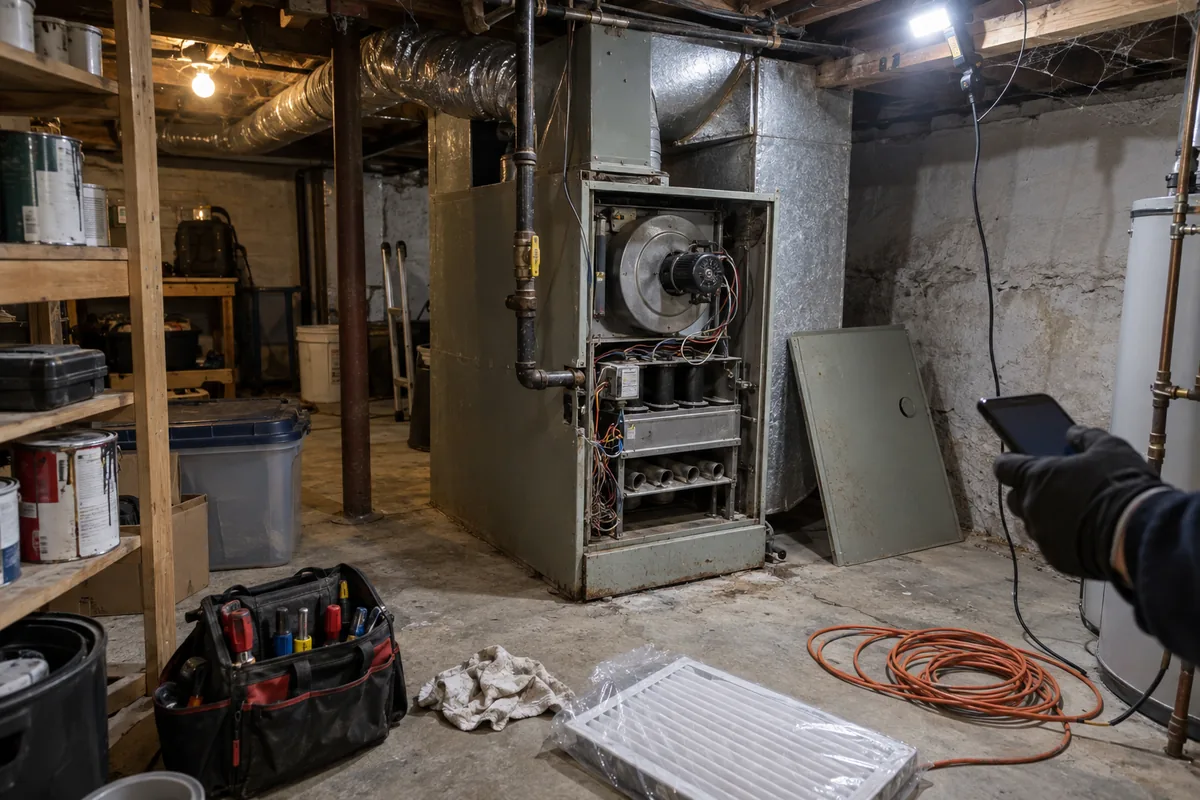
A visual inspection tells you what a furnace looks like. A combustion analyzer tells you what it's actually producing. Heading into heating season, that difference is the whole ballgame for liability and for what you can charge.
Read it →
A NATE ID number takes about thirty seconds to verify online. Here's what it actually proves about a technician, and why it's built into the requirements for some manufacturer dealer programs, not just a certificate on the wall.
Read it →
A system that isn't registered in time doesn't run any differently. It just costs the homeowner a lot more the day a major part fails in year seven instead of year two. Here's the window most estimates never mention.
Read it →
The SEER2 number on the box only means what it says if the indoor and outdoor units are a combination AHRI has actually certified. Here's what's at risk when they aren't, and the one-minute lookup that proves the match either way.
Read it →
Square footage divided by a rule of thumb isn't a load calculation. Here's what a skipped Manual J actually costs a shop, in callbacks, comfort complaints, and the estimate you lose to the contractor who shows up with a number instead of a guess.
Read it →
If your shop spent last year bracing for a hard R-410A installation cutoff, the rule that set that deadline just changed. Here's what EPA actually did, and what's still true regardless.
Read it →
The hourly rate is the smallest part of what a part-time dispatcher actually costs. Here's the full comparison, including what happens after 5 p.m.
Read it →
One county, thirty degrees of spread, and a phone that rings hardest on the days the whole crew is already booked. Here's what a San Diego shop found when it looked at where its calls were going.
Read it →
They answered their phones. They still lost the replacement jobs. Here's what a shop found when it worked out where its biggest quotes were actually going.
Read it →
A per-minute answering service was costing more every busy month and still getting the details wrong. Here's what changed after the switch, line by line.
Read it →
Ask anyone in the trade what temperature comfort is and you'll get one answer. Here's where the magic number came from, and why we named the company after it.
Read it →
She was doing the books, ordering parts, and answering every call, often all three at once. Here's what changed when the phone stopped being her whole day.
Read it →
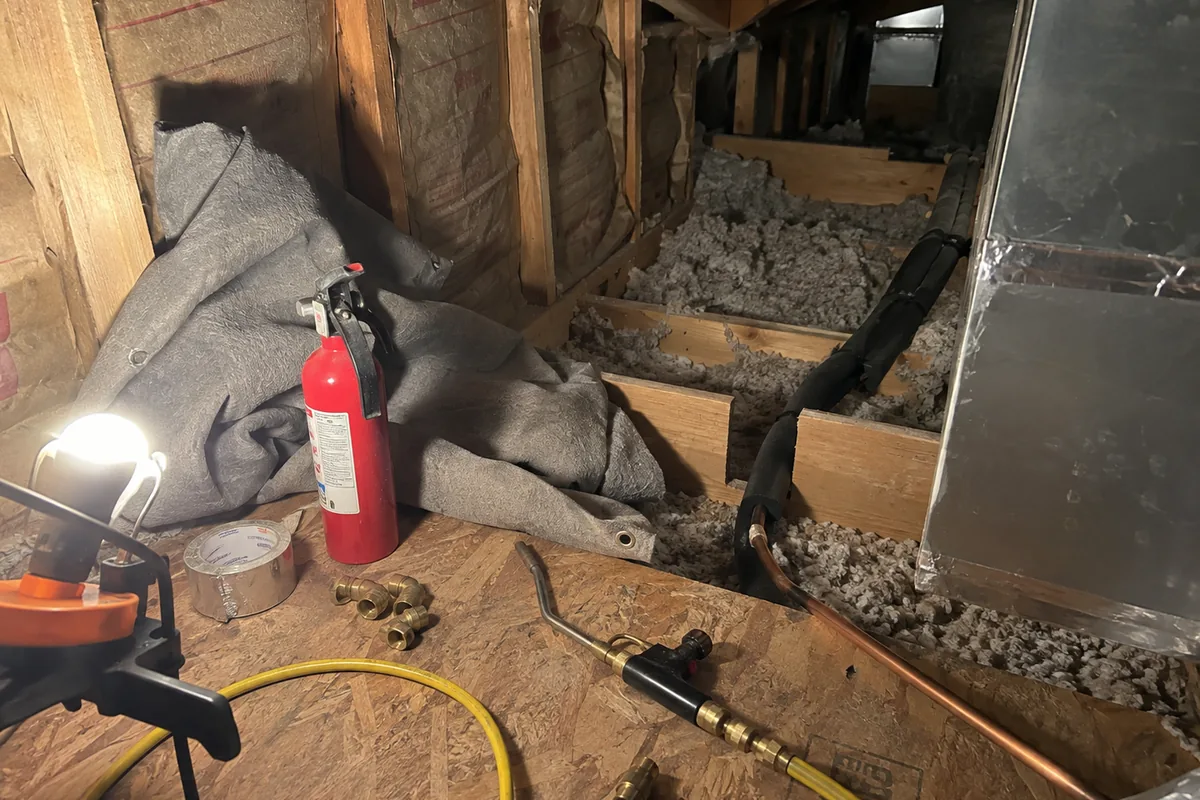
She's only as good as the rules you give her. Here's the short setup checklist that decides whether she books clean jobs or creates a mess for dispatch.
Read it →
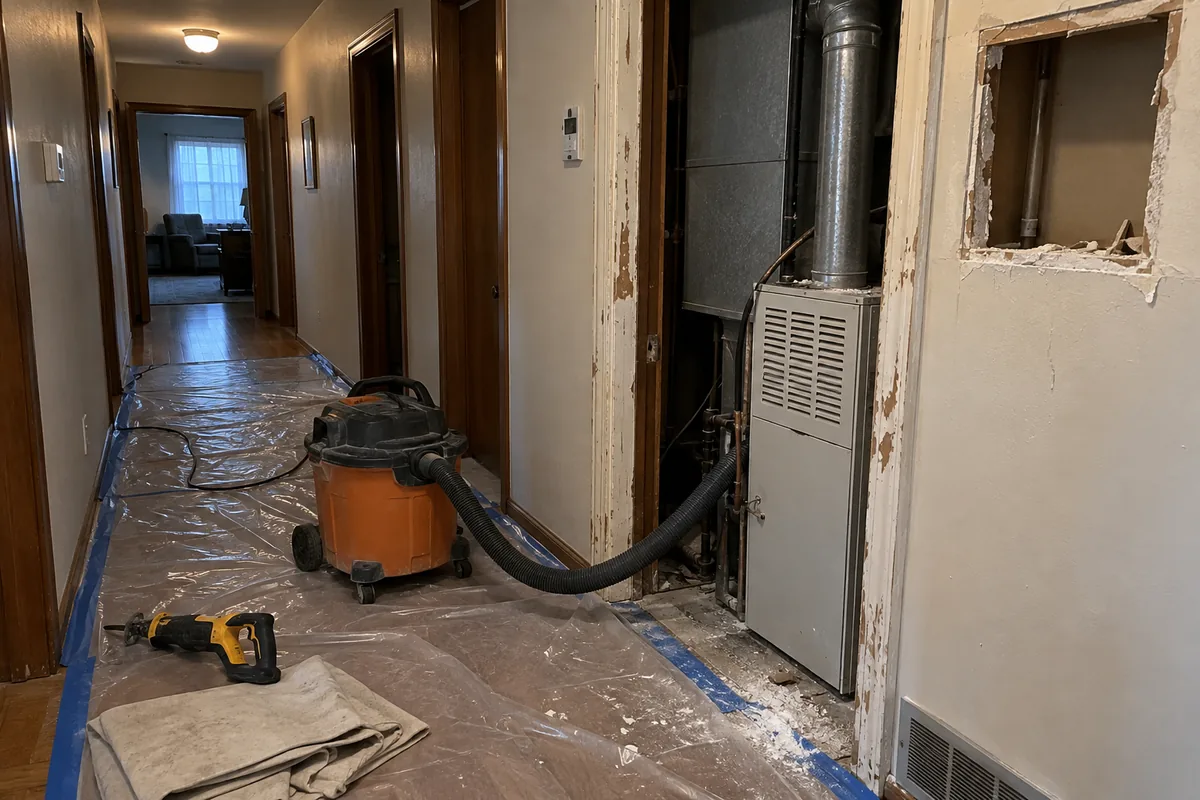
He runs the truck, does the diagnosing, and used to try to answer the phone too. Here's what changed for a one-truck shop in its first 30 days with Bella.
Read it →
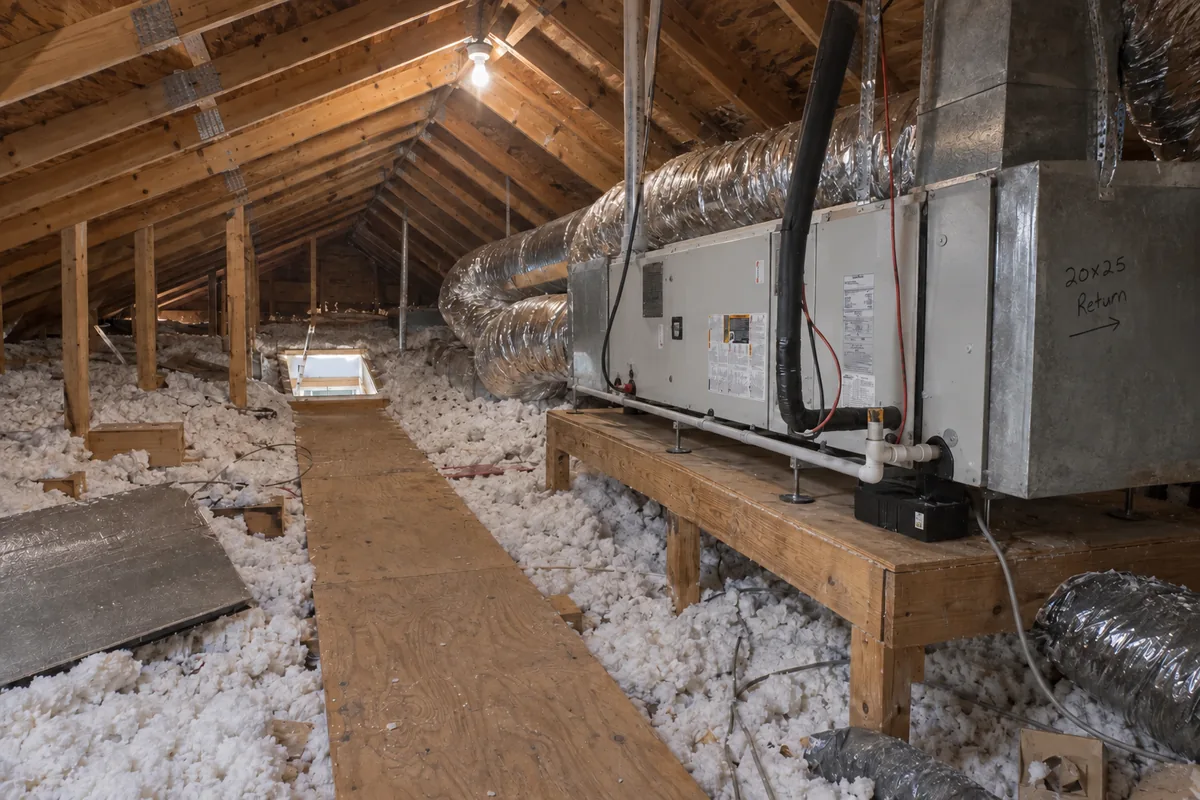
Most of your calls come after hours. Here are the four ways shops cover that window, and the honest trade-offs of each, including ours.
Read it →
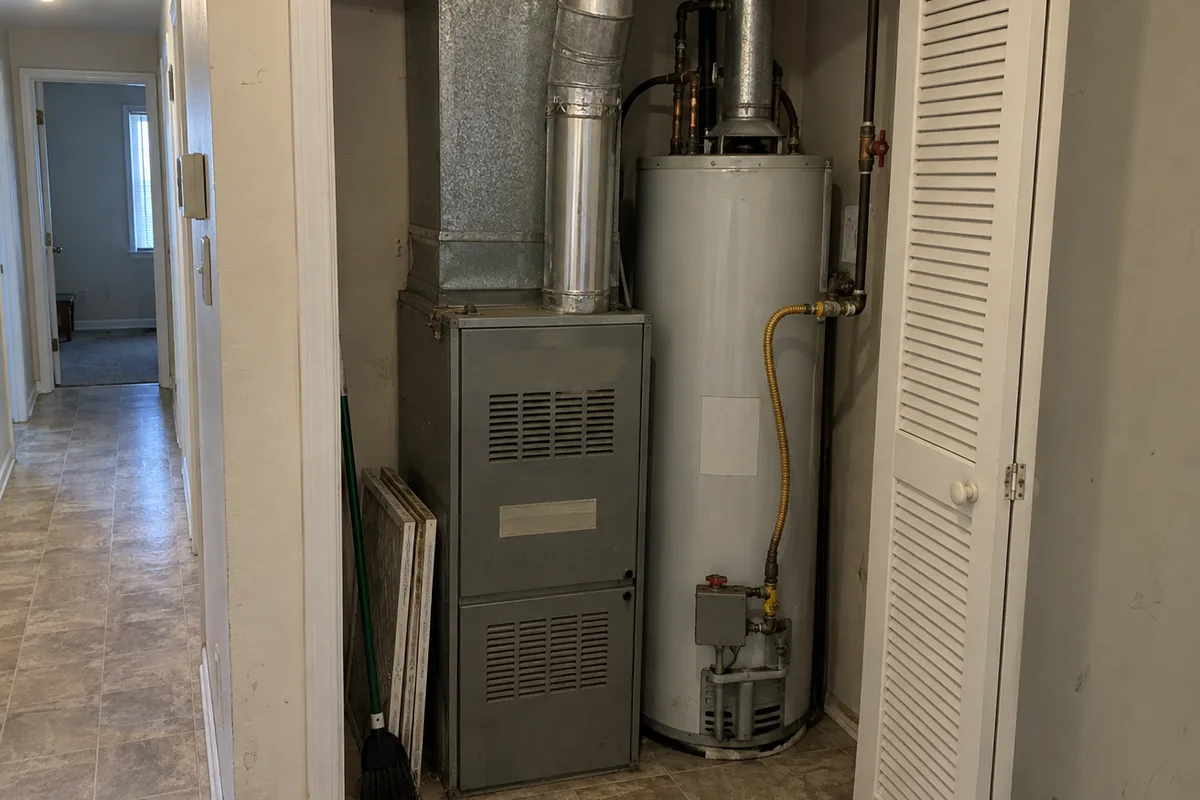
The first 95-degree week is a stress test you didn't sign up for. Here's how a small shop absorbs the surge without a temp hire or a burned-out office.
Read it →
The invoice you never wrote is still a number. Here's the real math on one unanswered no-heat call, and why the caller almost never tries again.
Read it →AFTER HOURS, WEEKENDS, HOLIDAYS
Every missed call is a job on someone else's books. Bella picks up in under a second and gets it on yours.