TL;DR: The Department of Labor’s independent contractor test may change, but no final rule has been published as of November 17, 2026. State tests, including California and New Jersey’s ABC tests, do not change, and your actual dispatch and payment practices matter more than a signed 1099 agreement.
The federal test may change, but the rule is not final
On February 26, 2026, the U.S. Department of Labor proposed rescinding its January 10, 2024 independent contractor rule and replacing it with an economic reality test. The proposal appeared in the Federal Register on February 27 as document 2026-03962. The comment period closed April 28, 2026.
No final rule has been published. As of November 17, 2026, a Federal Register search of 29 CFR part 795 shows the February 2026 proposal as the newest action. For now, it is still a proposal.
The federal test may change, but state tests do not change because of this proposal. DOL says the rule has no effect on state wage and hour laws that use a more restrictive test, such as the ABC test applied in California and New Jersey. Employers must meet whichever standard gives workers the greatest protection. The IRS uses a different standard for tax purposes. The National Labor Relations Act uses another. Workers cannot waive employee status or Fair Labor Standards Act rights by signing an agreement.
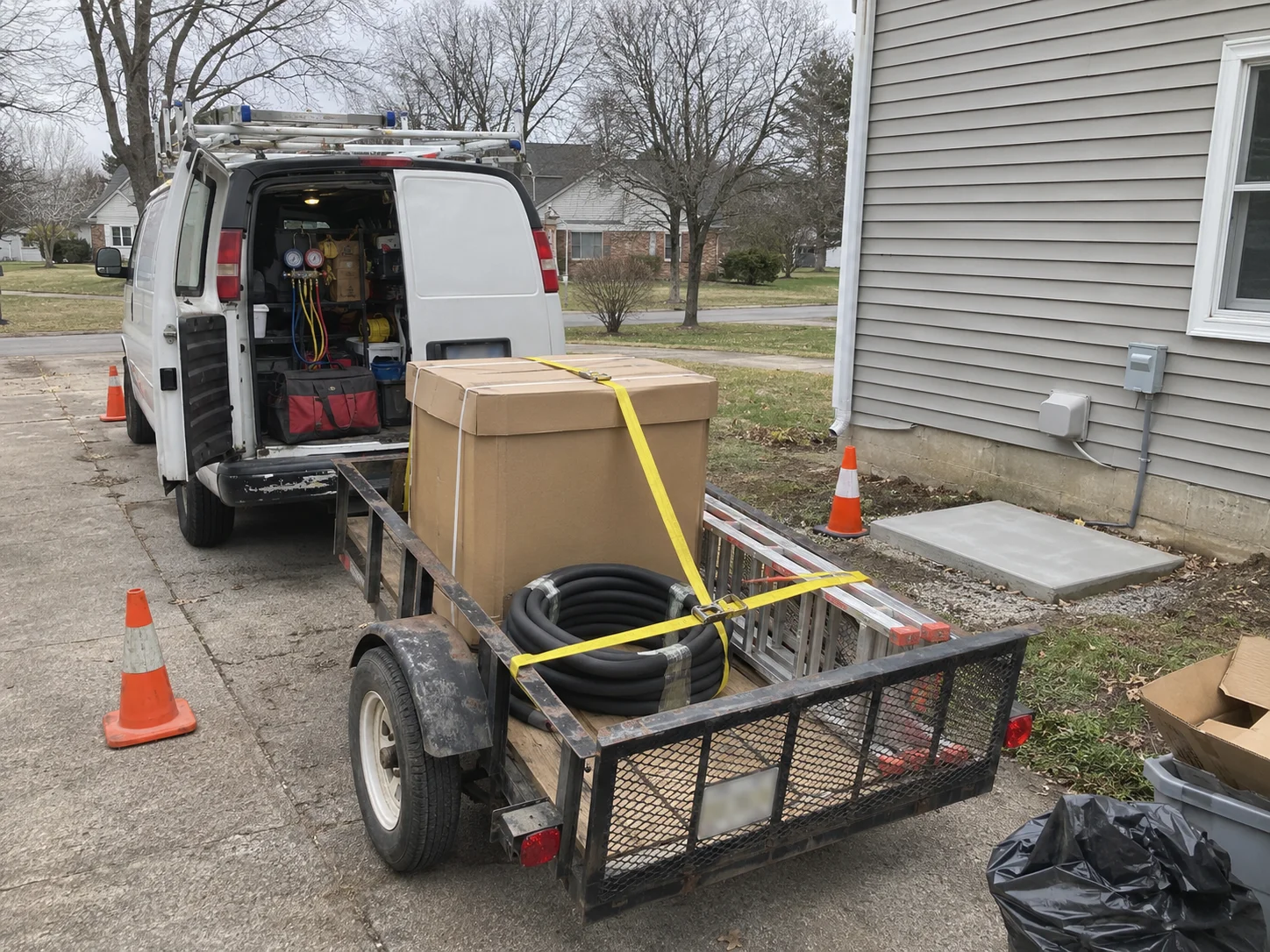
In shops that run a “1099 install crew,” the tell is usually the dispatch board. The owner thinks of the crew as independent, but the crew’s start time, job address, and scope all arrive in the same morning text the W-2 techs get. The crew wears the shop’s shirts and drives to whichever address the office picks.
That actual routine matters. DOL’s question and answer guidance says the actual practice of the parties is more relevant than what may be contractually or theoretically possible.
DOL wants more weight on control and profit or loss
DOL’s proposed economic reality test uses five non-exhaustive factors:
- The nature and degree of control over the work.
- The opportunity for profit or loss.
- The amount of skill required.
- The degree of permanence in the relationship.
- Whether the work is part of an integrated unit of production.
Control and opportunity for profit or loss are core factors with greater weight. If both point in the same direction, DOL says there is “a substantial likelihood” that the classification is correct.
The proposal folds investment into the opportunity for profit or loss factor. It disregards the potential employer’s investments. It also says an exclusive relationship versus a non-exclusive relationship is not relevant to permanence.
DOL says the 2024 rule was not “sufficiently clear” and could be viewed as setting a higher bar to find contractor status than the law requires. In May 2025, DOL announced that it would not apply the 2024 rule’s analysis in current enforcement matters. Associated Builders and Contractors described that announcement in Field Assistance Bulletin 2025-1.
Builders call it clearer, worker advocates want it withdrawn
Associated Builders and Contractors filed comments on April 28, 2026, saying it “strongly supports” the proposal. ABC calls independent contractors a legitimate and essential classification in construction. It says contractors bring specialized skills, entrepreneurial opportunity, and stability during work fluctuations.
ABC also supports the project-by-project, multitiered model because it lets firms adjust their workforce to demand. ABC says the 2024 rule’s unweighted multifactor test forced employers to guess which factors mattered more. ABC and others have a court challenge to the 2024 rule, which is being held in abeyance during the new rulemaking.
The SBA Office of Advocacy also filed a comment letter dated April 28, 2026, supporting the proposal as clearer and more predictable.
The National Employment Law Project urged DOL to withdraw the proposal. In a May 6, 2026 blog post, Laura Padin wrote that NELP believes the proposal conflicts with the statutes and with Supreme Court and circuit precedent reading employment broadly.
NELP says the proposal elevates and narrowly defines the two core factors. It argues that the proposal looks at “substantial control” by the worker rather than the employer’s right to control. It also says the proposal ignores control over economic conditions, such as setting rates.
NELP argues the proposal could enable misclassification in construction and other fields. NELP says misclassifying employers “can pocket up to 30 percent of their labor costs,” hurting law-abiding competitors and depriving governments of unemployment insurance revenue. That 30 percent figure comes from NELP.
Your dispatch trail may answer the classification question
Review each install crew this week. Look at what happens on real jobs, not only what the agreement says.
- Does the crew set its own start times, work methods, and price per job?
- Or does the shop dispatch the crew and direct the work like it directs employees?
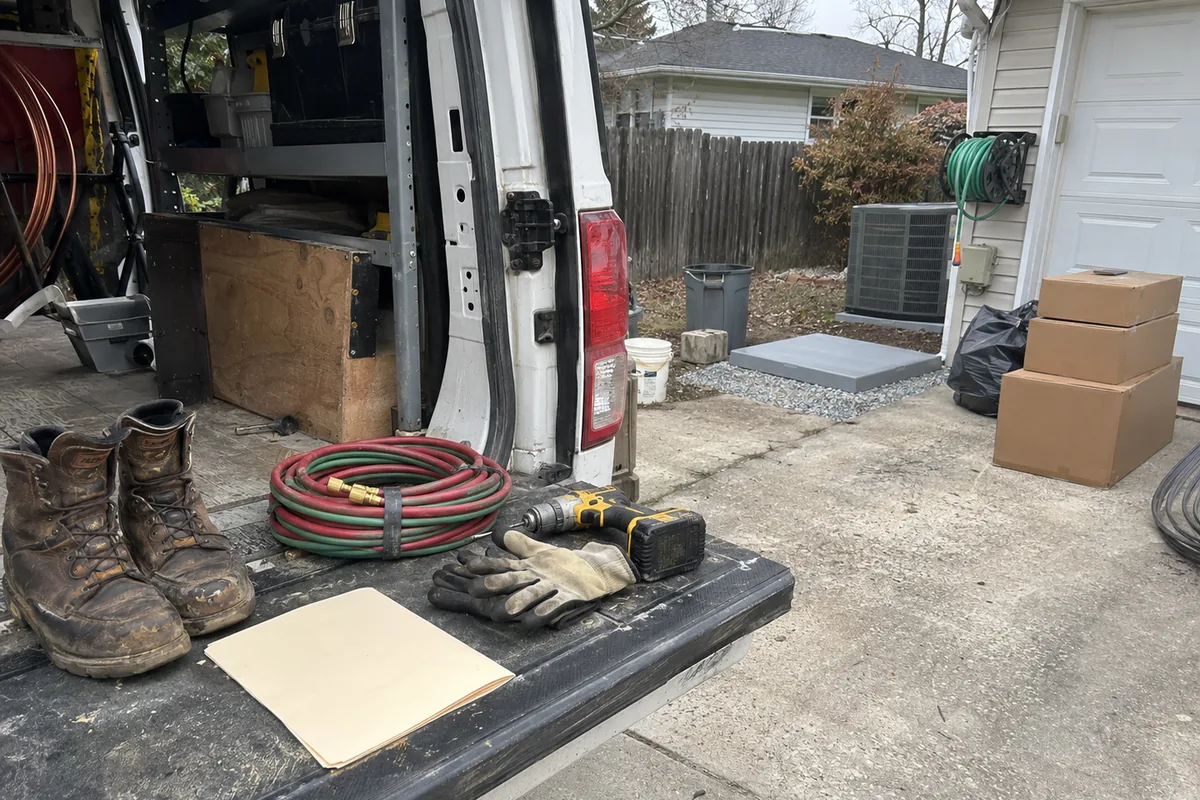
- Does the crew carry its own tools and truck?
- Does it carry its own insurance, with a certificate of insurance on file?
- Does it hold its own license where required?
- Can the crew take work from other contractors, and does it actually do so?
- Is the crew paid per job on its own invoice?
- Can the crew make or lose money on the job?
- Does the crew wear the shop’s uniform?
- Has it worked only for the shop for months?
Dial 72 answers calls 24/7, books estimate and install walkthroughs on the shop’s calendar, and texts the owner a summary of each call with the address and what the caller needs. That same summary is typically what the office forwards to a crew. It is a dispatch record showing who is directing the work, so know what your own dispatch trail says about control.
If the honest answers point to employee status, moving the crew to W-2 or restructuring the relationship is a conversation with an employment lawyer or CPA. Employees bring their own rules, from overtime math on commission pay to apprentice pay, so price that in before you decide. Your hiring packet is under pressure from the same direction, as the technician noncompete fight shows. If a crew stays independent, keep its certificate of insurance current on file.
Review the crew before the next dispatch
Do not wait for the federal proposal to become final. Pull the last several dispatch records, invoices, payment records, and insurance documents for each 1099 crew. Compare the written agreement with the way the office actually schedules, directs, pays, and presents the crew.
The strictest applicable test controls your exposure. This article is not legal advice.