TL;DR: A real maintenance inspection covers controls, electrical measurements, moving parts, drains, coils, airflow, refrigerant, and heating safety checks. Inspection and repair are separate services with separate prices.
A caller asking for an hvac inspection may mean a maintenance visit or a home sale inspection. Those are different services. A home inspector evaluates the property for a sale. Your technician checks and evaluates the HVAC system, then recommends corrective action.
When shops review call logs after a spring or fall rush, they see the same pattern. A caller asks, “How much for an inspection?” The answer is “It depends,” and the caller hangs up. The next shop gives a one sentence scope and books the visit.
What an HVAC inspection covers first: controls, power, and drainage
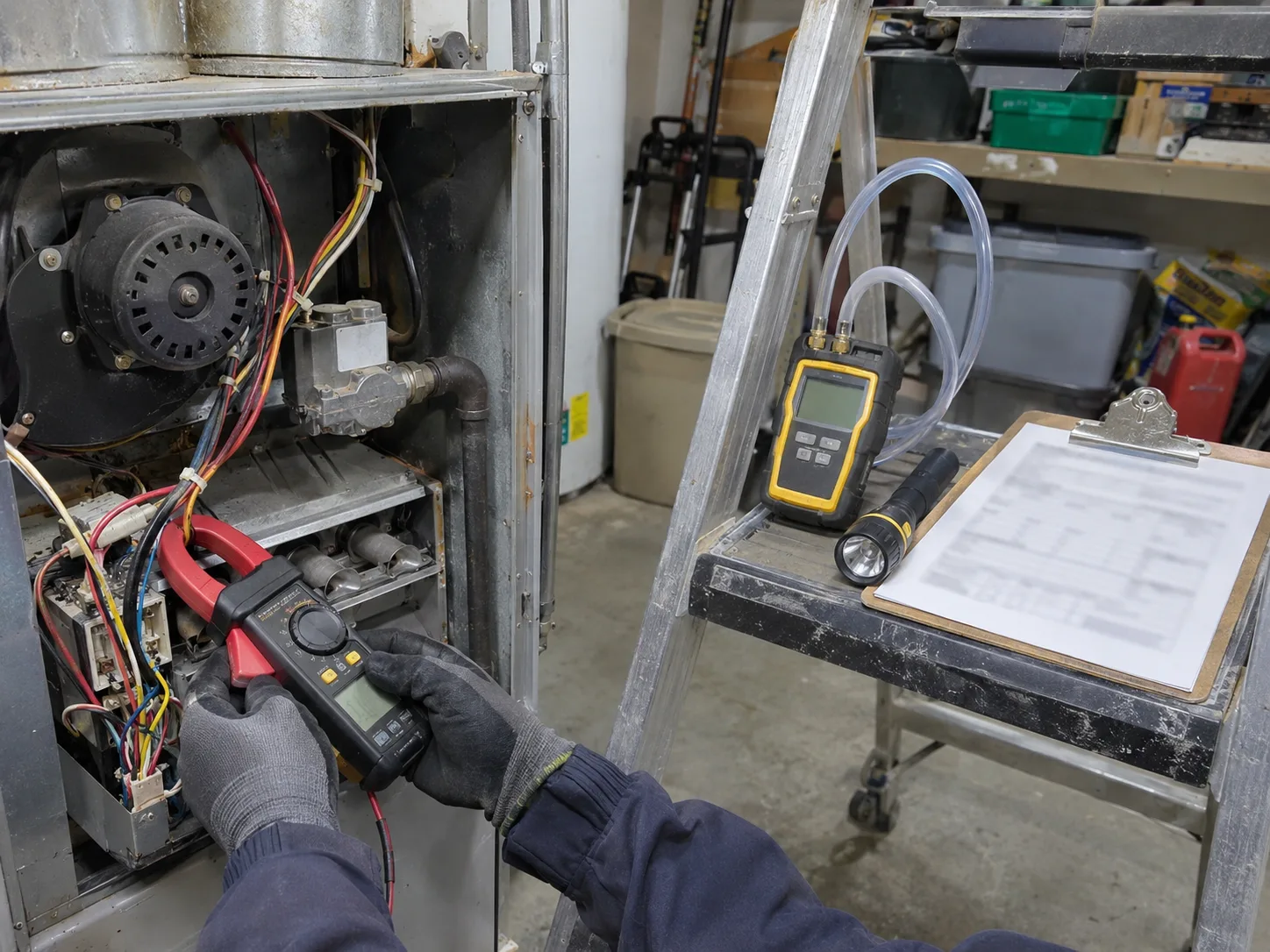
ENERGY STAR says a typical maintenance checkup should include checking thermostat settings, tightening electrical connections, and measuring voltage and current on motors. The technician should lubricate moving parts, inspect the condensate drain, and check system controls, including the starting cycle.
Those are inspection tasks, not repair promises. If the technician finds a loose connection, a blocked drain, or a control problem, the customer should receive a separate recommendation and repair quote.
ANSI/ACCA 4 QM, Maintenance of Residential HVAC Systems, sets the consensus standard for minimum inspection tasks for residential maintenance. The edition was published April 3, 2019, and reaffirmed by ANSI on August 7, 2024. The current citation is ANSI/ACCA 4 QM 2019, reaffirmed 2024.
The standard is voluntary and free from ACCA. It is a floor, not a complete service program. It describes inspecting and evaluating the system, then recommending corrective action. Inspection and repair remain separate items with separate prices. The ANSI/ACCA 4 QM guide covers that standard in more detail.
Cooling checks need coils, airflow, and refrigerant findings
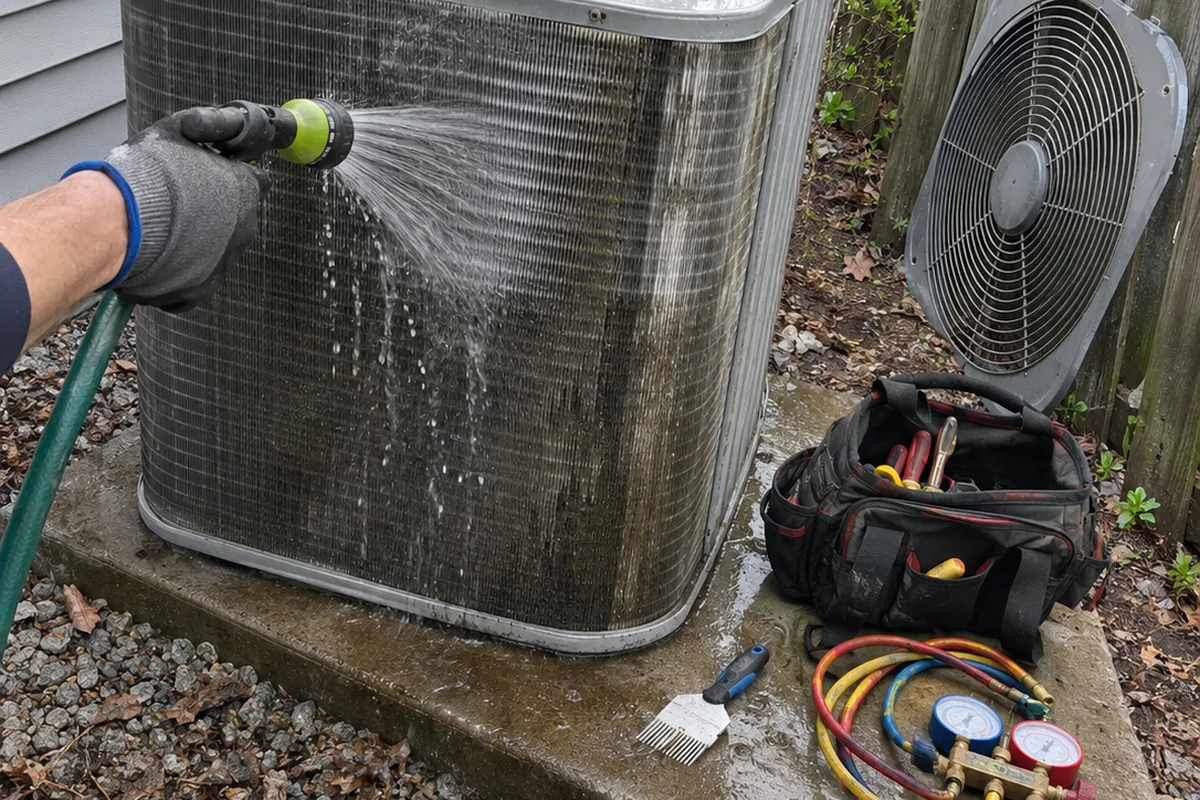
For cooling equipment, ENERGY STAR lists cleaning the evaporator and condenser coils, checking refrigerant level and adjusting it if necessary, and cleaning and adjusting blower components.
Airflow needs a specific answer in your inspection report. ENERGY STAR says airflow problems can cut efficiency by up to 15 percent. A technician who records a measured result gives the customer a useful record. A note that says “checked, OK” gives the customer an adjective.
Recorded superheat, subcooling, or static pressure values are records. A combustion analysis reading is also a record. For gas furnace testing, use the combustion analysis reference.
Heating inspections include combustion and the heat exchanger
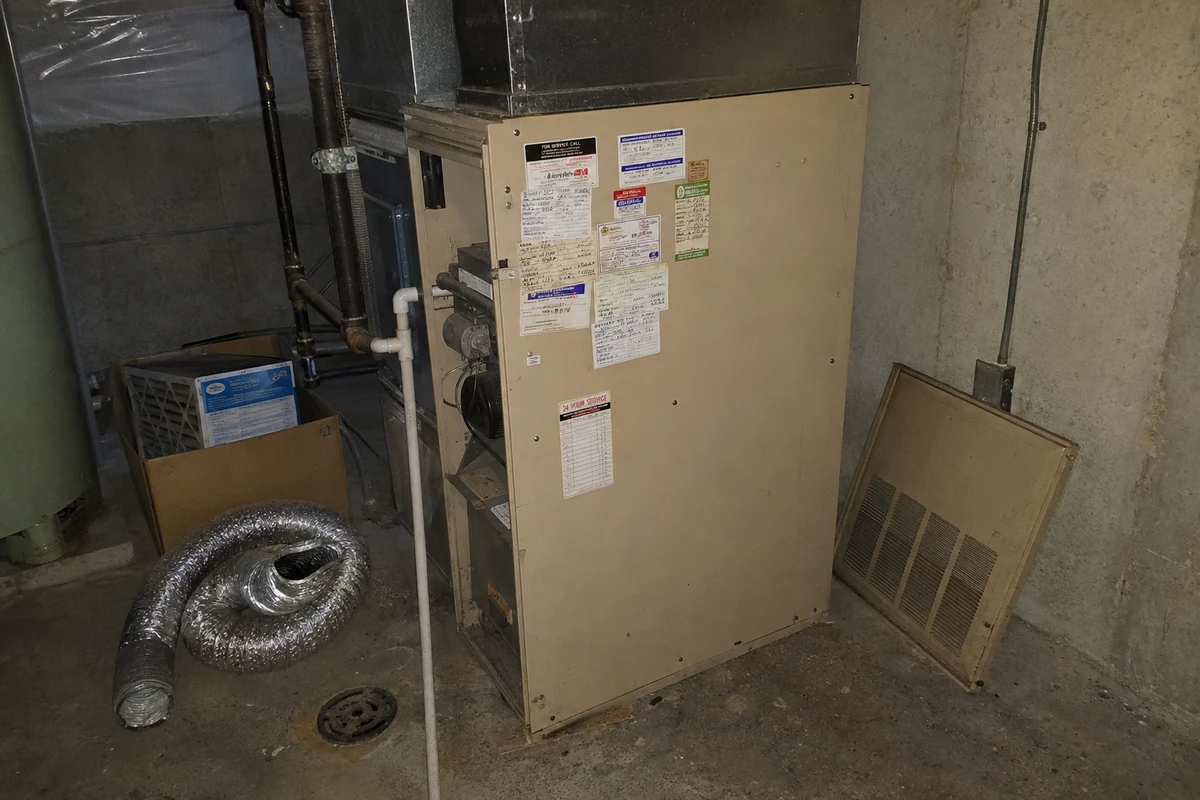
ENERGY STAR says a heating check should include all gas or oil connections, gas pressure, burner combustion, and the heat exchanger.
A dirty burner or cracked heat exchanger can cause improper burner operation. That finding needs to be stated plainly. It also needs to stay separate from the inspection fee if further work is recommended.
ENERGY STAR recommends annual pre season checkups by a contractor. Schedule the cooling system in spring and the heating system in fall, before contractors get busy when summer and winter arrive. Homeowners should inspect, clean, or change air filters monthly.
Your phone answer should name the scope before the price
Your shop should decide the inspection price and scope before the phone rings. The caller should hear what the visit covers, what the technician will record, and what is not included.
A clear answer can say that the visit checks system operation, controls, electrical measurements, drainage, coils, airflow, refrigerant, and heating safety items when applicable. Repairs are quoted separately after the findings.
State what is not included. Cleaning, repairs, and parts should not be assumed to be part of an inspection. Put the inspection on its own line and quote corrective work separately.
You can package the service as a spring cooling inspection and a fall heating inspection. Sell those as two visits or as one membership. If you offer a maintenance plan, explain how members are recognized and handled. Our post on maintenance plan renewals covers that side.
A written findings report makes the scope visible after the call. Include measured readings where applicable. The customer can see what the technician checked and what needs attention.
Ask which inspection the caller means
The first useful phone question is simple: “Do you mean HVAC maintenance, or a home inspection for a sale?”
If the caller means maintenance, give the one sentence scope and explain that repairs are separate. If the caller means a home sale inspection, clarify that a home inspector handles that service.
That question prevents the wrong appointment from reaching the calendar. It also gives your dispatcher a clean path to the right service.
Dial 72 answers 24/7 in English and Spanish. An inspection question that arrives at 9 pm in March gets your shop’s scope sentence and a calendar booking instead of voicemail. You receive a text summary of the call. Maintenance member recognition lets the call be handled as a member call. If the caller describes no heat, a gas smell, or a CO alarm, Dial 72 escalates it as an emergency instead of booking an inspection. See how Dial 72 works and pricing.
Quick answers
What does an HVAC maintenance inspection cover?
It covers controls, electrical connections and measurements, moving parts, the condensate drain, starting controls, coils, refrigerant, blower components, and heating safety items when applicable.
Are repairs included?
No. Inspection and repair are separate items with separate prices. State whether cleaning, repairs, and parts are excluded.
How often should inspections happen?
ENERGY STAR recommends a cooling check in spring and a heating check in fall. Homeowners should inspect, clean, or change air filters monthly.
What should your shop change now?
Choose the inspection scope and price before the next call. Put the inspection on its own line, quote repairs separately, record measured findings, and ask whether the caller means maintenance or a home sale inspection.