TL;DR: ENERGY STAR tells homeowners to schedule cooling checks in spring and heating checks in fall, before contractors get busy. Fill those shoulder-season weeks by booking maintenance during peak calls, calling members first, answering every call, and responding quickly to replacement inquiries.
ENERGY STAR is already sending homeowners to your slow weeks
ENERGY STAR’s maintenance checklist tells homeowners to schedule annual pre-season check-ups with a contractor. Contractors get busy in summer and winter, so the recommendation is simple: check the cooling system in spring and the heating system in fall.
It also suggests timing those check-ups around the spring and fall clock changes. A federal program is telling homeowners to book you during the HVAC slow season. Most shops do not turn that advice into scheduled work.
That gives you a ready-made reason to contact past customers. You are not inventing a special. You are following the timing homeowners have already been given.
Book the shoulder season while the schedule is full
The best time to fill quiet weeks is during the busy season.
When a tech finishes a summer no-cool call, the homeowner is paying attention to the system. Offer to put the fall heating check on the calendar before the call is closed. Do the same in winter for the spring cooling check.
The schedule for quiet weeks gets filled during busy weeks. Your team should make the next seasonal visit part of the conversation while the system problem is still fresh.
The first heat wave also sets up the next shoulder season. Use the same thinking behind surviving the first heat wave, then give the customer a clear next appointment before the peak ends.
Use the clock change as your reminder date
ENERGY STAR already points homeowners toward the spring and fall time changes. Use that timing in your own reminders.
Send a text or postcard when the clocks change and offer the appropriate seasonal check-up. The homeowner may already recognize the advice. Your message simply gives them a direct way to schedule.
The calls around the time change have their own pattern, as covered in thermostat clock change calls. Make the reminder easy to act on. Give the customer a phone number, a simple reason to call, and a choice between scheduling now or asking for a callback.
Do not bury the message under a discount. The reason is the season, the contractor’s availability, and the chance to catch maintenance before the system is needed every day.
Call maintenance members before waiting for the phone to ring
Maintenance-plan members already expect a seasonal visit. They should be the first list your team works when the calendar opens up.
Call them during the first quiet week and offer to schedule the visit. A member who has not called yet is still a scheduled opportunity. Waiting for every customer to remember on their own leaves work sitting in your database.
Your renewal process matters here. The work in maintenance plan auto renewal keeps members on the plan, but the next step is getting the seasonal visit on the calendar.
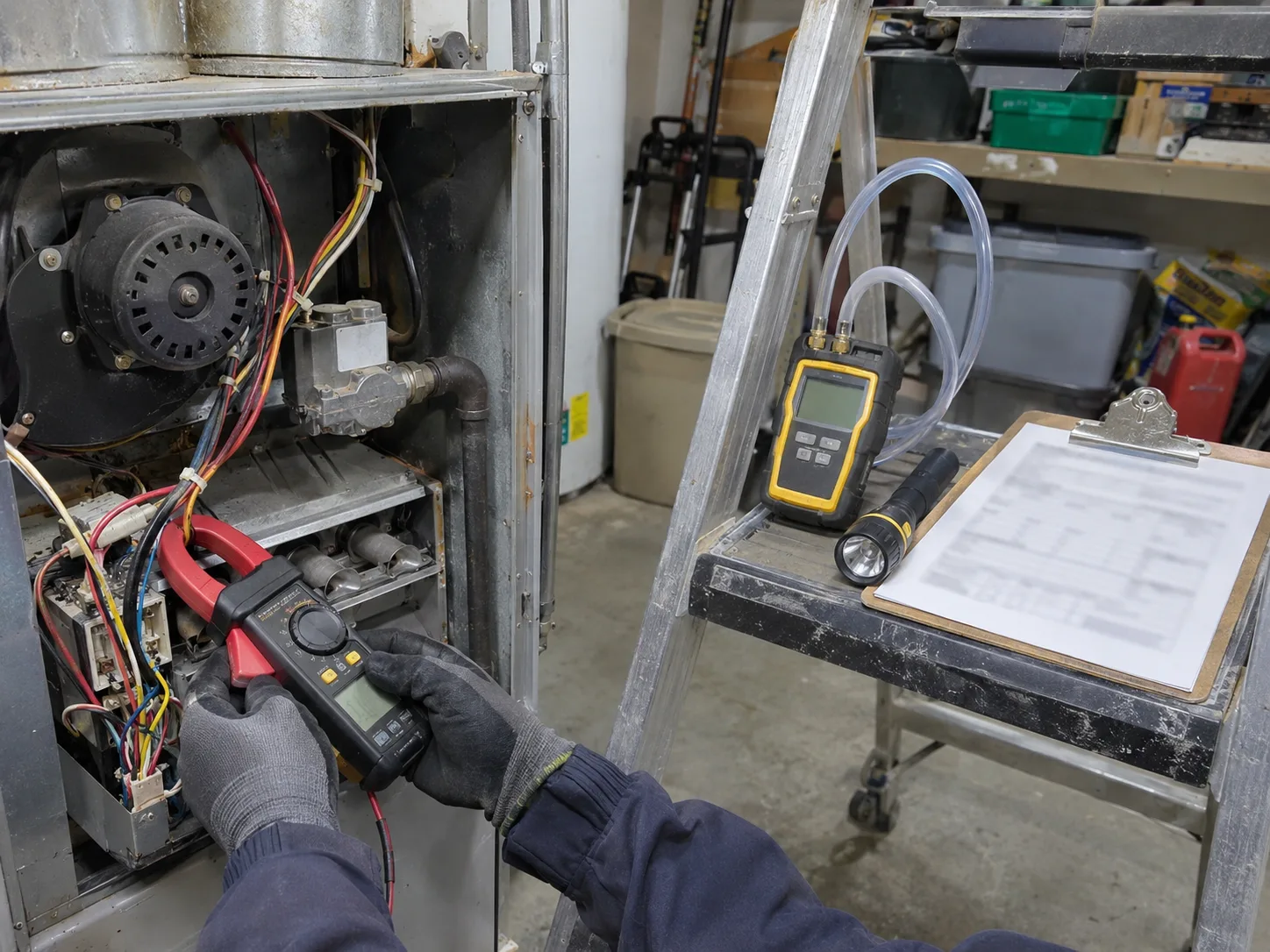
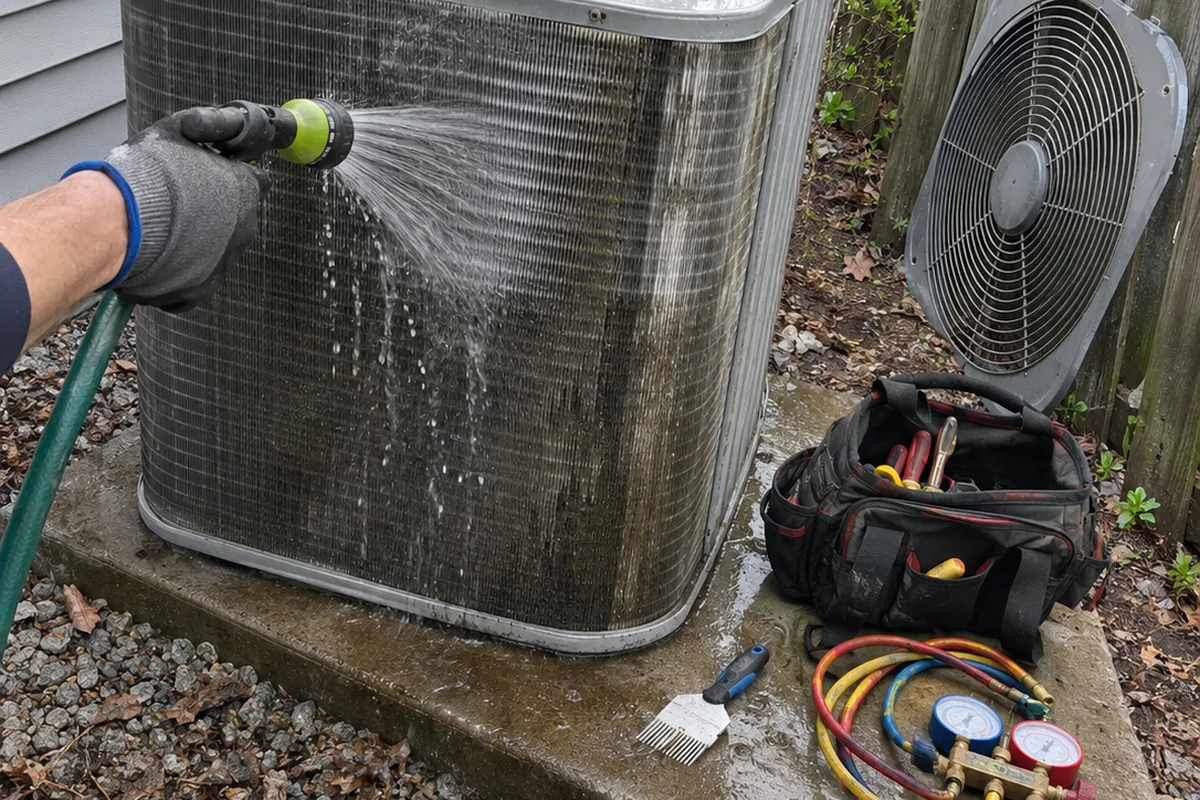
ENERGY STAR’s checklist gives your team a clear service conversation. A check-up can include thermostat settings, electrical connections, motor voltage and current, moving parts, the condensate drain, and system controls. For cooling, it lists evaporator and condenser coils, refrigerant level, and blower components. For heating, it lists gas or oil connections, gas pressure, burner combustion, and the heat exchanger.
ENERGY STAR also says airflow problems can reduce system efficiency by up to 15 percent. It tells homeowners to inspect, clean, or change filters once a month, and says the contractor can show them how.
Replacement questions deserve the fastest callback
In shoulder-season call summaries, the mix shifts. The no-heat and no-cool emergencies mostly disappear. What remains are planning calls.
A homeowner whose system is near the end of its life asks about a replacement quote. Someone wants a second opinion on an estimate. A maintenance member asks when the tune-up is due. There are fewer calls, but a bigger share of them are worth real money. They also tend to arrive while the owner is on a roof or under a house.
A homeowner who is not facing an emergency has time to compare quotes. That makes the call valuable, but it also gives the customer time to call someone else. The owner or comfort advisor should respond personally and quickly.
The process in winning replacement leads starts with identifying the inquiry and getting the right person involved. Do not let a replacement question sit in a general voicemail box until the busy season returns.
Keep the phone answered when the shop gets quiet
Many shops cut office hours or let calls roll to voicemail during slow weeks. The owner is often on a job, so the call goes unanswered at the exact time the shop has room to take the work.
Dial 72’s AI receptionist, Bella, answers 24/7. When a caller says something like “just want the spring tune-up scheduled,” Bella books it straight into the shop’s calendar while the caller is on the line, then sends a confirmation text.
Bella recognizes maintenance-plan members for priority scheduling. When a caller asks about replacing an old system, she flags it as a high-value replacement lead and asks when the owner can call back personally. The owner gets a call summary by text after every call.
Calendar integrations include ServiceTitan, Housecall Pro, Jobber, and Google Calendar. That closes the gap covered in the HVAC business callback gap, when a missed call turns into a missed opportunity.
Use the quiet weeks to prepare for the next peak
Keep the remaining slack work short and practical. Train the team. Restock trucks and vans. Review last season’s missed calls and find the ones that should have received a callback.
Use van stock for the first cold week as a reminder that preparation belongs before the next rush, not during it.
This week, pull the maintenance-member list, set reminders around the next clock change, and ask every peak-season customer about the next seasonal check. Make sure every call reaches a live answering system, and route replacement questions to the owner or comfort advisor for a personal callback.