
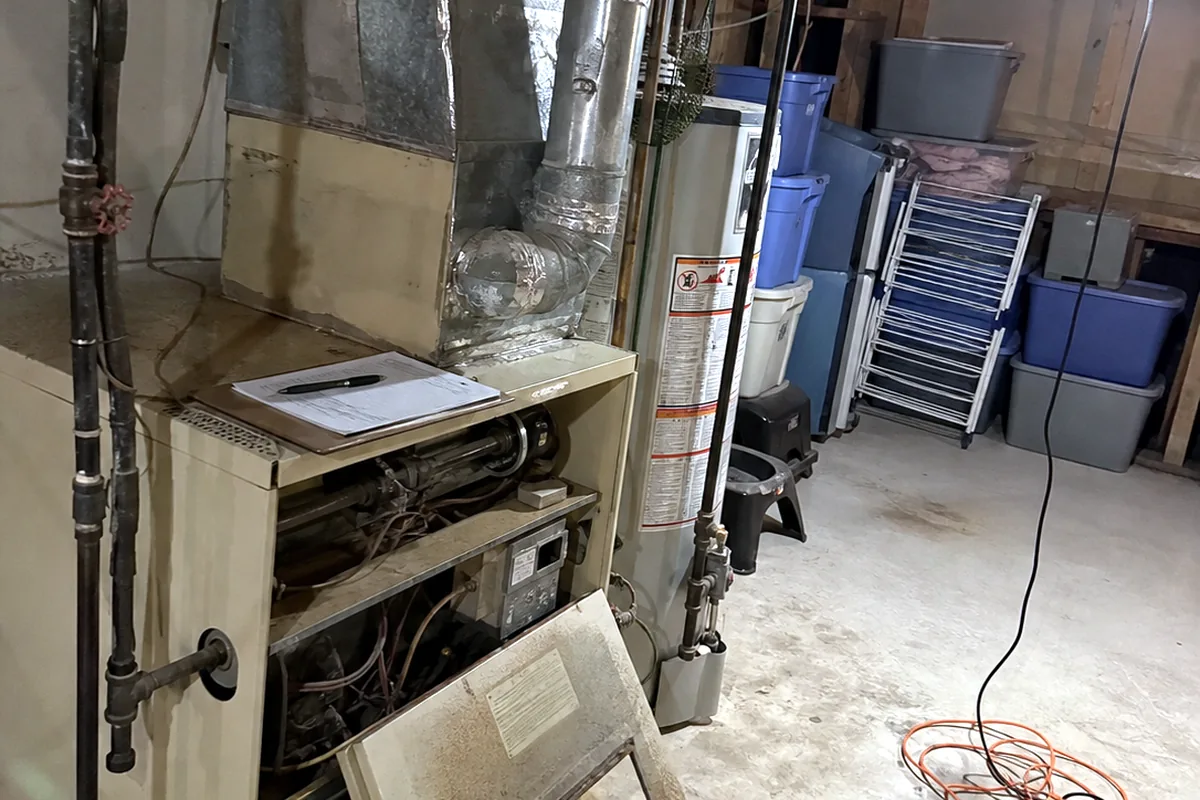
Somebody’s furnace is nineteen years old. It still runs. It just runs badly enough that they’ve started saying the word “replace” out loud, and this week they finally sat down and called three shops to get quotes.
Whoever has a real conversation with that homeowner first is going to win that job. Not the cheapest quote. The first one that felt like talking to a company that wanted the work.
This is a story about a shop that kept losing that race without knowing it was in one.
The shop that was busy and still leaving money out
Three trucks, residential, good reputation, mostly repair work. From the outside it looked healthy. Calls got answered during business hours, the techs were good, reviews were fine.
The thing the owner couldn’t explain was the mix. Service tickets were steady. Replacement and install work, the biggest job the shop ever writes, was a trickle. He assumed it was pricing, or the market, or that his estimates were losing to lowballers.
It wasn’t any of that. He was losing on the first phone call, and losing so quietly that nothing in his numbers showed it.
Why replacement callers behave differently
A no-heat emergency and a replacement inquiry are the same phone call to your system and completely different animals to the customer.
The no-heat caller is desperate. They want anyone, now. The replacement caller is shopping. They are calm, they are not in a hurry, and they are going to call three or four shops in one sitting on a Saturday afternoon.
That difference matters because of a number this trade already knows: 85% of callers who can’t reach you never call back. For a desperate caller, that means you lost one job. For a replacement shopper, it means something worse. They didn’t just skip you. They filled their calendar with two in-home estimates from the shops that did pick up, and by the time you returned the voicemail on Monday, the decision was three-quarters made without you in the room.
And these calls land where you’d expect. 62% of HVAC calls come after 5 p.m., on weekends, or on holidays. Saturday afternoon is exactly when a homeowner sits down to deal with the furnace they’ve been avoiding all year.
What actually changed
The shop moved to the Growth tier and, more importantly, wrote down a rule it had never made explicit: a replacement inquiry is not a routine call.
Bella triages it as its own category. When a caller says some version of “our unit is nineteen years old and we want a quote,” she doesn’t take a message and she doesn’t drop it into the regular service queue behind six filter changes. She treats it as a high-value lead: asks how old the system is, what’s failing, whether they’re getting other quotes, and what their timeline looks like. Then she offers to put the in-home estimate on the calendar right there, and flags the owner for a priority callback.
That last part was the whole fix. The owner wants to make those calls personally. He always did. He just never knew they had happened until Monday.
The math is a ratio, not a number
Here’s the honest version of the numbers, because the exact figures depend on the shop.
An average residential service call runs about $180. A full system replacement is the biggest ticket a residential shop writes all year, and it is not close. One replacement is worth a stack of service calls, which means the leak the owner couldn’t see was costing more than his entire missed-service-call problem combined.
That’s the uncomfortable part of the story. He’d been focused on capturing more $180 tickets while the multi-thousand-dollar quotes were quietly going to whoever picked up the phone on a Saturday.
Since the change, the replacement inquiries that used to evaporate into a Monday voicemail now show up as a flagged lead with the system age, the symptoms, the competing-quote situation, and an estimate already on the calendar. He calls them back the same evening, warm, knowing what he’s walking into.
The honest caveat
Bella does not quote a replacement. She will not tell a homeowner what a new system costs, and she should not, because that number depends on a load calculation, the ductwork, and what a tech sees when he opens the panel. Trying to quote a five-figure job over the phone from a script is how shops get themselves in trouble.
What she does is win the race to the conversation, qualify the lead honestly, and hand the owner a callback worth making. The selling is still his job.
If your service board is full and your install board isn’t, the problem might not be your pricing. See how the triage sorts a replacement lead from a tune-up, or compare tiers on pricing.
