TL;DR: California has not adopted the HVAC sales reporting rule. If adopted as drafted, sellers would report each residential air conditioner, heat pump, and water heater sale to the CEC with the buyer’s license number or business ID, starting with 2027 sales.
California has not adopted the HVAC sales reporting rule
California’s Energy Commission is drafting a rule that would make distributors, wholesalers, retailers, and other sellers report residential air conditioner and water heater sales to contractors. The report would include the contractor’s name, address, CSLB license number or business ID number, equipment make and model, quantity, and month and year of sale.
Distributors say that goes too far.
The proposal is still at the Request For Information stage. The CEC opened docket 24-OIR-03 in October 2024. It issued a first RFI on July 2, 2025, a second on December 22, 2025, and a third notice with revised draft regulation text on June 9, 2026. Written responses were due July 24, 2026.
No formal rulemaking package has been adopted.
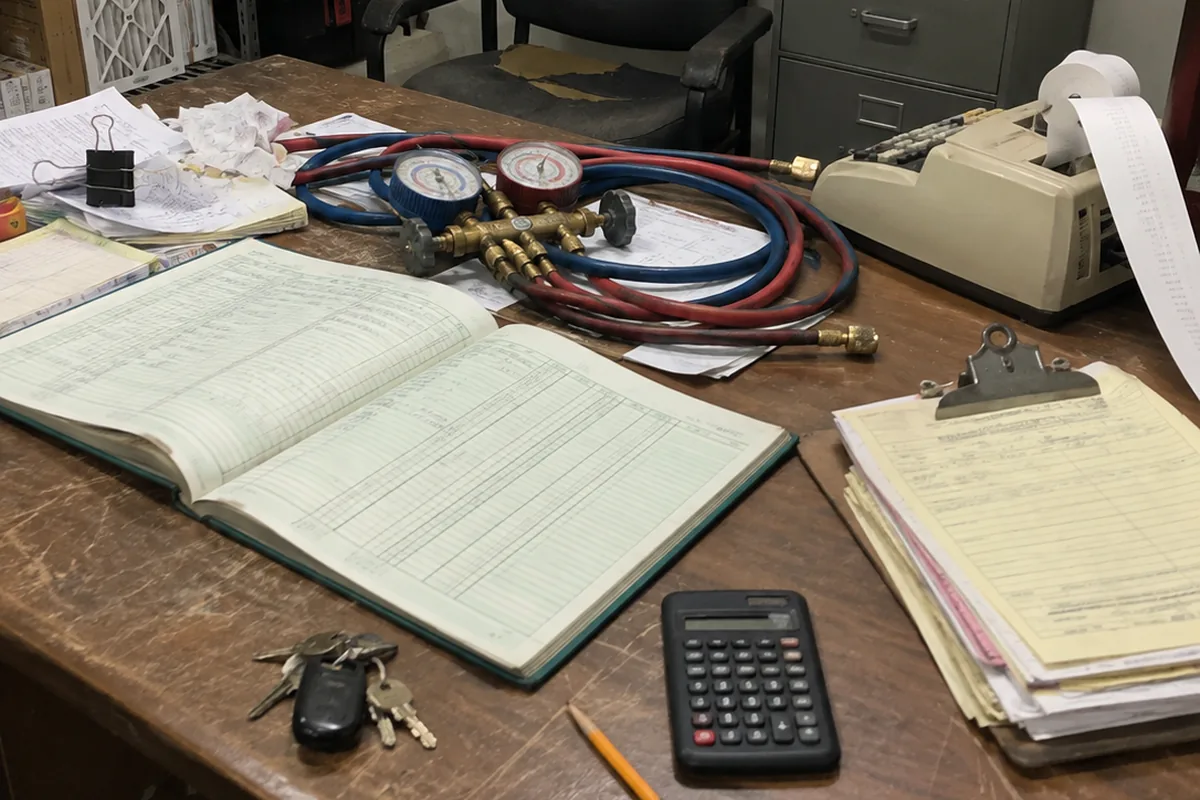
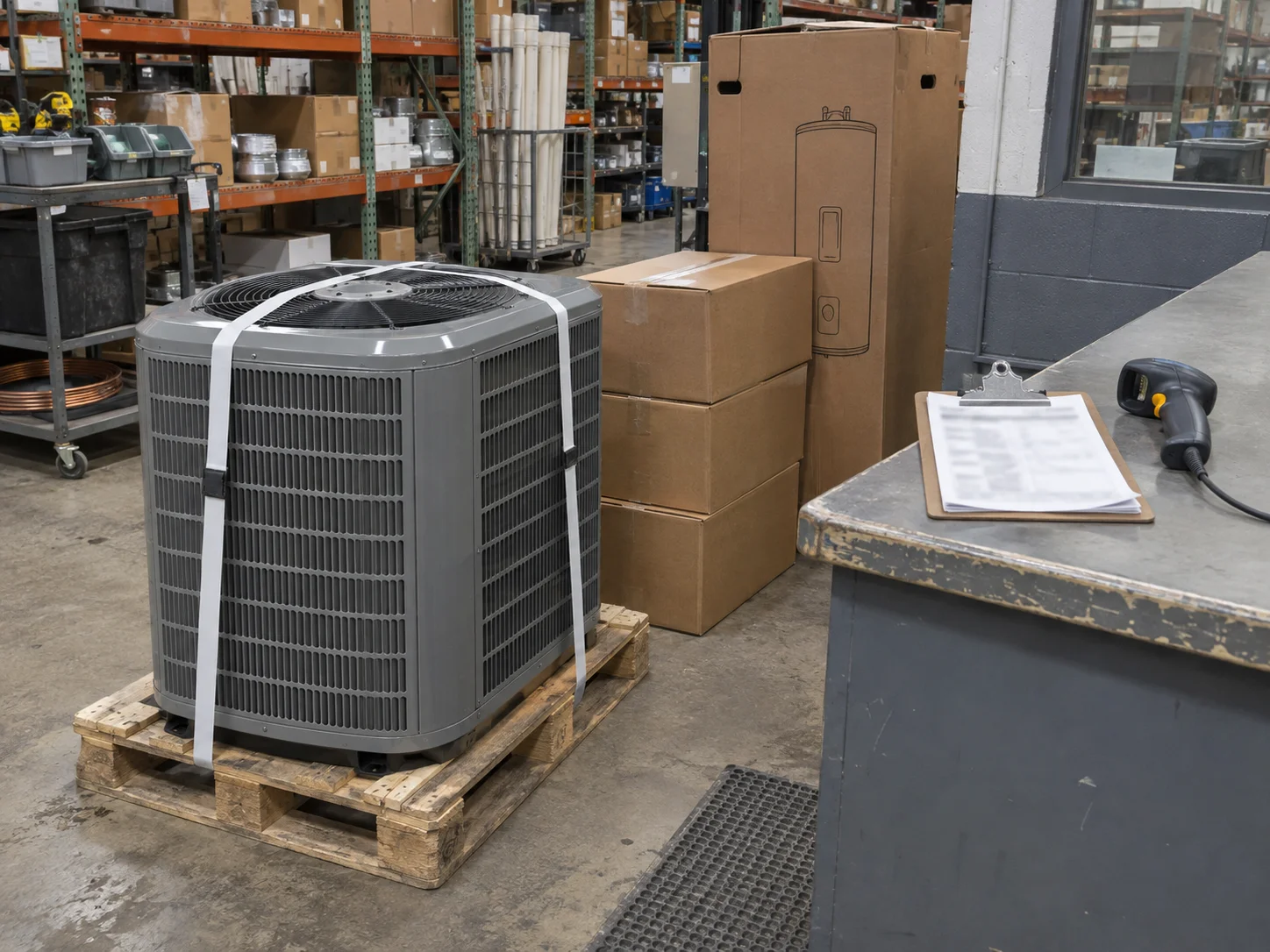
Picture a counter clerk who has asked for your account number for years. Under the current draft, that clerk might also ask for your license number every time you pick up a condenser. That is the practical change shop owners should understand now, even though there is nothing to file today.
The draft targets sellers, not contractors
The proposed rule would create a new Article 6 in California Code of Regulations Title 20, Division 2, Chapter 3, covering data collection.
The seller would file the report. The contractor would be the “reportable buyer” whose information appears in it.
The scope is limited to sales to contractors. California law defines contractor broadly as anyone who undertakes, offers, or claims the capacity to undertake the work, or bids on it. The draft covers licensed and unlicensed contractors.
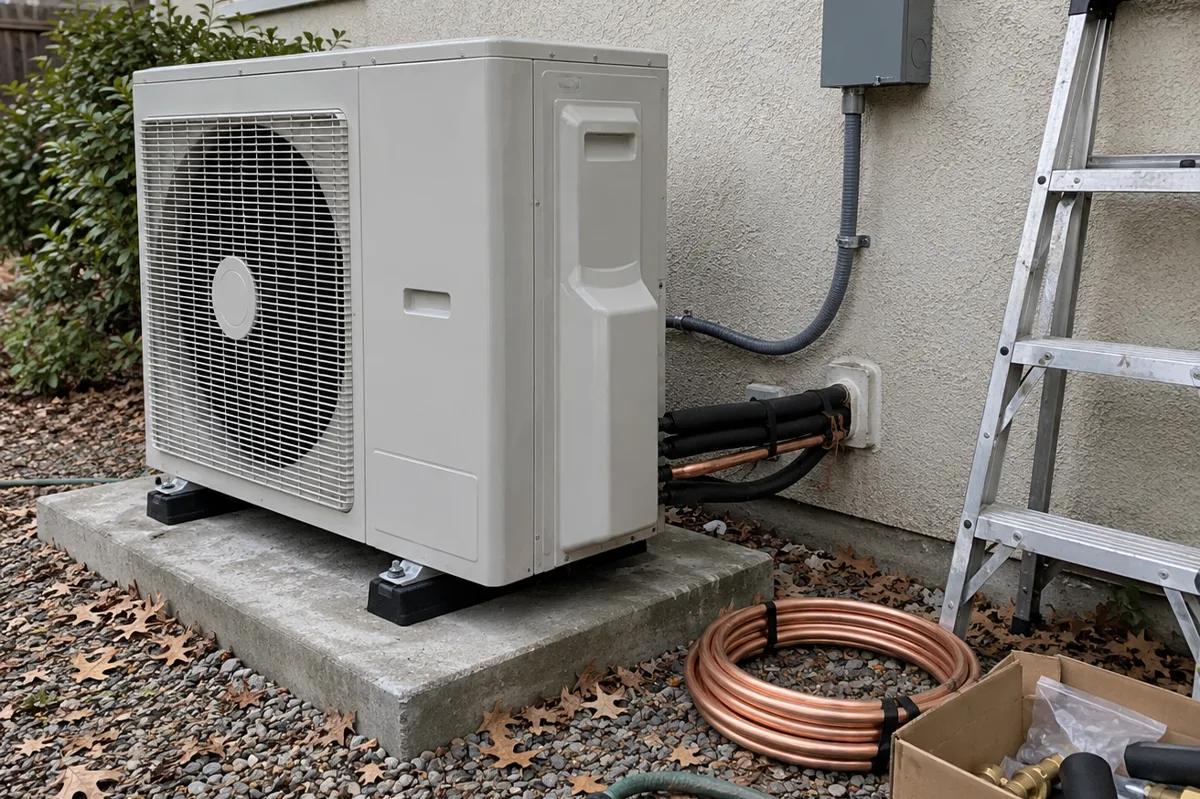
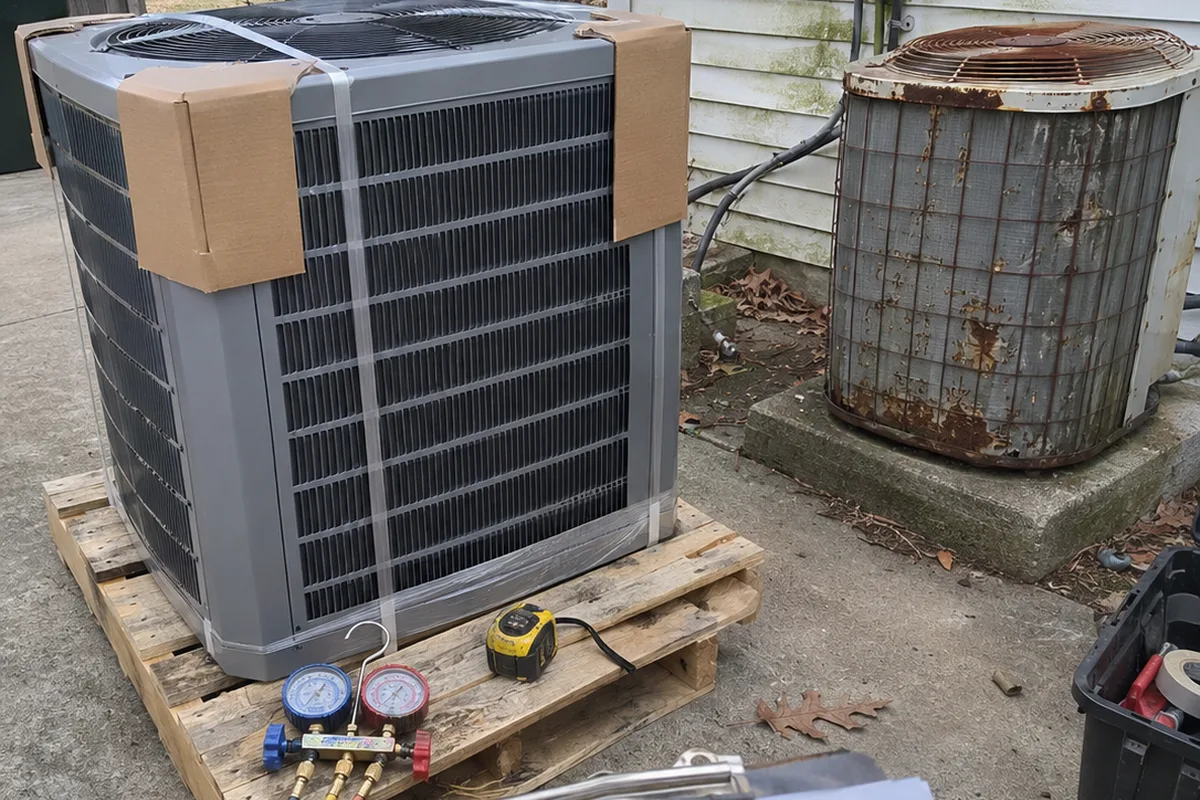
It includes residential air conditioning and water heating equipment, including heat pumps. It does not include products that only provide space heating, such as furnaces. Commercial and industrial equipment is outside the current draft.
The CEC staff wrote that it chose the sale to the installing entity as the single step likely to provide the most utility.
Serial numbers were removed from the draft. The reports would still be filed annually under penalty of perjury, and the CEC could issue civil penalties for inaccurate submittals.
The draft says reporting would begin with calendar year 2027. The first report would be due no later than March 31, 2028. Those dates belong to draft language, not an adopted rule.
Distributors object to customer lists and transaction records
HARDI, which represents more than 1,150 member companies, including more than 560 U.S. wholesale distributors, said it does not oppose useful, appropriately bounded data reporting.
It does oppose direct state collection of distributor customer lists, contractor identities, seller-level market share, OEM or brand information, model-level sales information, and transaction-level sales records.
HARDI said aggregated and anonymized data could meet the CEC’s needs. Its proposal would use an independent CEC-approved third-party aggregator. The CEC would receive county-level totals instead of individual transaction records. HARDI also proposed a safe harbor for reporting through an approved aggregator, including its own Unitary Market Intelligence Program.
HARDI said most of its distributor members are small businesses with confidentiality interests in contractor account lists.
The American Supply Association said the draft would place a significant and unnecessary burden on California members. ASA represents plumbing, heating, cooling, and piping distributors and manufacturers, with about 350,000 employees across 6,600 branches.
ASA said the cost estimates appear too low because the draft requires more than 30 data points for each reportable sale. It asked the CEC to move the first reporting year beyond 2027, provide a one-year grace period before penalties, allow reporting by model family, and hold another public workshop.
ASA also said terms such as masked, aggregated, and anonymized lack clear enforceable protections.
Earthjustice and NRDC want the CEC to keep the detail
Earthjustice and NRDC strongly support the CEC effort. Their joint letter said sales data is critical for energy demand forecasting, permitting compliance, and state climate progress.
They rejected the distributor aggregator proposal because anonymized data would prevent the CEC from seeing which contractors have equipment sales without matching permits. That permit connection is the central reason the dispute matters to HVAC shops.
The CEC’s stated goal is improving compliance with the California Energy Code so efficiency savings reach homeowners and tenants. The CEC cited a 20 to 30 percent increase in peak electricity needed by systems when installations lack quality control. Its notice also linked the problem to many contractors failing to pull building permits.
CEC staff added the month-of-sale field for incentive tracking. If an incentive program launches in March, sales from April through June could show whether the program worked.
Earthjustice and NRDC said the CEC already has authority to treat reported information as confidential and exempt from the California Public Records Act under Public Resources Code 25322(a). They also said HARDI cited no case of the CEC leaking market-sensitive data.
The groups asked the CEC to move to formal rulemaking, restore commercial equipment to the scope, add fuel type, capacity, and refrigerant fields, and require reporting at least twice a year during the early years.
Your permit history is the real issue
Nothing changes for your shop today. Contractors can still comment in docket 24-OIR-03. The next document to watch for is a formal rulemaking notice with a comment period.
If the rule is adopted roughly as drafted, your supply house would need your CSLB license number or business ID on each equipment sale. Keep your license number and business details consistent across every supply house account. Expect distributors to ask for that information at the counter.
The permit angle is direct. A shop that pulls a permit on every changeout has nothing to worry about from the matching process the CEC describes. A shop that skips permits is the shop this proposal is aimed at.
The draft includes unlicensed contractors as reportable buyers. It also covers air conditioners, heat pump condensers, and water heaters, but not furnaces. A furnace-only swap would not be in scope as drafted. That could change before adoption.
For related California permit and equipment rules, see Dial 72’s guides to the heat pump permit fee cap, the Bay Area water heater rule, and California HOA cooling rules. The same paperwork pressure shows up in contractor certificate of insurance requests and the California replacement deposit cap.
Put the right information in your accounts now
Do not file a CEC report. There is no adopted rule requiring that today.
Instead, check that every supply house has your current business name, address, CSLB license number, or business ID. Watch docket 24-OIR-03 for a formal rulemaking notice. When the notice appears, read the proposed reporting dates and comment deadline.
A shop owner who picks up a condenser on a busy install day may also get a call from a supply house or inspector asking to confirm license and business details. Dial 72 answers your shop’s phone 24/7 and texts you a call summary after every call, so that callback is captured instead of lost in voicemail. Dial 72 does not handle compliance filings.
That is the action for this season: keep your account data consistent, pull the permits your jobs require, and watch for the formal rulemaking notice.