
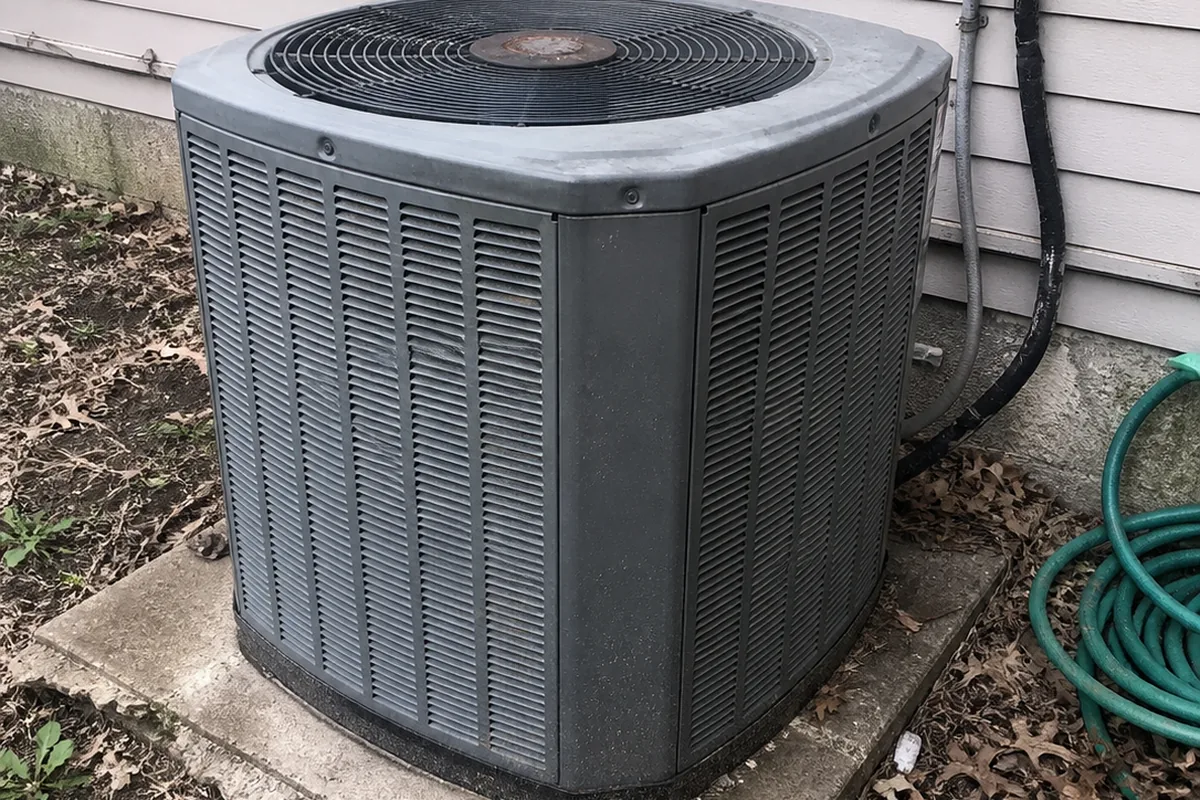
For most of the past year, every shop in the trade was planning around the same hard date: January 1, 2026, the day new installations of R-410A systems were supposed to become illegal under EPA’s AIM Act phasedown. That date has now passed, and the rule behind it changed. EPA finalized an update to its Technology Transitions Rule that removes that installation deadline for R-410A equipment manufactured or imported before January 1, 2025, effective July 27, 2026. If a unit was built before the cutoff, a contractor can still install it while pre-2025 inventory lasts.
That’s a real, material change to how this transition actually plays out on the ground, not a rumor from a supply house. It was covered by ACCA’s own trade blog and by outlets like ACHR News and Contracting Business as it moved through finalization this spring.
The timeline, so the change makes sense
The AIM Act’s phasedown of high-GWP refrigerants set a few distinct milestones, and it’s easy to blur them together:
- January 1, 2025: Manufacturers could no longer build new residential and light-commercial AC and heat pump equipment using R-410A. This part didn’t change. Every unit rolling off a factory line since then uses a lower-GWP refrigerant, mainly R-454B.
- January 1, 2026 (the deadline that got lifted): The original rule also barred installing any new system with a refrigerant GWP above 700, R-410A included, regardless of when it was manufactured. That’s the date EPA just walked back.
- July 27, 2026: The date the revised rule actually took effect.
So the manufacturing ban stayed exactly where it was. What changed is the fate of R-410A equipment that was already built and sitting in distributor warehouses when the calendar flipped. Under the original rule, that inventory would have become unsellable and uninstallable on January 1, effectively stranding it. The revised rule lets it get installed until it runs out.
What this means for a shop, practically
You’re not sitting on illegal inventory. If your shop or your distributor has pre-2025 R-410A units on hand, they’re still legal to install under the federal rule, for as long as that stock lasts. Nothing needs to be scrapped or shipped back.
The A2L transition didn’t go away, it’s just less abrupt. Every new unit a manufacturer builds today already uses a lower-GWP refrigerant. The tools, training, and code questions around A2L refrigerants (left-handed fitting threads, A2L-rated leak detectors, the ASHRAE 15.2 installation clearances) are still coming for any shop that wants to install current-production equipment. This rule change only affects the runway for older stock, not the destination.
Check your state, not just the federal rule. A few states set their own, stricter refrigerant rules independent of EPA, and some of those haven’t matched the federal reprieve. A shop working across state lines, or in a state with its own HFC rule, needs to confirm the local requirement before assuming the federal change applies.
Don’t plan your next 12 months off a blog post, including this one. Federal refrigerant rules have moved twice in two years. ACCA’s education page and refrigerant-transition resources track the current requirement in more depth than any single article can, and they’re the group actually in the room for the next round of changes. Worth a bookmark if your shop still touches R-410A equipment.
The part that doesn’t change
Every refrigerant era in this trade has ended the same way: what’s on the truck stops matching what’s on the market, and shops that plan the changeover ahead of time keep working through it without a scramble. The refrigerant changes. Getting to the house on time doesn’t.
