TL;DR: A high heating bill alone is not a repair order. Ask what fuel heats the home, whether the bill rose because of rates, weather, or run time, and whether the house is holding temperature before you send a truck.
Most high bill calls arrive after the cold snap
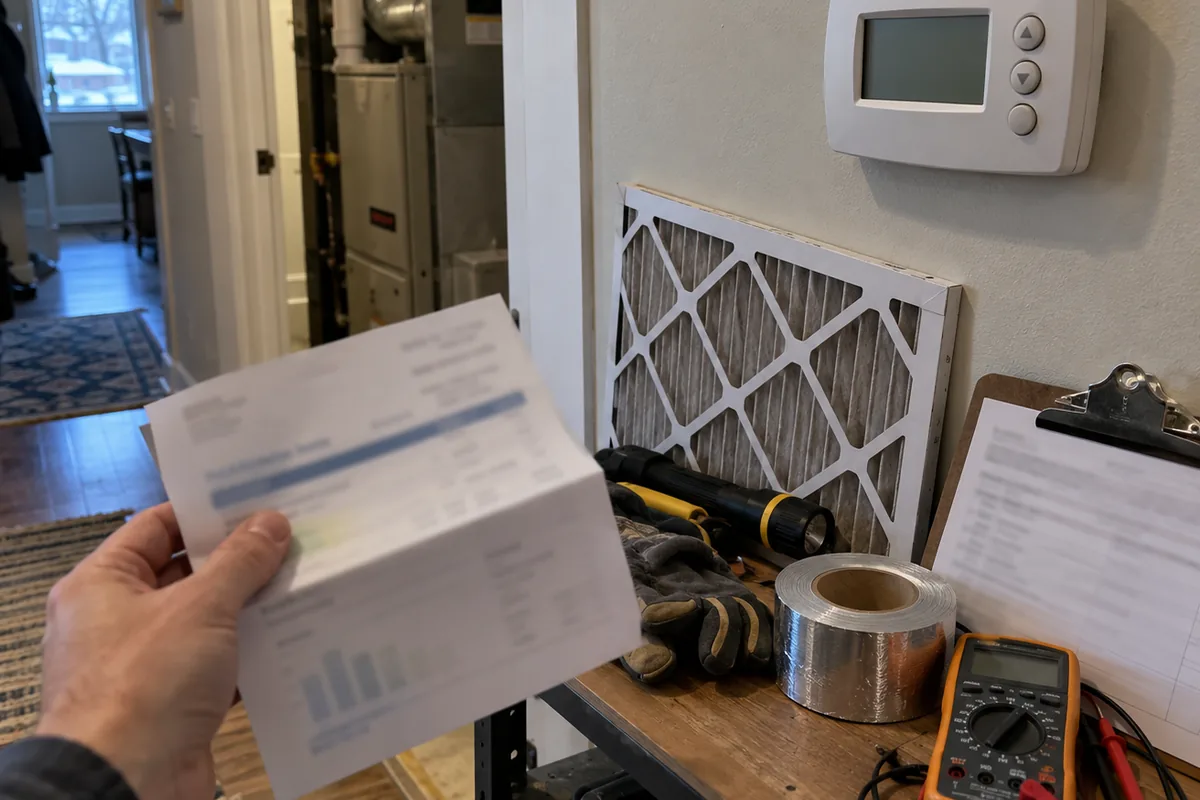
These calls tend to arrive in a wave a week or two after a cold snap, when utility statements land, not during the cold itself. The caller is often not describing a broken system. They are describing a surprising number.
Dispatchers who treat the call as a complaint about the shop do worse than dispatchers who treat it as a question. Start with the fuel and the condition of the house. The answer may be on the utility bill rather than inside the equipment.
The U.S. Energy Information Administration Winter Fuels Outlook, published October 6, 2026, forecasts these average household winter heating season costs:
- Natural gas: $640, down 9% from last winter. The gas price forecast is $13.44 per thousand cubic feet, also down 9%.
- Electricity: $1,196, up 4%. The forecast price is 18.23 cents per kilowatt-hour, up 3%.
- Propane: $1,246, down 3%, at $2.52 per gallon.
- Heating oil: $2,115, up 21%, at $5.26 per gallon. The heating oil price is up 34%.
Those are national averages, not a promise about one customer’s bill. They give your dispatcher a factual starting point when a caller asks, “Why is my heating bill so high this winter?”
The fuel source changes the answer before you discuss the equipment
Gas and propane households, about half of U.S. homes, should spend less this winter under the EIA forecast. More than 40% of homes heat with electricity, and those households are forecast to see a 4% increase in bills. Heating oil households face the largest increase.
Ask the first question plainly: “What fuel heats the house?” The answer should be gas, electric, heat pump, oil, or propane.
Do not treat every electric heating bill as a heat pump issue. The U.S. Department of Energy says most U.S. homes that heat with electricity use older electric resistance heat. That type of heat needs at least twice as much energy as a heat pump to keep a house warm.
The EIA report gives no heat pump specific figures. You should not quote a heat pump cost from that report. You can explain that when outdoor temperatures fall low, a heat pump may use auxiliary or backup electric heat strips. Those strips use a lot of electricity. If the caller says backup heat seems to stay on, use your existing explanation of why auxiliary heat may run too often.
Weather can raise the bill even when the system is working
The EIA forecasts about 3,155 national heating degree days, unchanged from last winter. The national number hides a large regional swing. Heating degree days are forecast to fall 12% in the Northeast and rise 25% in the West. The West is expected to be much colder. The Northeast is expected to be milder.
That gives you a direct response when a caller says the equipment sounds normal but the bill jumped. Ask whether neighbors’ bills also rose. Ask whether the system runs nonstop or cycles normally.
A regional weather shift can affect run time without proving a mechanical failure. The caller’s bill can also reflect the rate charged for fuel or electricity. Ask whether the increase came from the rate, the weather, or the hours the system runs. Do not assign the cause to equipment before asking those questions.
A comfortable house usually does not need a repair visit
Ask the third question: “Is the house actually comfortable?”
If the house holds temperature and nothing is noisy, icing, or short cycling, the bill is usually tied to fuel price and weather, not equipment. A high bill alone is not a repair order. Tell the caller that honestly. Do not sell a replacement off one bill.
A truck roll is justified when the system runs constantly and the house will not hold temperature. It is also justified when a heat pump’s backup heat seems to be on all the time. Those symptoms point to a performance complaint rather than a bill question.
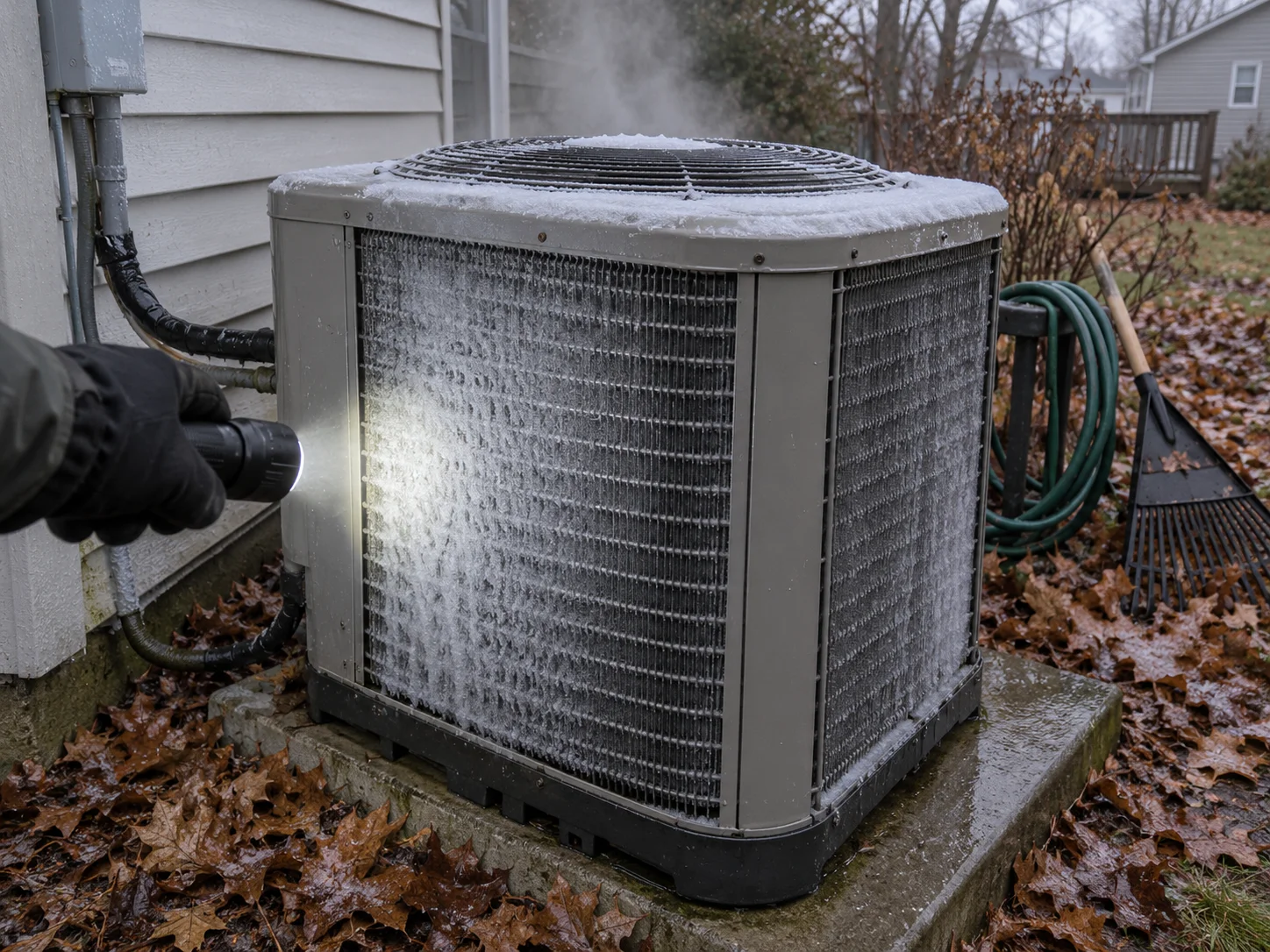
Frost also needs a specific question. A heat pump can frost and then defrost normally. When a caller reports ice, use the distinction between normal defrost and a frost call. If the caller has a real no heat condition, prioritize it. Those emergencies still come first, as outlined in the cost of a missed no heat call.
Your dispatcher should explain the fee before sending the technician
If the answers point to a visit, explain the diagnostic fee on the phone, before the technician arrives. The caller should know that the visit is for diagnosis, not a free opinion about a utility statement. Use this phone explanation of the diagnostic fee with your team.
The order matters. First identify the fuel. Then separate rate, weather, and run time. Then ask whether the house is comfortable. Only after that should the dispatcher decide whether the call belongs on the board.
Dial 72 answers the shop’s line 24/7, in English and Spanish. On a bill call, it asks what fuel heats the home and whether the house is holding temperature. It then texts the shop a call summary, so the shop can see “bill question, house comfortable” separately from “runs nonstop, house is cold.” Real no heat emergencies are escalated to the on call tech.
Change the script before the winter statements arrive. Have every dispatcher ask those three questions before rolling a truck, use the EIA fuel figures when the caller needs context, and reserve the visit for a house that will not hold temperature, equipment with a clear symptom, or a real no heat emergency.