TL;DR: If the burner quits within seconds, flame sensing is the first suspect. If it runs for minutes and the blower keeps running, think airflow and a high limit switch opening.
The timing tells you which lane to start in
A furnace that lights, runs briefly, and quits is not one phone diagnosis. The timing changes the first suspect.
When the burner drops out within seconds, start with flame sensing. When the burners run for a few minutes and then stop while the blower keeps running, think overheating and a high limit switch opening.
That is the first question your dispatcher should ask:
How long after the burners light does the furnace quit?
The second question is just as useful:
When it quits, does the blower keep running?
Those two answers point toward different parts and different truck stock.
A pattern shops see is simple. Call notes that say only “furnace shuts off” force the technician to ask the real questions on the driveway. Notes that carry the timing answer let the technician walk in knowing what to test first.
Seconds after ignition puts the flame sensor first
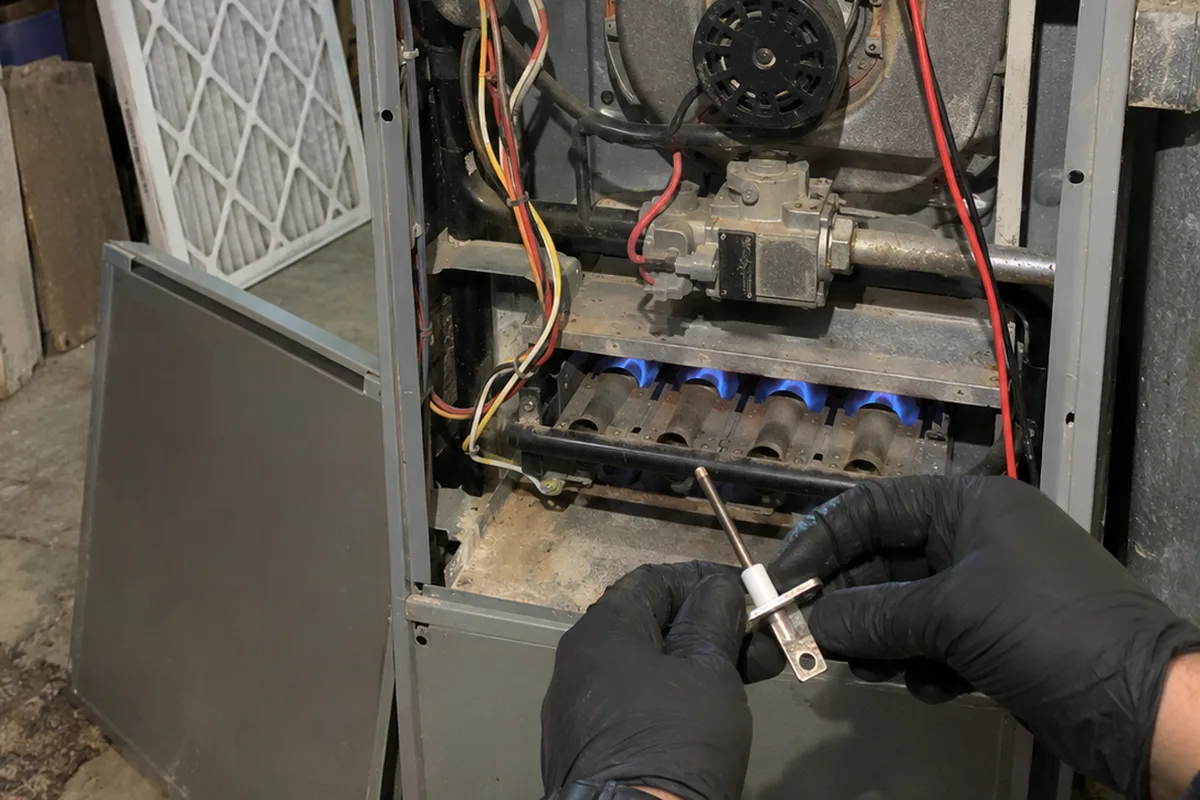
A flame sensor is a small metal rod. It carries a tiny current, measured in millionths of an amp, only when flame is present. If the control board does not see that signal, it closes the gas valve.
Lennox calls dirt buildup the most common cause of flame sensor problems. A quick cleaning is all it takes in most cases.
When a furnace “lights up for a few seconds and then cuts off,” a dirty rod is the first suspect. Short cycling and cold air from the vents can show up with the same problem.
The technician should clean the sensor and test the circuit against the manufacturer’s specification for that furnace. Microamp thresholds vary by manufacturer, so the number must come from the furnace documentation.
If the furnace continues shutting down after cleaning, or the sensor or wiring is visibly damaged, replacement is the next step.
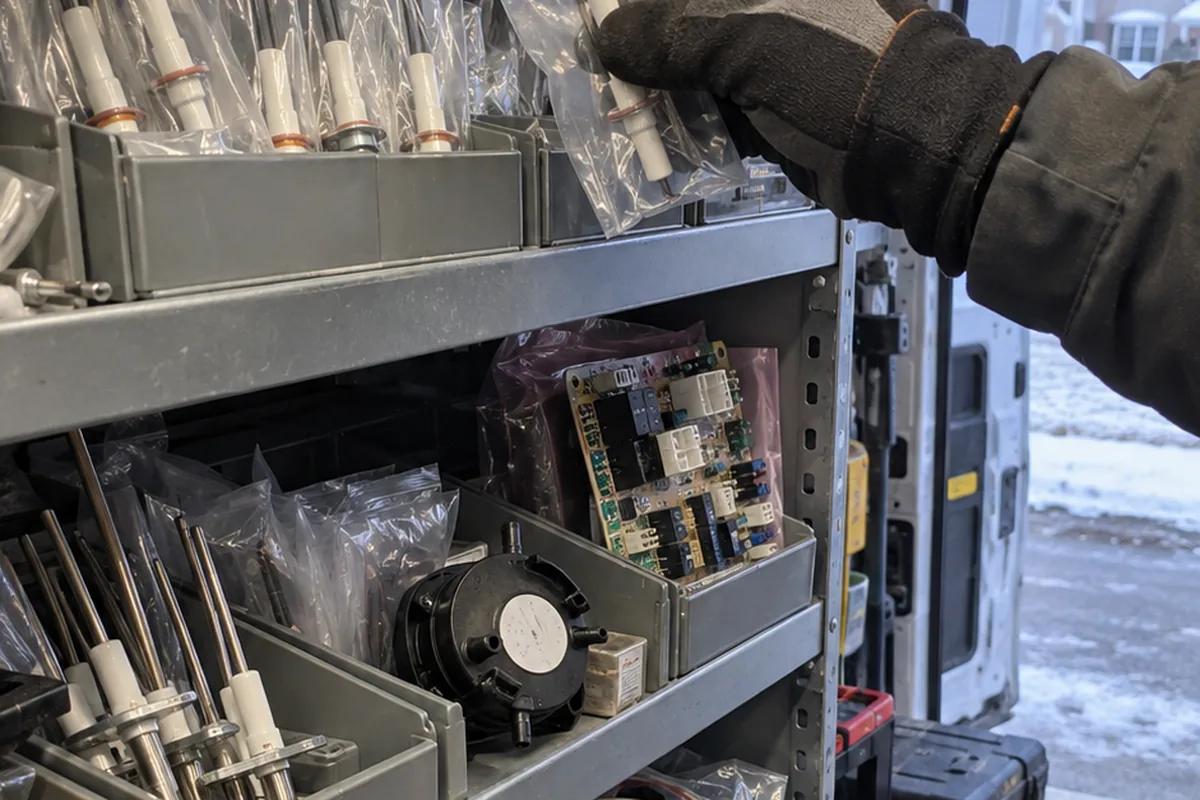
For the shop, the call note should say “quits in seconds” rather than “shuts off.” Put sensor cleaning supplies, a replacement rod, and a meter for the sensor circuit on the truck when that is the likely lane. Your van stock plan for the first cold week should account for that pattern.
Minutes later with the blower running points to airflow
If the burners run for a few minutes, stop, and the blower keeps running to cool the heat exchanger, think overheating. The high limit switch may be opening.
The limit switch is a safety device doing its job. Never bypass or jumper it.
Recurring limit trips mean the technician needs to find the airflow cause.
The caller can replace the filter and check that supply registers and returns are open. Do not coach the caller to open the furnace or perform other checks.
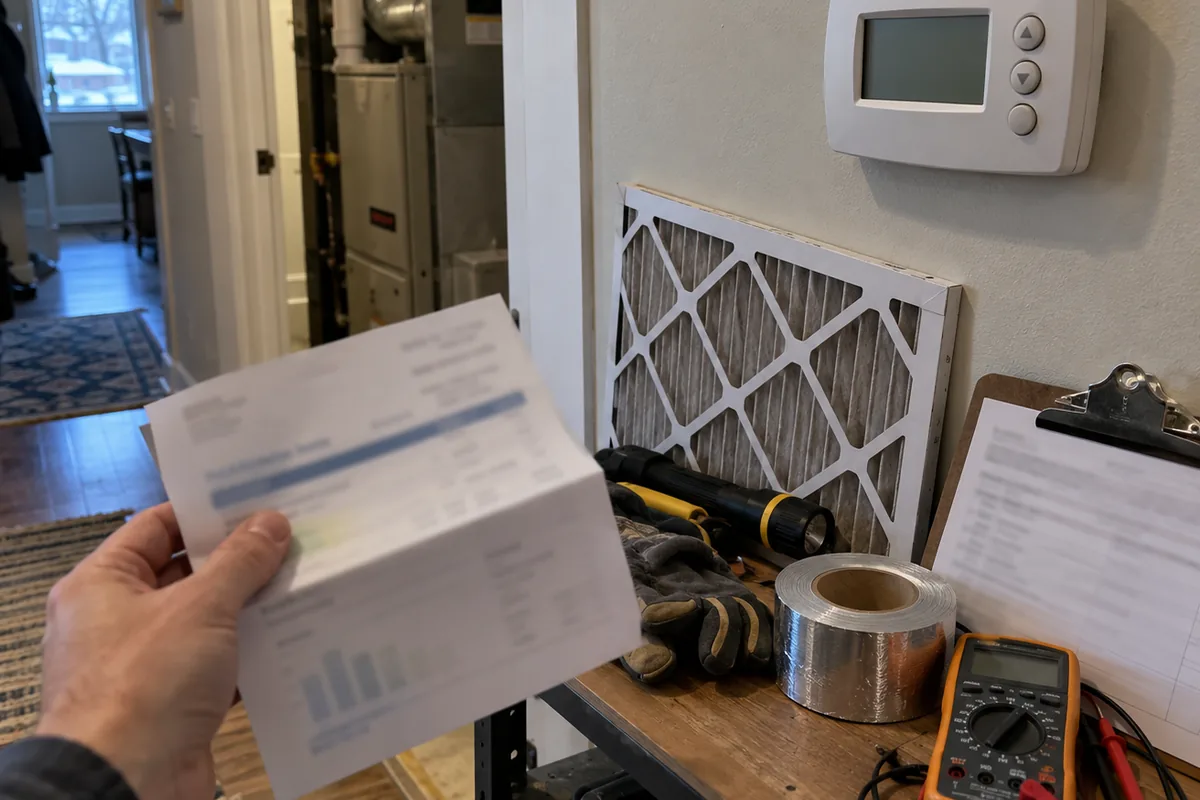
Ask when the filter was last changed. Ask whether the supply registers and return are open. Those answers belong in the dispatch note before the technician leaves the shop.
A furnace that never starts may be in the draft lane
A furnace can fail before ignition. The draft check happens first. Blocked vents or a failing draft inducer can trip the pressure switch.
To a caller, that can sound like the furnace is shutting off. Do not promise that a phone symptom separates a pressure switch problem from flame sensing. The technician sorts that out on site.
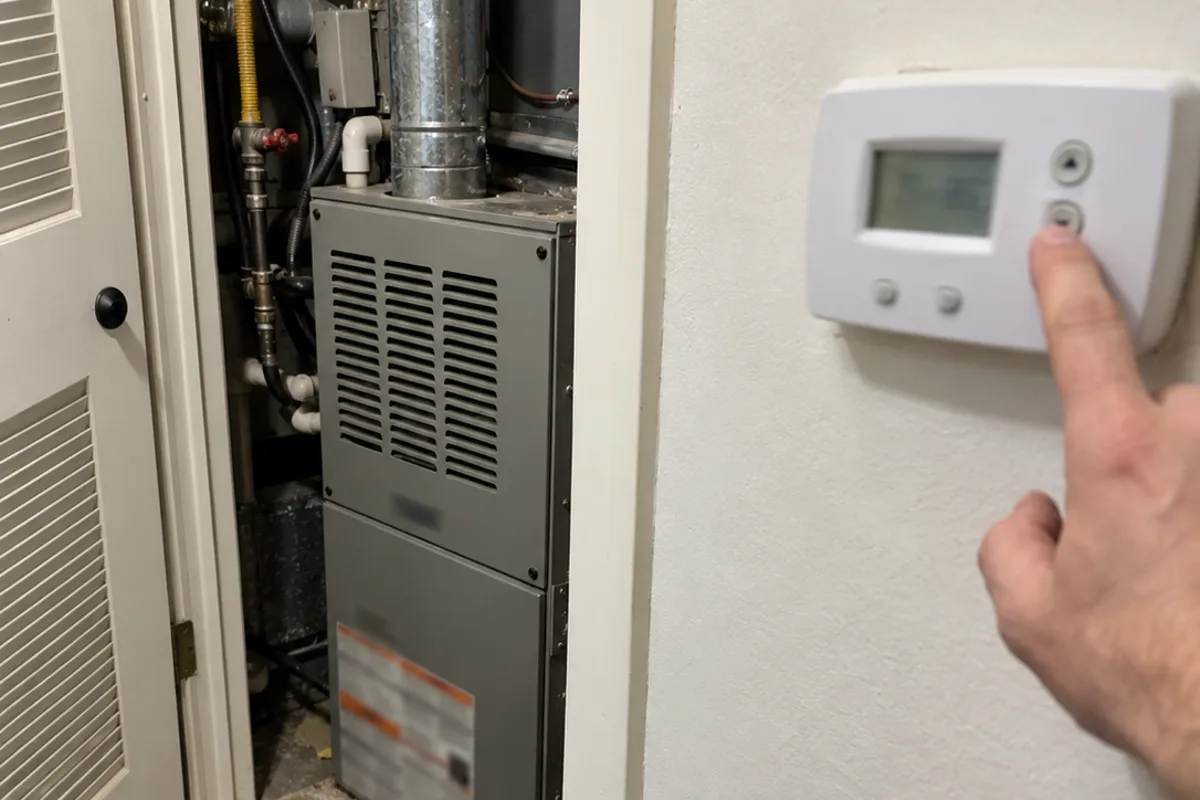
Ask whether the furnace will not start at all. Ask whether the caller hears inducer noises. Ask for any error code or blinking light count on the board window, and have the caller write it down. Do not read meaning into the code by phone.
The pressure switch or inducer lane needs on-site diagnosis. Stock and testing depend on what the technician finds.
| Report | Likely lane | What to put on the truck |
|---|---|---|
| Seconds, then out | Flame sensing is the first suspect | Sensor cleaning supplies, replacement rod, meter for the sensor circuit |
| Minutes, then out, blower running | Airflow and limit are likely | Filters, plus checks for duct and blower problems |
| Will not start at all or inducer noises | Pressure switch or inducer lane is possible | Technician diagnoses on site |
Safety symptoms end the triage call
Ask about gas smell, a carbon monoxide alarm, and whether anyone feels unwell.
A rotten-egg gas odor, a sounding CO alarm, or an unwell household member is not a routine booking. Tell everyone to leave and call the gas utility or 911 from outside.
Do not have the caller open the furnace. Do not turn a safety report into a parts discussion.
If the caller reports only a furnace symptom and no emergency warning, the dispatcher can continue with timing, blower behavior, filter history, open registers and returns, and the board light count.
Put the diagnostic fee on the phone
State the diagnostic fee on the phone, not at the door.
The same call note should carry the furnace timing and blower answer. “Quits in seconds, blower stops” tells the technician to start in the flame-sensing lane. “Quits after minutes, blower keeps running” points toward airflow and the limit circuit.
That detail helps the dispatcher pick the truck with the right stock and set the diagnostic expectation before arrival. It can prevent a second trip when the first visit lacks the part.
Dial 72 answers 24/7, asks the timing and blower questions on the call, and texts the owner or on-call technician a call summary with the answers. If the caller reports a gas smell or CO alarm, Dial 72 escalates it as an emergency instead of booking a visit.
Change the first-call script now. Ask when the burner quits, ask what the blower does, record the filter and register answers, write down the board light count, and escalate gas, CO, or illness immediately.