TL;DR: AHRI reported that combined central air conditioner and air-source heat pump shipments were up 11.4% in August 2026 compared with August 2025, but about 22% below August 2024. Through August, combined shipments were up 6.2% from 2025 and about 5% below 2024, so your own replacement-call count is the better measure of local demand.
AHRI reported growth against 2025, but August remains below 2024
AHRI reported 756,739 combined central air conditioner and air-source heat pump shipments in August 2026. That was up 11.4% from the 679,378 units AHRI reported for August 2025.
The older comparison changes the headline. AHRI reported 975,841 combined shipments for August 2024. August 2026 was about 22% below that total.
The year-to-date numbers tell the same story with less movement. According to AHRI’s August 2026 release, combined shipments through August reached 6,390,257 units. That was up 6.2% from 6,019,962 during the same period in 2025, but about 5% below the 6,735,792 units reported for the same period in 2024.
Both statements are true. Shipments rose from 2025. They remain below 2024.
AHRI reported 418,323 central air conditioner shipments in August 2026, up 17.2% from 356,930 in August 2025. August 2024 had 571,153 central air conditioner shipments.
For air-source heat pumps, AHRI reported 338,416 August 2026 shipments. That was up 5.0% from 322,448 in August 2025 and below the 404,688 reported for August 2024.
The year-to-date split is different. AHRI reported 3,481,613 air conditioner shipments through August 2026, up 6.5% from 3,268,714 in 2025 and about 11% below the 3,903,730 reported in 2024.
AHRI reported 2,908,644 heat pump shipments through August 2026. That was up 5.7% from 2,751,248 in 2025 and about 3% above the 2,832,062 reported in 2024. Heat pumps are the only one of the two categories ahead of both prior years.
A shipment can fill a distributor warehouse without becoming an installation
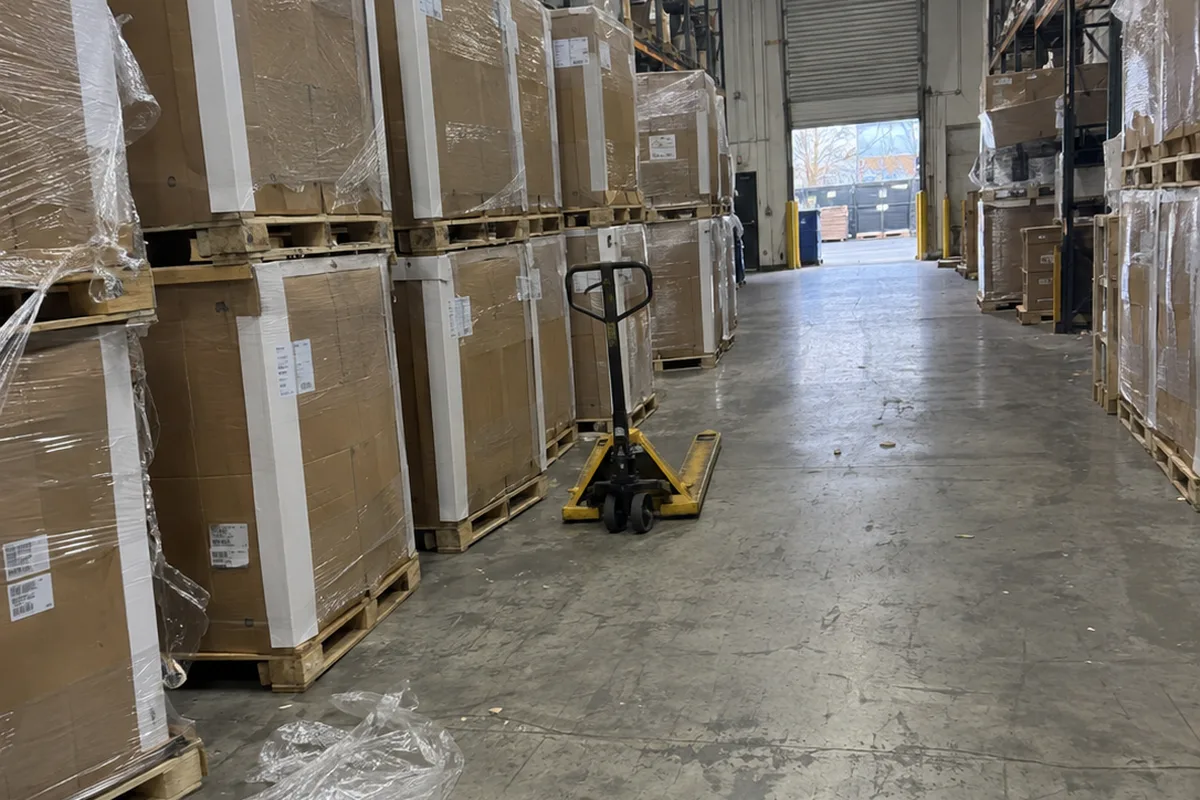
AHRI counts a shipment when ownership of the unit transfers. A consignment is not a transfer of ownership. That means a distributor stocking equipment counts as a shipment, even though no homeowner has an installed system.
This matters when you compare a supply house conversation with your own phone. A pattern shows up whenever an owner lines up a replacement-call count against a national headline: the national number says up, while the owner’s count for the same month is flat or down. Sometimes the reverse happens.
The typical moment comes in October. An owner hears “shipments are up double digits” at the supply house counter and wonders why the phone was quieter than last August. That is not a contradiction. The national figure combines every region’s weather and includes distributor stocking. It does not count completed homeowner installations.
Equipment price increases landed in October, and old replacement quotes can make that timing matter for your sales process. Review those older quotes separately instead of treating a shipment increase as proof that every local replacement lead is ready to buy. The October price letters and old quotes article covers that problem directly.
Heat pumps made up about 45% of AHRI’s year-to-date combined shipments
AHRI’s reported year-to-date figures put heat pumps at about 45% of combined shipments, with 2,908,644 heat pumps out of 6,390,257 total units.
That number has a phone consequence. More heat pump equipment moving through the market can mean more heat pump systems in the field, and more questions when the first cold weather arrives. A homeowner may call about auxiliary heat, settings, or an outdoor unit that is operating differently than expected. Your team can use the heat pump auxiliary heat and lockout guide for one common question.
The size table adds one narrower point. AHRI counts units at 64,900 BTUH and below as residential. Through August, AHRI reported that the 22,000 to 26,900 BTUH bracket was up 11.5%, while the under 16,500 BTUH bracket was down 3.8%. That is equipment-size data, not a count of local replacement jobs.
AHRI does not publish a state number for your territory
AHRI’s release covers shipments to customers in the 50 states and DC, including domestic and imported equipment. It does not publish the totals by state or region.
So the national figure cannot tell you whether your territory had a strong month. It cannot tell you whether the phone should have rung more in your service area. Weather, distributor stocking, and local replacement activity can point in different directions.
Your own replacement inquiries are the local number AHRI cannot publish. Count them by month and compare each month with the same month last year. Do not replace that count with a national shipment percentage.
Dial 72 answers calls 24/7, texts you a call summary after each call, and flags replacement leads when a caller asks about replacing an aging system. Because every flagged replacement call arrives as its own text, you end up with a running record of replacement inquiries from your service area. That gives you a usable count without claiming that a shipment became an install. For more on handling those opportunities, see winning replacement leads.
The next AHRI release should cover September shipments
AHRI says its members account for more than 90% of the residential and commercial air conditioning and space heating equipment made and sold in North America. That makes the release useful national background. AHRI also says it “does not conduct any market forecasting and is not qualified to discuss market trends.”
AHRI publishes these reports around the second Friday of each month and covers shipments from two months earlier. Based on that schedule, AHRI’s September 2026 numbers are due around the second Friday of November 2026.
Read the national number as weather, not a plan. Count your own replacement calls, compare them with the same month last year, and use the September release when it lands in November. That is the number that tells you what is happening in your territory. If you also need a reality check on margins, compare the call count with what small HVAC companies actually earn.